A Technical Analysis of Amber-Tinted Flexible LED Filament Bulbs

Introduction to Sustainable Decorative Lighting
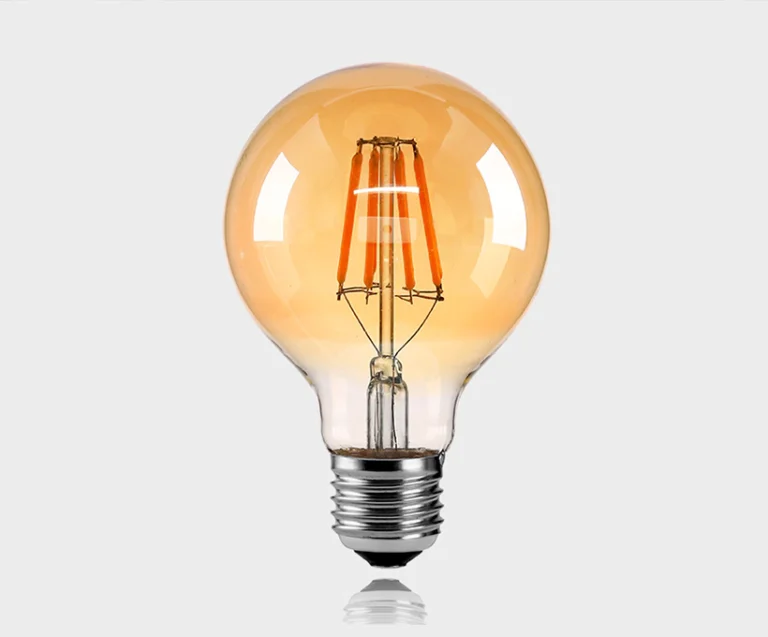
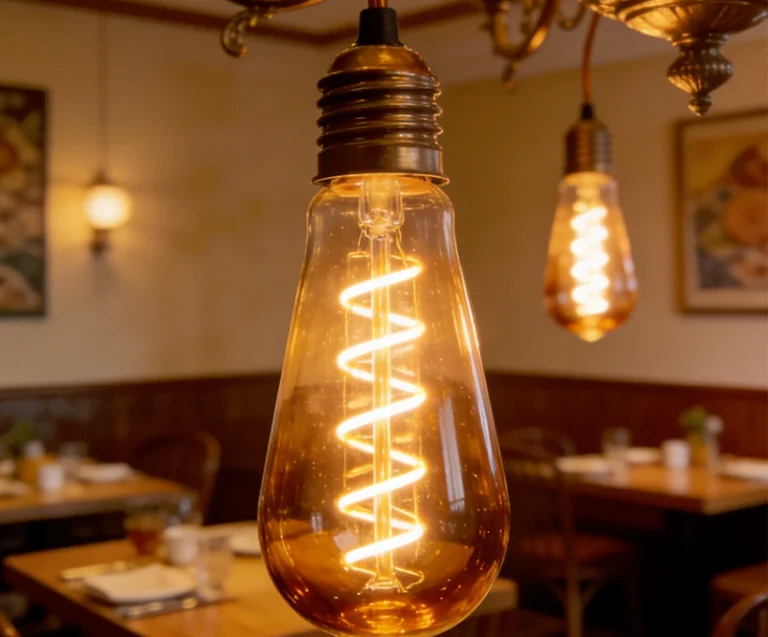
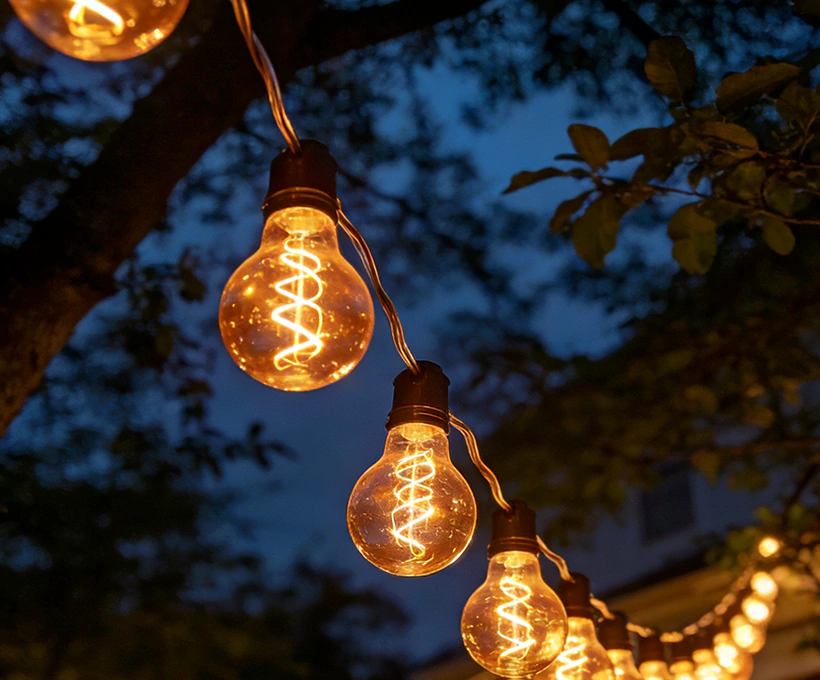
In the contemporary landscape of green energy and interior architecture, the Amber-Tinted Flexible LED Filament Bulb represents a critical intersection of vintage aestheticism and advanced solid-state lighting (SSL) technology. Unlike traditional rigid LED structures, the Flexible LED Filament utilizes a specialized polymer substrate that allows for intricate shapes—such as the heart, spiral, or loop—effectively replicating the visual warmth of early 20th-century tungsten lamps while adhering to modern efficiency standards.
1. Advanced Optical Performance and CCT Management
The primary appeal of the amber-tinted series lies in its sophisticated Color Correlated Temperature (CCT) management. By applying a specialized metallic oxide coating to the glass envelope, these bulbs achieve a nostalgic 2200K glow.
- 360° Omnidirectional Beam Angle: The vertical arrangement of the Flexible LED Filament ensures a uniform distribution of luminous flux, eliminating the “dark zones” common in standard SMD LED bulbs.
- High Color Rendering Index (CRI): Modern iterations maintain a CRI (Ra) of 80 or higher, ensuring that interior textures and colors remain vibrant under low-wattage conditions.
2. Energy Efficiency and Thermal Dissipation
From the perspective of a green energy expert, the transition from incandescent to LED Filament technology marks a significant reduction in carbon footprint.
- Wattage Conversion: A 4W LED Filament Bulb typically replaces a 40W traditional tungsten lamp, representing a 90% reduction in energy consumption.
- Thermal Management: Despite the “warm” appearance, these bulbs operate at significantly lower temperatures. The helium-rich gas filling within the glass shell acts as a high-conductivity thermal medium, extending the lifespan to over 20,000 hours.
3. Architectural Applications and Versatility
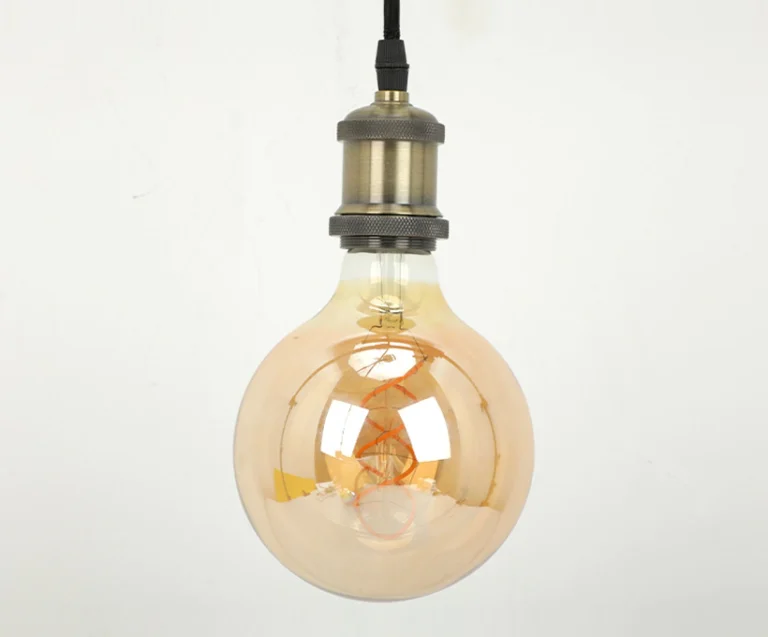
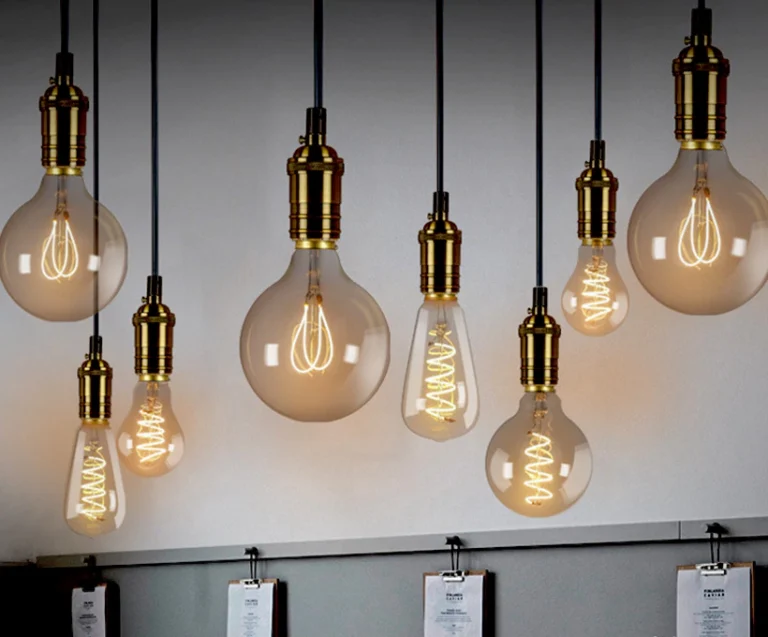
The Flexible LED Filament series is designed for diverse form factors, including the ST64 teardrop, G95/G125 globes, and C35 candle shapes.
- Hospitality and Residential Design: These bulbs are the preferred light source for high-end chandeliers, open-socket pendants, and European-style wall sconces where the bulb itself is a focal design element.
- Universal Compatibility: Available in E27 and E14 bases, they integrate seamlessly into global electrical infrastructures (220-240V), making them a versatile choice for international procurement.
Conclusion
The Amber-Tinted Flexible LED Filament Bulb is more than a decorative accessory; it is a testament to how far green energy technology has come. It allows designers to preserve the “soul” of classical lighting without compromising on environmental responsibility or operational longevity.
Maintenance & Safety FAQ
Q: Can these LED filament bulbs be used in enclosed fixtures?
A: While LED filaments generate significantly less heat than tungsten, they still require some airflow for optimal thermal dissipation. It is recommended to use them in open or well-ventilated fixtures to reach their full 20,000-hour lifespan.
Q: Why is the color temperature (CCT) of amber bulbs lower than standard LEDs?
A: Standard residential LEDs are often 3000K–4000K. Our Amber-Tinted series is specifically engineered at 2200K to replicate the “Golden Hour” glow of original Edison lamps, providing a superior psychological sense of warmth and comfort.
Q: Are these bulbs fragile compared to standard plastic LED bulbs?
A: Because they utilize a Premium Glass envelope to achieve 360° light transmission and vintage authenticity, they should be handled with the same care as traditional incandescent bulbs. However, the internal Flexible LED Filament is more resistant to vibration than fragile tungsten wires.
Q: Do these bulbs flicker?
A: Our professional-grade bulbs feature high-quality drivers with a Power Factor (PF) of 0.4–0.5, ensuring stable current and minimal stroboscopic effect, which protects eye health and enhances photography in commercial spaces.