Choosing Vintage LED Bulbs for Table Lamps
Learn how to select vintage LED bulbs for table lamps by balancing visual character, bulb shape, colour temperature, light distribution, and installation constraints.

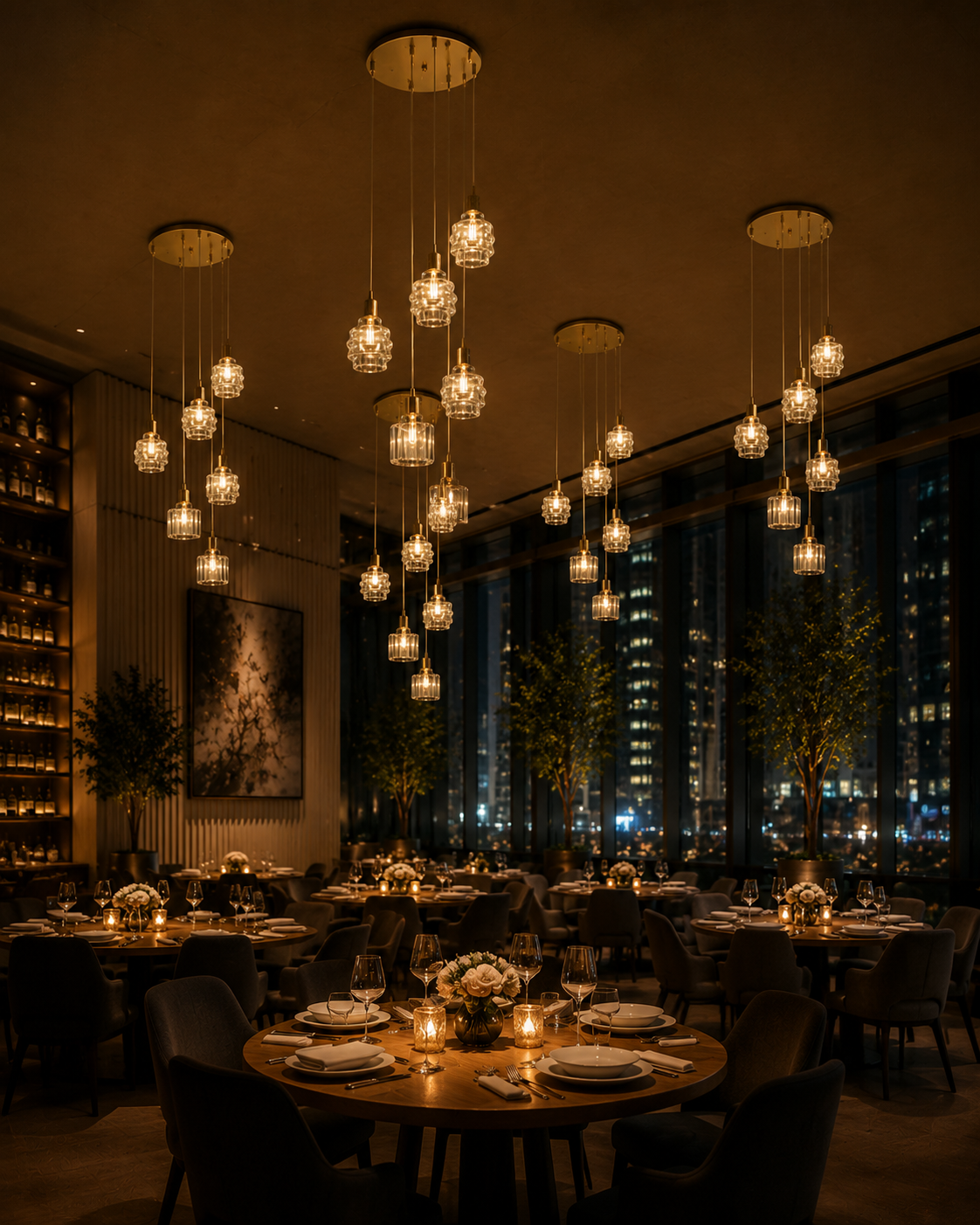
Vintage LED bulbs for table lamps are selected for more than illumination. In many interiors, the bulb is visible above a shade, inside a glass enclosure, or beside an open lamp base. Its form, filament appearance, glass finish, colour temperature, and distribution all influence the character of the fixture.
For buyers, distributors, installers, and informed consumers, the right choice begins with the visual goal rather than the bulb catalogue. A decorative bulb may be ideal for an exposed bedside lamp but unsuitable for a reading lamp that needs controlled, comfortable light. The following guide connects appearance with practical requirements so that product selection is easier to specify and repeat.
Start with the table lamp’s visual role
A table lamp usually serves one or more of three roles: atmosphere, task support, or visual balance. An ambient lamp can prioritise a warm glow and an attractive filament pattern. A desk or reading lamp requires better control of glare and useful light on the working surface. A lamp used in a reception, restaurant, or guestroom may need to support both decorative presentation and consistent operation.
Identify whether the bulb will be fully visible, partly concealed by a shade, or viewed through clear glass. When the bulb is exposed, the glass shape and filament arrangement become part of the product’s appearance. When it is covered, those details matter less than the light distribution, colour, base compatibility, and control system.
Match bulb form to the lamp design
Globe and round forms
Globe-shaped bulbs create a balanced, soft appearance and work well with compact bases, open-frame lamps, and small decorative shades. Their rounded profile can help fill a visible opening without making the fixture appear overly technical. Check the lamp’s internal clearance carefully, particularly where the shade narrows near the neck.
Edison and elongated forms
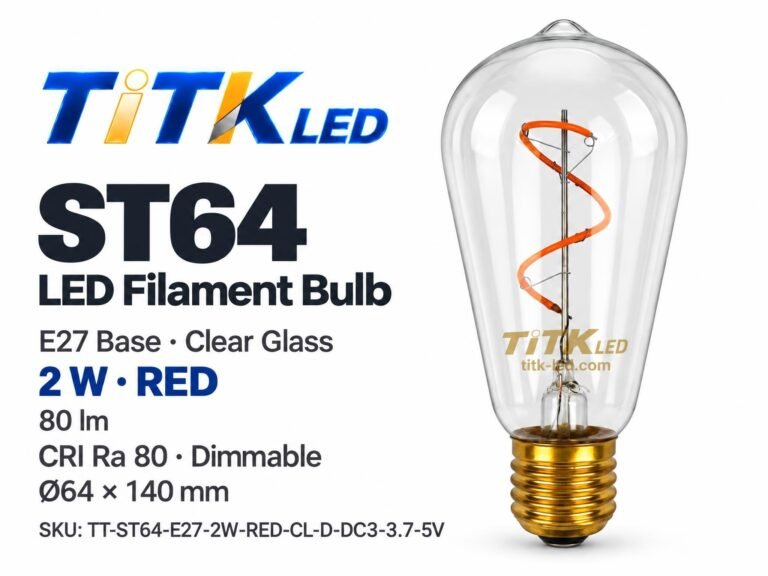
Elongated Edison-style bulbs emphasise the vertical line of a lamp and are often suitable for open holders or tall, narrow shades. The longer envelope can create a stronger decorative statement, but it may sit too close to a shade or extend beyond the intended silhouette. Compare the bulb’s complete length and maximum diameter with the fixture, not just the nominal bulb name.
TITK’s LED Edison bulb range can be reviewed when an elongated vintage profile is appropriate. Confirm the exact dimensions, base, voltage, dimming compatibility, and colour options with the supplier before ordering.
Standard pear and compact forms
Traditional pear-shaped bulbs are versatile where a table lamp must look familiar rather than highly theatrical. They can suit fabric shades and enclosed fittings, especially when the lamp’s form should remain the main visual feature. Compact forms may be preferable for smaller bedside lamps, narrow shades, or fixtures with limited headroom.
Choose colour temperature for the intended mood
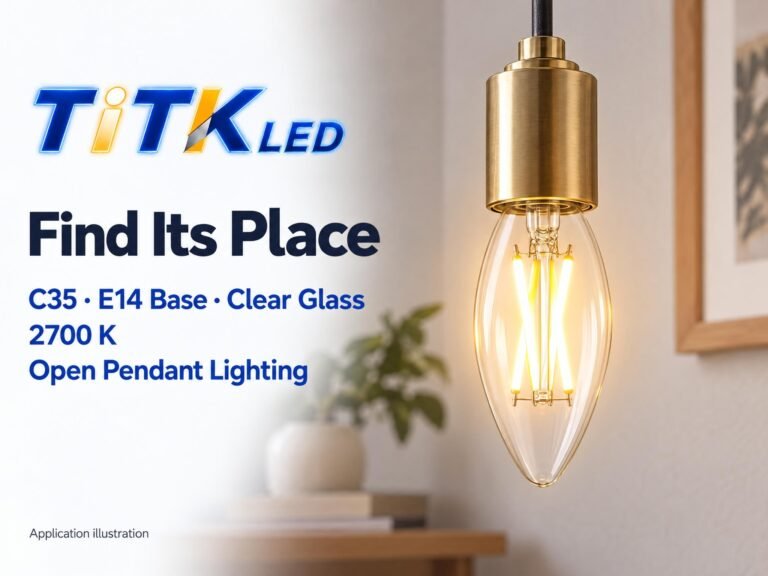
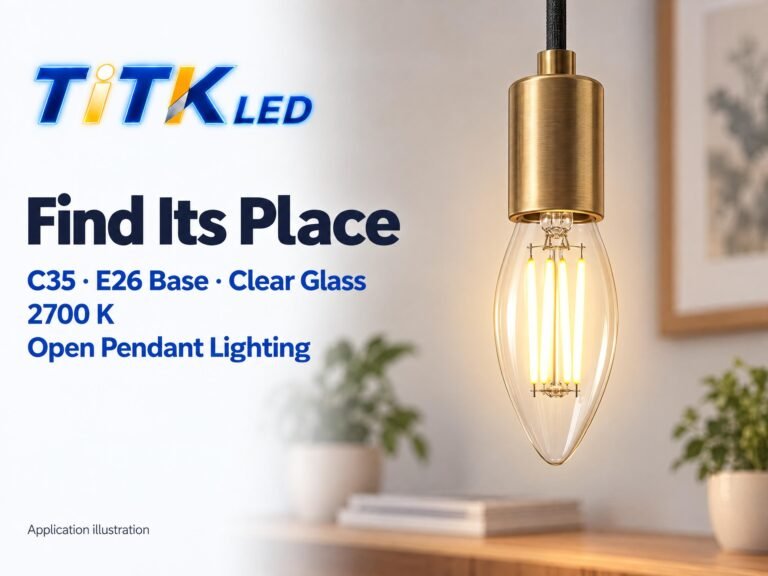
Colour temperature is one of the most visible decisions in decorative lighting. Very warm options around 2200K create an amber, candle-like atmosphere and can complement dark wood, brass, hospitality interiors, and relaxed residential settings. Warm white options around 2700K generally provide a softer everyday appearance while preserving a vintage feel.
Options near 3000K can appear cleaner and more neutral while remaining comfortable for many living spaces and commercial interiors. Higher colour temperatures may be useful where the lamp supports focused activity, but they can weaken the traditional vintage impression. They should therefore be selected for a clear functional reason rather than simply because they appear brighter or whiter.
Colour temperature should be consistent across lamps that are viewed together. For a multi-room hospitality or retail installation, specify the same target appearance and ask the supplier how colour consistency is managed across the proposed batch. Also confirm whether the listed colour temperature applies to the complete bulb range or only to selected variants.
Consider filament appearance and glass finish
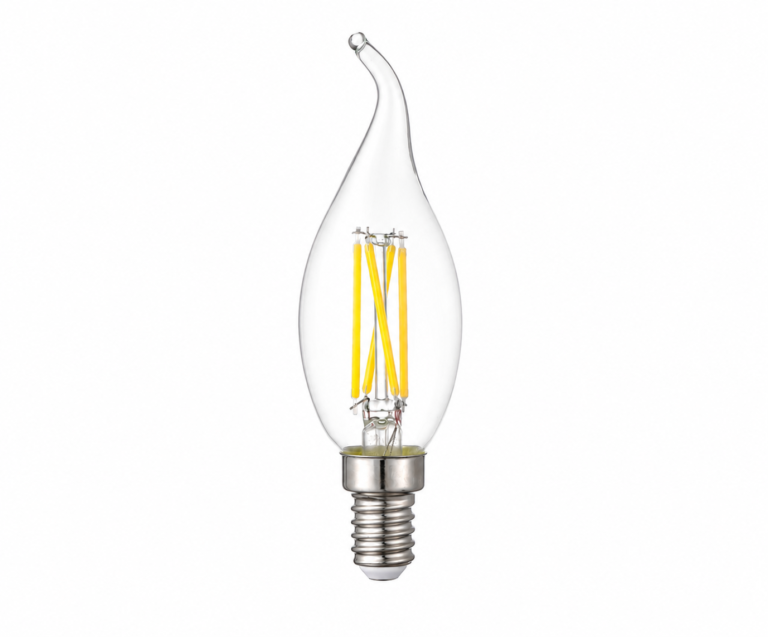
In an exposed table lamp, the filament layout is part of the visual language. Straight, vertical, spiral, and more intricate arrangements can produce different patterns when the bulb is switched off and different points of glow when it is on. A simple filament may suit minimalist interiors, while a more decorative pattern can reinforce a period or hospitality theme.
Clear glass shows the filament sharply and tends to create a more defined light source. Amber or smoked glass can soften the appearance and add colour to the lamp, but it may reduce the perceived brightness of the emitted light. A frosted finish can improve visual softness when the bulb is viewed directly, although it changes the classic exposed-filament effect.
For broader product selection, see TITK’s LED filament bulb category. Product images are useful for initial comparison, but buyers should request current technical sheets and, where appearance is critical, physical samples.
Evaluate distribution, glare, and shade interaction
Distribution determines where the light goes. A broadly emitting bulb can spread light around an open table lamp and create a more even glow. A more concentrated distribution may be useful for a reading position, but it can produce a bright hotspot or stronger contrast if the bulb is exposed.
Glare is especially important at bedside tables, desks, and eye-level reception furniture. If the viewer can see the LED filament directly, consider a lower-intensity decorative source, an amber or frosted finish, a deeper shade, or a lamp position outside the normal line of sight. Do not judge comfort only from the bulb’s appearance in a product photograph; evaluate the complete lamp and viewing angle.
A shade changes the result substantially. Opaque shades direct light downward or upward and conceal the bulb, while translucent shades allow the bulb’s character and glow to remain visible. For a shaded lamp, check whether the bulb’s shape leaves an unwanted outline or sits too close to the fabric or diffuser.
Check electrical and installation constraints
- Base: Match the screw or bayonet base used by the lamp and confirm that the holder is in good condition.
- Voltage: Select a bulb suitable for the installation’s supply voltage. International projects may require different versions for different markets.
- Dimming: If dimming is required, confirm compatibility between the bulb, dimmer, wiring, and control system. “Dimmable” should not be assumed from the decorative appearance alone.
- Enclosure: Check whether the bulb is approved for enclosed or restricted fixtures. Heat management can affect service performance and safety.
- Clearance: Measure the bulb’s diameter and length, including the base and any decorative tip, before finalising the specification.
- Operating environment: Confirm suitability for the installation location, especially where lamps may be exposed to moisture, dust, frequent switching, or extended operating periods.
For projects requiring brightness adjustment, review dimmable LED bulbs and confirm the complete control-system requirements with the supplier.
Two Practical Checks Before Approval
The bulb does not fit or sits incorrectly
Switch off and unplug the lamp before inspection. Confirm the socket marking, then compare the bulb drawing and dimensions with the available height, width, neck clearance, shade, harp, and diffuser.
Never force a bulb into the holder. If the holder is loose, damaged, or misaligned, have it repaired by a qualified person before testing another bulb.
The lamp looks attractive but provides too little usable light
Assess the lamp from the user’s normal position with the final shade installed. Define whether the lamp is intended for ambience, reading, display, or a combination of these uses.
Review the current datasheet for light output and distribution, and check how the shade absorbs or redirects the light. Test a sample in the actual lamp. Where functional light is required, select the output, distribution, and glare control for that task instead of choosing only by bulb shape or glass tint.
A practical selection matrix
| Application | Useful visual direction | Key checks |
|---|---|---|
| Exposed bedside lamp | Warm colour, attractive filament, controlled glare | Direct-view comfort, base, switching frequency, clearance |
| Reading or desk lamp | Comfortable warm or neutral white light with useful distribution | Shade geometry, working-surface illumination, dimming, glare |
| Reception or lounge table lamp | Consistent decorative appearance across several fixtures | Colour consistency, batch availability, dimensions, maintenance access |
| Open decorative lamp | Distinctive bulb shape and clear glass presentation | Full silhouette, filament pattern, viewing angles, heat restrictions |
Plan procurement around repeatability
For B2B purchasing, record the complete specification rather than ordering by a style name alone. Include bulb shape, base, colour temperature, glass finish, dimming requirement, voltage, dimensions, distribution, and intended fixture type. Ask for product drawings, photometric information where relevant, packaging details, and samples before approving a larger quantity.
Distributors should also consider whether the chosen form is easy to explain and replace. A distinctive vintage bulb may sell well as a decorative item, but customers still need clear information about compatibility and use. Installers benefit from a consistent specification that reduces substitutions during fitting.
Final recommendation
The best vintage LED bulb for a table lamp is the one that supports the fixture’s visual purpose without creating installation or comfort problems. Start with the lamp’s role, then match the bulb form, colour temperature, glass, distribution, and control requirements. Before purchase, confirm the supplier’s latest dimensions, electrical data, dimming guidance, and application limitations for the exact variant. Explore TITK’s relevant decorative lighting categories and request a specification review when the project depends on a particular appearance or repeated supply.