Decorative LED Bulbs for Luxury Interiors: A Buyer’s Guide
A practical guide to selecting decorative LED bulbs for luxury residences, hospitality venues, retail spaces, and design-led commercial interiors.

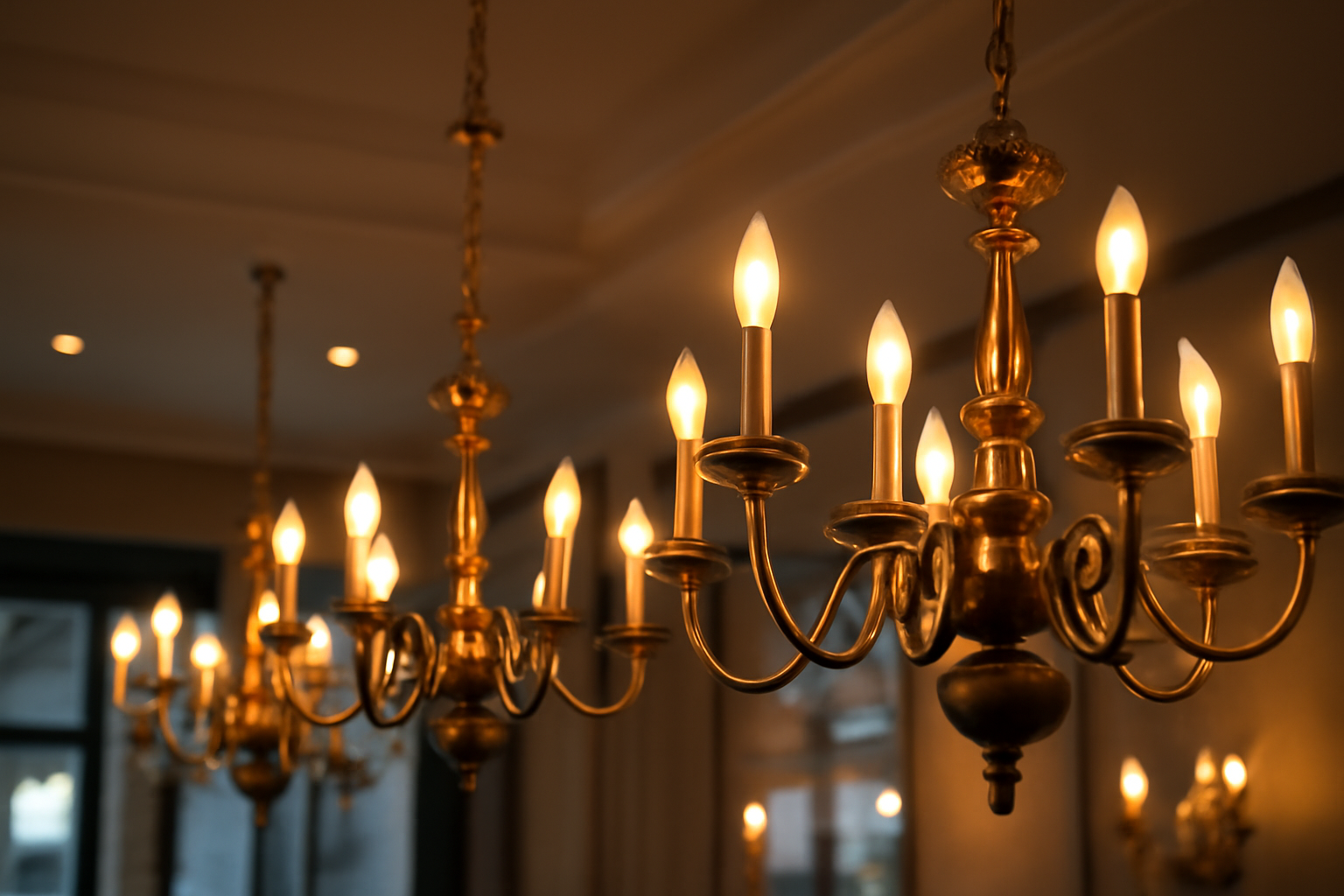
Luxury interiors depend on detail. A decorative bulb may be a small component of a chandelier, pendant, wall fitting, table lamp, or exposed-socket installation, yet it remains visible to guests and occupants. Its shape, filament appearance, glass finish, colour quality, and dimming behaviour can influence the character of the entire room.
For this reason, selecting decorative LED bulbs for luxury interiors is not simply a matter of choosing the lowest purchase price or the most visually unusual lamp. The decision should connect design intent with dependable technical performance, practical installation requirements, and a clear view of lifecycle cost. This guide outlines a transparent way for international buyers, distributors, installers, and informed consumers to evaluate the options.
Start with the visual role of the bulb
First decide whether the bulb is a visible design feature or mainly a concealed light source. An exposed bulb needs to look intentional when switched off as well as when illuminated. A shaded fitting places greater emphasis on the quality and distribution of the emitted light.
Match the bulb form to the fitting
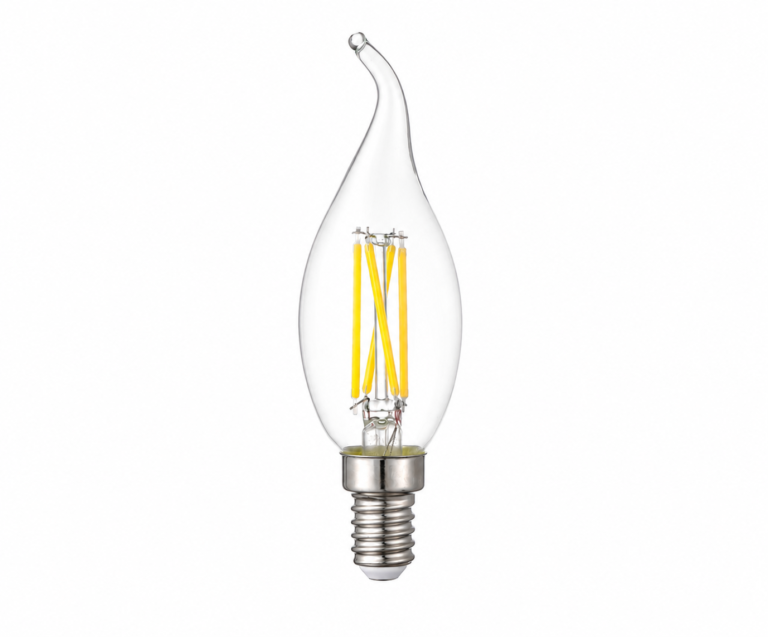
Globe, tubular, candle, Edison-style, and other decorative forms create different visual proportions. The bulb should sit comfortably within the fitting without appearing crowded or undersized. Check the overall length, diameter, base type, and clearance from surrounding materials before approval.
In a luxury project, consistency matters. A group of pendants may require the same glass shape and filament arrangement, while a feature installation may deliberately combine forms. Either approach should be documented in the lighting schedule so replacement products do not introduce unwanted variation.
Consider the appearance when switched off
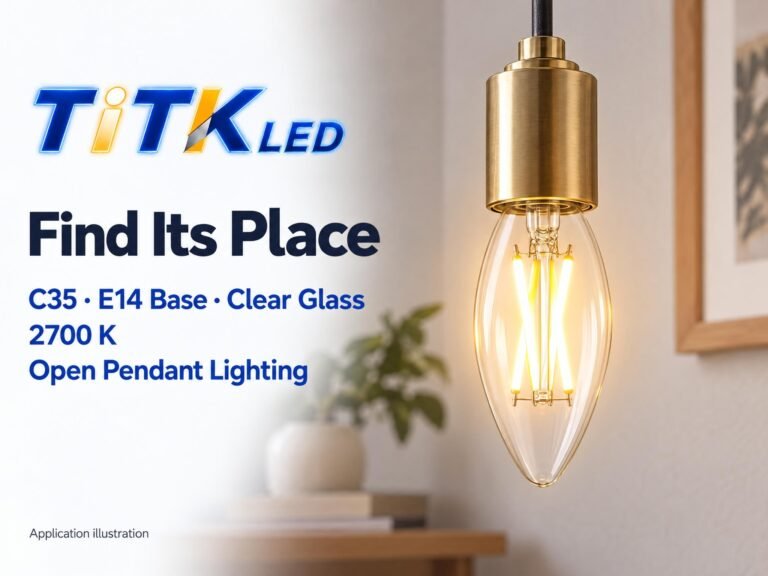
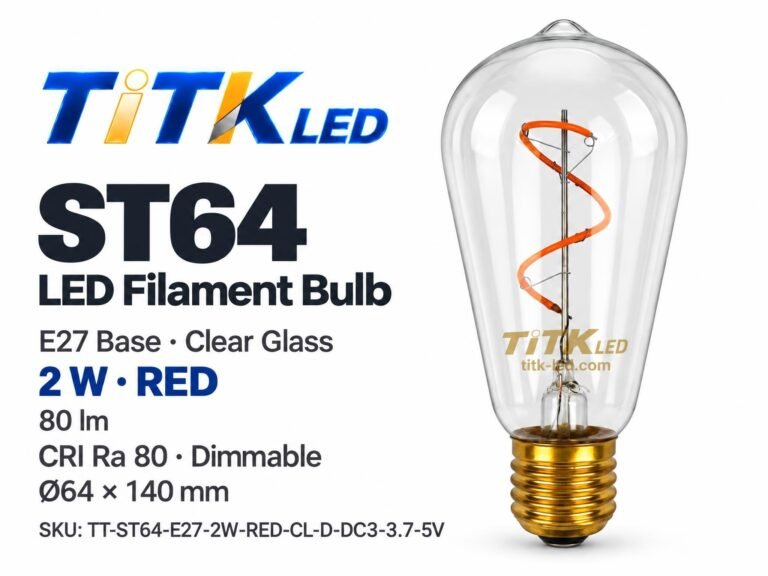
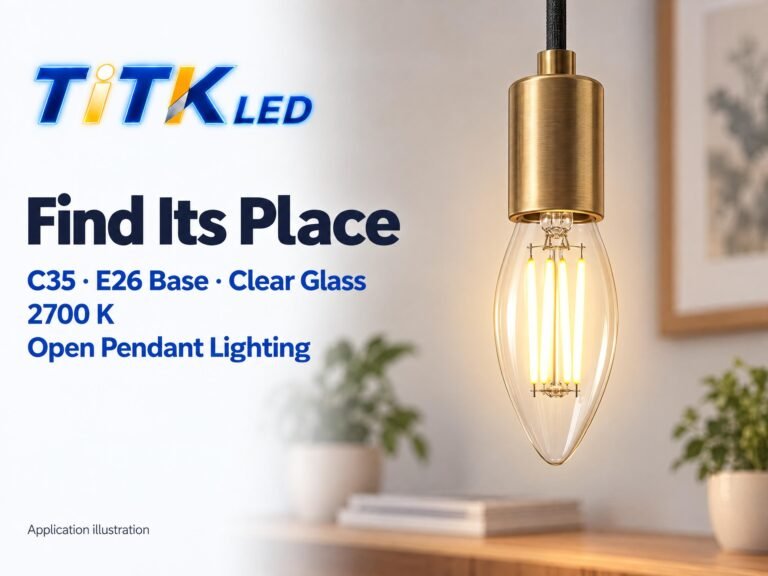
Clear glass displays the internal filament structure and often suits open fittings. Amber or tinted glass can create a softer, more intimate appearance, but it also changes the perceived brightness and colour of the light. Opal or diffused finishes may reduce visible detail while producing a gentler appearance.
Ask the supplier for product photographs and, where possible, physical samples. Images can make glass tone, filament colour, and surface reflections difficult to judge accurately. Sample approval is especially valuable when bulbs are installed at eye level or repeated across a large interior.
Evaluate light quality, not only appearance
A decorative bulb must support the atmosphere of the room without compromising the way surfaces, furnishings, artwork, food, or merchandise are seen. Review the stated colour temperature, colour rendering information, beam distribution, and luminous output in relation to the intended application.
Choose colour temperature by mood and material
Warm light is commonly associated with intimate restaurants, lounges, bedrooms, reception areas, and residential entertaining spaces. A less warm appearance may be more suitable where the interior uses pale finishes, task activity, or a contemporary visual language. The correct choice depends on the palette, materials, daylight conditions, and the desired emotional response.
Do not assess colour temperature in isolation. A bulb’s glass tint and filament design can alter its apparent warmth. Compare samples in the actual fitting and against representative wall, timber, fabric, and metal finishes before final procurement.
Check glare and viewing angles
Exposed decorative bulbs can produce glare when seen directly from seating, circulation routes, or reception desks. Consider the mounting height, viewing direction, and whether the fitting provides any shielding. A visually attractive filament does not automatically mean the installation will be comfortable to view.
For repeated installations, review the spread of light across the room rather than judging one bulb in isolation. Decorative products often work best as part of a layered scheme that includes general, accent, and task lighting.
Make energy efficiency a design-compatible decision
LED technology can support lower operating energy than older lamp technologies, but an efficient choice is not defined by wattage alone. The useful question is whether the selected bulb provides suitable light for the application while avoiding unnecessary operating demand and premature replacement.
Compare the supplier’s declared power, light output, rated life, operating conditions, and control compatibility. These details should be reviewed together. A bulb with modest power consumption may be unsuitable if it does not provide enough light, while a visually impressive product may create avoidable lifecycle cost if it is frequently replaced because of poor compatibility or difficult access.
Also consider how the interior will be used. A decorative bulb that operates for long periods in a hospitality or retail setting should be assessed more carefully for heat management, reliability information, and replacement access than one used occasionally in a private residence. Request the applicable technical documentation rather than relying on general product descriptions.
Assess dimming and control compatibility
Dimming is often important in luxury interiors because scenes change throughout the day. Dining, reception, retail display, evening entertainment, and housekeeping may each require different light levels. However, a bulb should not be described as dimmable merely because a dimmer is present in the project.
Confirm that the bulb is compatible with the specific control equipment, driver arrangement, voltage environment, and number of lamps on the circuit. Ask about minimum load, flicker behaviour, start-up performance, audible noise, and the expected dimming range. The supplier should confirm the relevant combination of bulb and control rather than offering a general assurance.
Where dimming is not required, a simple compatible circuit may reduce commissioning complexity. Where scene control is central to the design, approve the bulb and control system together through a representative installation test.
Explore suitable dimmable LED bulbs when the project depends on adjustable ambience, but verify the complete control setup before placing a bulk order.
Use lifecycle cost reasoning
The purchase price is only one part of the financial decision. A transparent lifecycle review considers:
- Acquisition: product price, packaging, shipping, import requirements, and spare stock.
- Operation: electrical consumption, expected operating hours, and the way the lighting schedule is controlled.
- Maintenance: access equipment, labour, disruption to guests or occupants, and the availability of matching replacements.
- Replacement: declared service information, environmental conditions, compatibility, and the cost of removing and installing the bulb.
- Design continuity: the risk that a future replacement will differ in colour, glass finish, shape, or filament appearance.
These factors do not produce the same answer for every project. A higher-priced bulb may be reasonable where access is difficult and visual consistency is critical. A simpler option may be more appropriate for easily serviced fittings or lower-use areas. Record the assumptions so the buyer, designer, installer, and supplier are evaluating the same priorities.
Review installation and procurement details
Before ordering, confirm the base, input requirements, physical dimensions, operating position, ambient conditions, and packaging expectations. Check whether the bulb is intended for enclosed or open fixtures and whether the fitting allows adequate ventilation. Do not assume that a decorative appearance indicates suitability for every location.
For distributors and project buyers, request consistent product identification, carton labelling, technical sheets, and replacement references. If the project uses several bulb shapes, organise them by location and circuit. This reduces substitution errors during installation and future maintenance.
For installations involving many exposed lamps, consider reviewing the supplier’s decorative lighting range as a coordinated group rather than selecting each bulb independently. Product availability and specifications should be confirmed directly with the supplier.
Build a practical approval process
- Define the visual objective for each room or fitting.
- Shortlist bulb forms, glass finishes, colour temperatures, and control requirements.
- Compare declared technical information and lifecycle considerations.
- Approve samples under realistic mounting and viewing conditions.
- Test dimming and circuit compatibility where relevant.
- Document the approved reference and replacement requirements.
Buyers seeking distinctive shapes can also review decorative LED bulbs and confirm which models meet the project’s electrical, visual, and procurement requirements.
A balanced specification delivers better results
The strongest decorative lighting decisions balance appearance with measurable suitability. Select bulbs that reinforce the interior concept, provide comfortable and appropriate light, work with the control system, and make sense over the expected service period.
TITK buyers should confirm current specifications, compatibility information, availability, and application limitations with the supplier before approval. A disciplined sample-and-document process helps luxury interiors retain their intended character while keeping energy use, maintenance, and replacement decisions transparent.