Best Edison Bulbs for Restaurants: A Sourcing Guide
A practical guide to selecting and sourcing Edison-style LED bulbs for restaurants, covering specifications, samples, quality checks, packaging, and documentation.

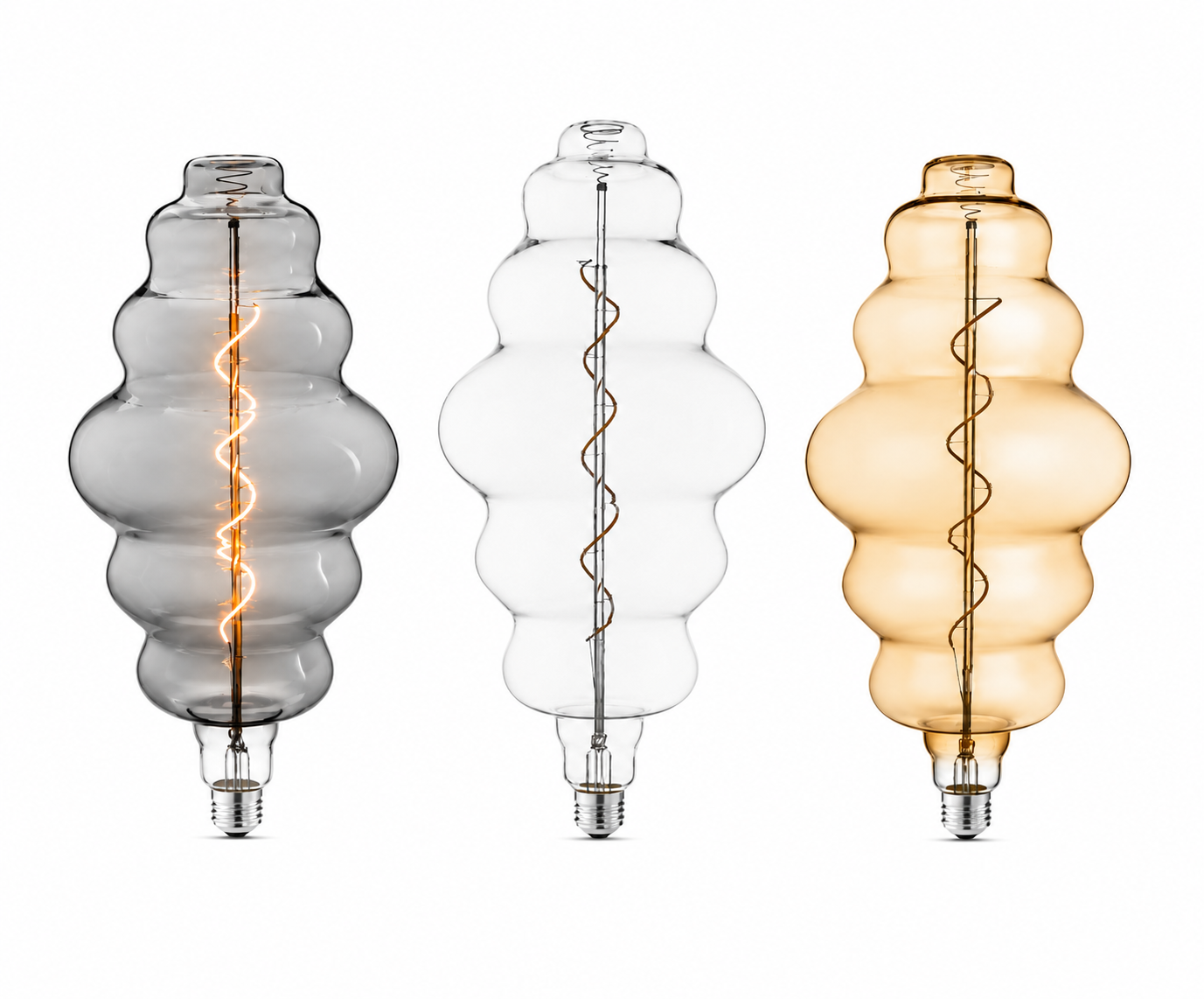
Restaurant lighting has to support more than visual atmosphere. It must fit the intended fixtures, work with the site’s electrical system, complement food and interior finishes, and remain practical for installation and replacement. Edison-style LED bulbs are often considered for exposed pendants, wall lights, chandeliers, bar fittings, and decorative ceiling arrangements because their visible filament-inspired design can form part of the fixture’s appearance.
However, the best Edison bulbs for restaurants are not selected by shape alone. For OEM, wholesale, and project purchases, buyers need a clear specification brief, representative samples, documented quality checks, suitable packaging, and reliable supplier communication. The following process can help international buyers reduce avoidable mismatches before placing a larger order.
Start with the restaurant lighting application
Begin by separating the project into lighting zones. A dining area may require a softer decorative effect, while a bar, reception point, corridor, or washroom may have different visual and practical requirements. Exposed bulbs are viewed directly, so appearance, glare, glass shape, filament arrangement, and surface finish may matter as much as basic electrical performance.
List the fixture type and installation conditions for each zone. Record whether the bulb will be used in an open fitting, a partially enclosed shade, a pendant, or a wall-mounted fixture. Also confirm the available socket, supply voltage, frequency, control system, and space around the lamp. If the bulb will be installed outdoors or in a damp location, ask the supplier and project engineer to confirm whether the proposed product is suitable; do not assume decorative construction provides environmental protection.
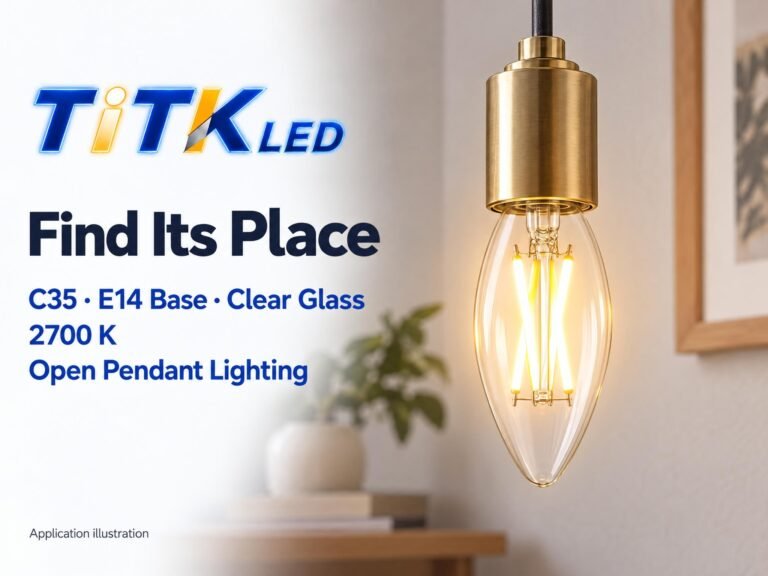
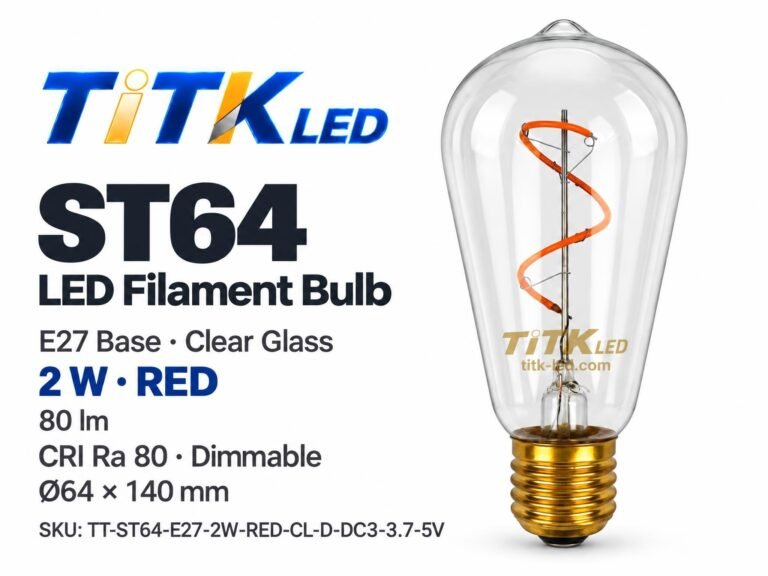
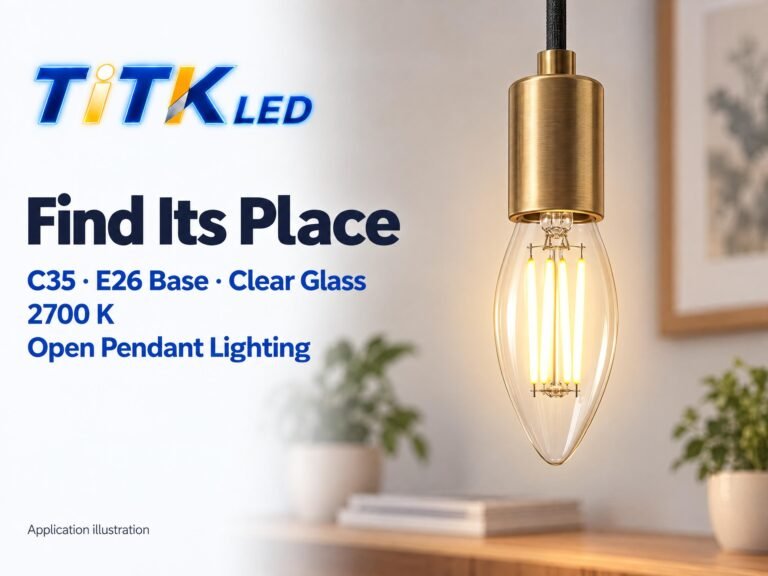
For an initial product review, buyers can compare options in the LED Edison bulbs category and then request exact technical information for the chosen models.
Align the specification before requesting a quotation
A quotation is only useful when every supplier is pricing against the same requirements. Prepare a specification sheet that distinguishes mandatory requirements from preferred features.
Essential electrical and physical details
- Base type: Confirm the socket standard required by the fixture and destination market.
- Rated voltage and frequency: Match the bulb to the project’s electrical supply and ask whether regional variants are needed.
- Power and brightness: Specify the desired power rating and target light output, using the supplier’s stated measurement method for comparison.
- Color temperature: State the preferred appearance, such as warm or neutral white, rather than relying on descriptions like “restaurant color.”
- Color rendering: Request the stated color-rendering information when food presentation, table settings, artwork, or interior materials are important.
- Bulb dimensions: Check diameter, overall length, and neck or globe proportions against the fixture and shade.
- Dimming: If dimming is required, identify the control type and request compatibility information. A bulb described as dimmable should still be tested with the actual dimmer used on site.
- Operating position and temperature: Ask for installation limitations, especially for enclosed fittings or locations near heat sources.
Shape and finish should also be specified clearly. “Edison bulb” may refer to several forms, including elongated tubular styles, globe shapes, or other decorative designs. State the preferred glass tint, filament appearance, cap finish, and whether the bulb will be visible from multiple angles.
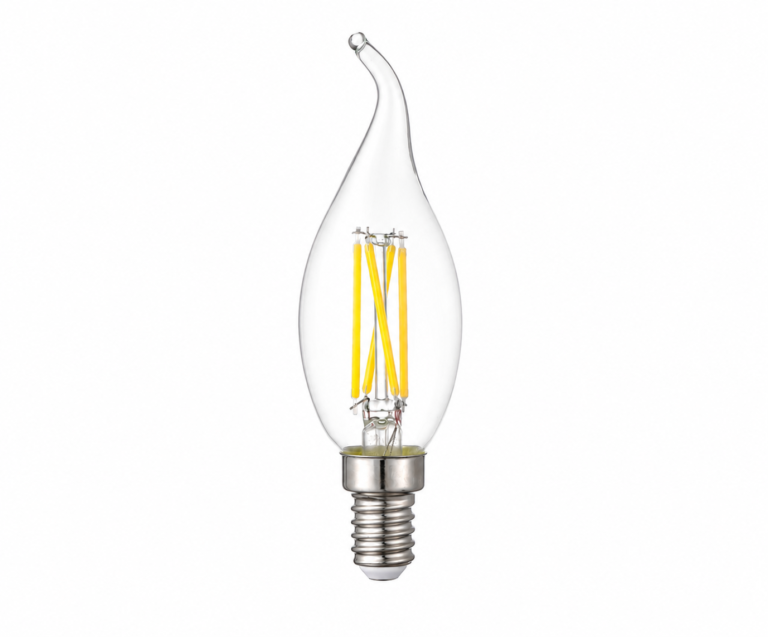
For broader design comparisons, the LED filament bulbs range may help buyers review related forms before narrowing the purchase brief.
Use samples to verify the complete lighting result
Samples should be evaluated as installed products, not only as loose items on a desk. Request samples from the intended production specification, including the same base, glass treatment, driver configuration, and packaging format where possible. If the project has several lighting zones, test the bulb in representative fixtures and view it from normal customer and staff positions.
Review the visual result under the restaurant’s interior finishes. Check whether the glass tint changes the perceived color of walls, timber, metal, menus, or table surfaces. Observe direct glare, filament balance, shadows, start-up behavior, and the appearance of multiple bulbs together. If dimming is planned, test the complete bulb-and-control combination through its working range and note any visible instability or unwanted changes in appearance.
Keep an approved sample, photographs, and a signed specification record as the reference for production. If the order is repeated, the reference should identify the model, revision, date, and any agreed tolerance. This gives the buyer a practical basis for discussing deviations with the supplier.
Troubleshoot Common Installation Issues Before Reordering
Symptom 1: The bulb flickers or behaves unpredictably
Likely causes
- The bulb is not compatible with the dimmer type.
- The fixture wiring or socket connection is loose.
- The bulb requires a different voltage configuration than the one supplied.
- The bulb is being used in a circuit that was not designed for that model.
Checks
- Confirm the bulb base matches the socket, such as E26, E27, E14, or B22, depending on the project.
- Test the bulb on a known suitable circuit or with a compatible dimmer.
- Have a qualified electrician inspect the socket and wiring for looseness or heat damage.
- Check whether the bulb is a mains-voltage product or a low-voltage design before connecting power.
Corrective actions
Use a compatible dimmer and have any loose or damaged electrical connections corrected by a qualified electrician. Verify the exact product version before ordering more units. For projects needing adjustable light levels, use dimmable LED bulbs only when the specification confirms dimming support.
Symptom 2: The restaurant feels too warm, too cool, or visually inconsistent
Likely causes
- The selected color temperature does not match the room concept.
- Different batches or models were mixed across the same area.
- The bulb’s glass finish changes the perceived light appearance.
Checks
- Compare the specified color temperature with the actual atmosphere the restaurant wants to create.
- Confirm whether the project uses clear glass, amber tea glass, smoke grey glass, frosted glass, or milky glass, depending on model availability.
- Check for mixed products across tables, bar areas, and feature fixtures.
Corrective actions
Standardize the specification across visible zones. For many dining spaces, warm white lighting supports a more relaxed feel, while other areas may need a different balance. Always confirm the final color temperature before ordering. This matters even more in hospitality lighting projects where one visually inconsistent bulb can affect the whole room.
Build a quality-check plan for incoming goods
Quality control should be proportionate to the order and documented before shipment. A buyer, inspection company, or appointed local representative can use a checklist covering appearance, dimensions, markings, function, and packing condition.
Recommended checks
- Compare the product model and electrical markings with the approved specification.
- Inspect glass, coating, cap, filament appearance, and assembly for visible damage or inconsistent finishing.
- Measure sample dimensions when fixture fit is critical.
- Power a defined sample quantity using suitable equipment and confirm basic operation.
- Test dimming samples with the specified control equipment when dimming is part of the order.
- Check the quantity, labeling, carton count, and separation of different models or variants.
- Photograph nonconforming items and record the batch or carton reference for follow-up.
Do not treat a visual inspection as proof of every technical claim. Ask the supplier which checks are performed, what records can be supplied, and which product characteristics are subject to tolerance. Any required third-party testing or market compliance documentation should be agreed before production and confirmed for the exact model and destination.
Plan packaging for restaurant project logistics
Decorative bulbs can be vulnerable during international transport because glass, caps, and filament structures may be exposed to impact. Packaging requirements should therefore be discussed as part of the commercial specification, not left until dispatch.
Confirm the individual box design, internal protection, master-carton arrangement, carton markings, and palletization if used. Labels should distinguish model, base, voltage, color temperature, quantity, and any handling instructions required by the buyer. Ask for carton dimensions and gross weight so the distributor or installer can plan storage and delivery.
For private-label or OEM orders, approve artwork and language before mass production. Confirm whether the packaging includes the buyer’s brand, product description, electrical information, barcode, country-of-origin details, or recycling symbols. The supplier should clarify which markings are legally required in the destination market and which are optional commercial information.
Buyers comparing decorative options may also review decorative light bulbs while keeping the packaging and labeling requirements consistent across the shortlist.
Request complete documentation
Documentation should support purchasing, installation, inspection, and future replenishment. At minimum, request a current datasheet for the exact model being quoted. It should identify the electrical ratings, dimensions, light characteristics, operating conditions, dimming information where applicable, and product markings.
Depending on the market and project contract, buyers may also need declarations, test reports, material information, instructions, packaging specifications, or customs-related documents. Requirements differ by destination, application, and sales channel, so confirm them with the importer, consultant, authority, or compliance specialist. Do not accept a generic document when the model, revision, or electrical variant does not match the purchase.
Make supplier communication precise and traceable
Clear communication is especially important when several bulbs look similar but have different electrical or physical characteristics. Send one structured inquiry containing the application, required specifications, estimated quantity, destination, target delivery window, packaging needs, documentation requirements, and sample expectations.
Ask the supplier to identify exclusions and assumptions in the quotation. Clarify minimum order quantity, sample charges, lead time basis, production approval process, spare or replacement policy, and how changes will be communicated. For repeat orders, request confirmation that the approved specification remains unchanged before production starts.
Use a written approval process for samples, artwork, and final specifications. If a supplier proposes a substitute component, glass shape, driver, or packaging material, require a revised sample or written technical comparison before acceptance. This is more reliable than approving changes through informal messages.
A practical sourcing decision
The best Edison bulbs for restaurants are the ones that satisfy the design brief and remain compatible with the project’s electrical, installation, logistics, and documentation requirements. A warm decorative appearance may attract attention, but it should be evaluated alongside socket fit, brightness, color quality, dimming behavior, physical clearance, packaging protection, and repeat-order control.
For buyers sourcing through OEM or wholesale channels, the safest path is to standardize the specification, test representative samples in the real fixture, document the acceptance criteria, and keep communication tied to model references. Explore relevant dimmable LED bulbs when the restaurant design requires scene control, then confirm compatibility with the selected control system and supplier documentation. Contact TITK to discuss your restaurant bulb requirements and request specifications for suitable models.