Choosing Edison Bulbs for Restaurant Ambience and Control
A practical guide to selecting Edison-style LED bulbs for restaurants, covering light quality, dimming, compatibility, heat, maintenance, and procurement.

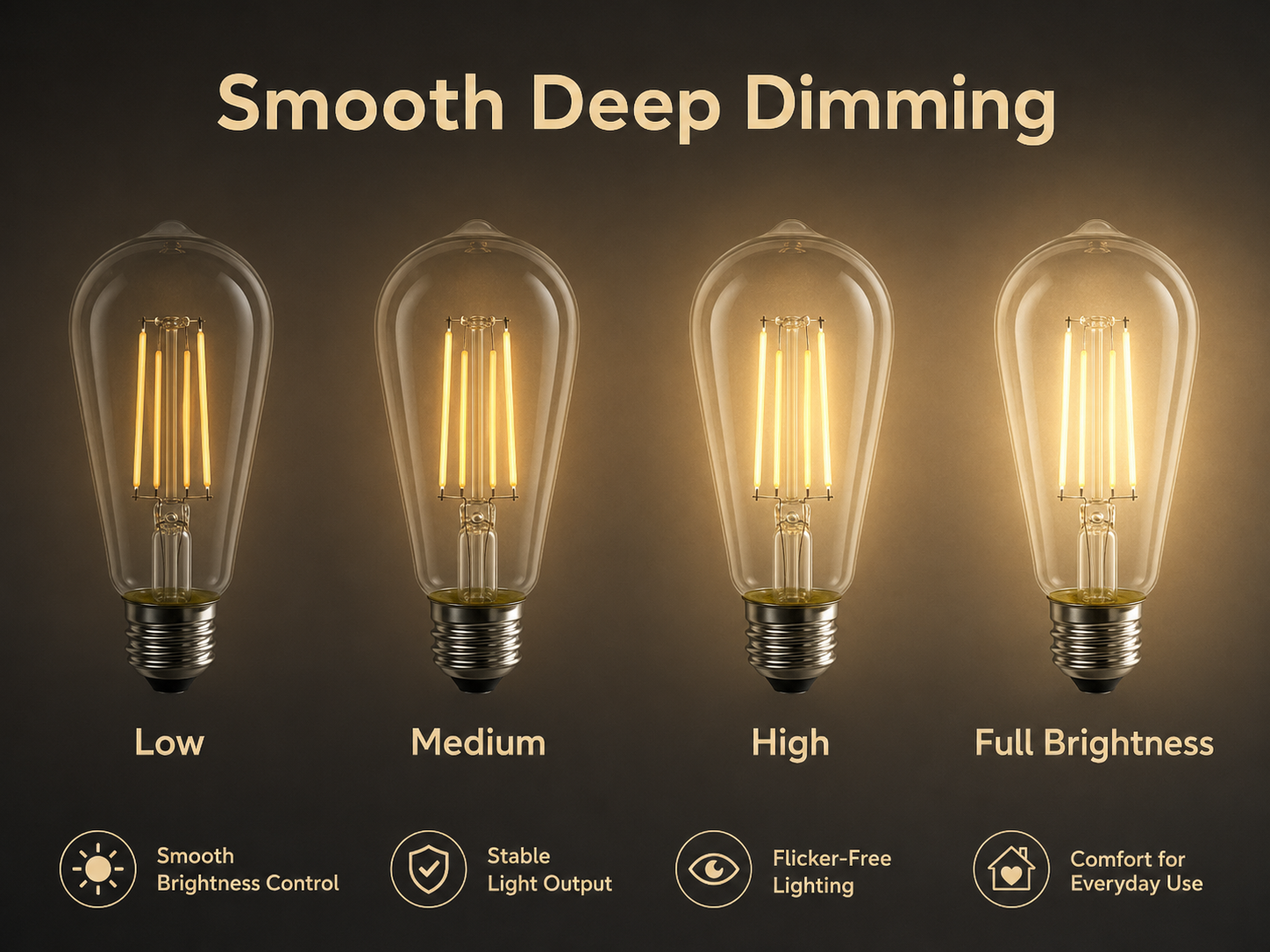
Restaurant lighting has to do more than make a decorative statement. It influences how guests perceive the interior, how comfortably they read menus, how food appears on the table, and how easily staff can maintain the installation. Edison-style LED bulbs are popular because their visible filament structure and warm appearance can add character to pendants, wall fixtures, chandeliers, and exposed sockets. However, the most attractive bulb is not automatically the most suitable choice for a commercial dining environment.
The right decision depends on a combination of visual design, electrical compatibility, operating conditions, procurement requirements, and replacement planning. This guide explains the main restaurant Edison bulb selection criteria for B2B buyers, distributors, installers, and project owners.
What should restaurant buyers evaluate first?
Begin with the lighting task rather than the bulb shape. A bulb used above a bar may have a different role from one installed beside a dining table or in an open kitchen. Edison-style lamps are generally selected for decorative and ambient applications, but they should not be expected to perform every lighting function in a restaurant.
- Ambient lighting: Choose a visually comfortable bulb that supports the intended atmosphere without creating excessive glare.
- Decorative focal points: Prioritize filament visibility, glass appearance, shape, and consistency between multiple fixtures.
- Task-supporting areas: Confirm that the selected light level and color quality are appropriate for menus, table settings, service counters, or display areas.
- Back-of-house or functional zones: Consider whether a conventional LED bulb or dedicated commercial luminaire would be more appropriate than a decorative Edison design.
This separation prevents a common specification error: using a decorative bulb as the sole source of light in an area that also needs clear visual performance.
Key restaurant Edison bulb selection criteria
1. Appearance and filament design
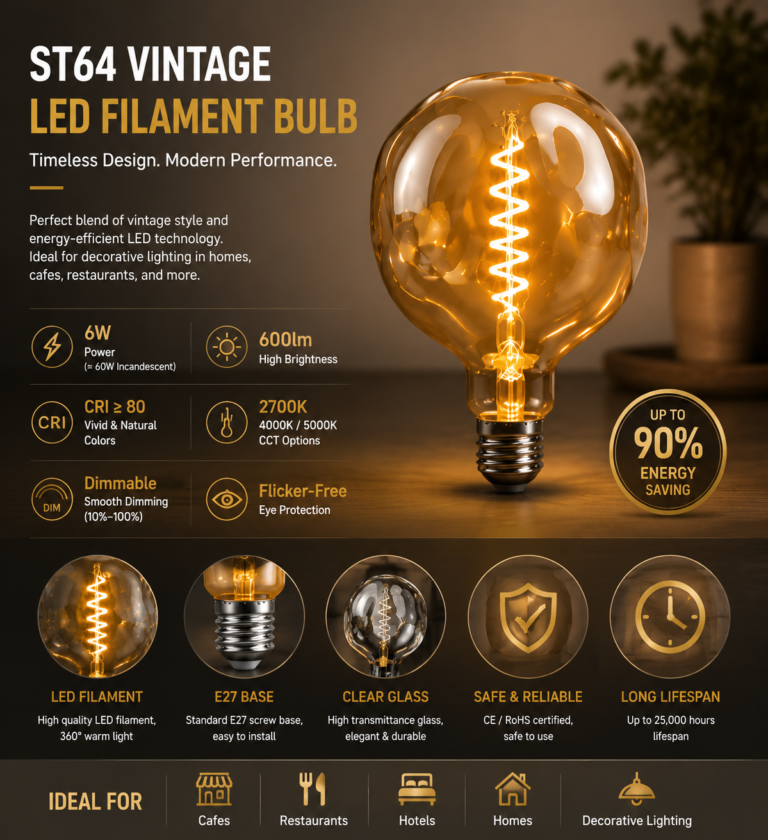
Compare the filament arrangement when the bulb is viewed from normal guest positions, not only in a product photograph. Different filament layouts create different visual patterns, brightness impressions, and shadow effects. Clear glass emphasizes the internal structure, while tinted or coated glass can soften the appearance and reduce visual harshness.
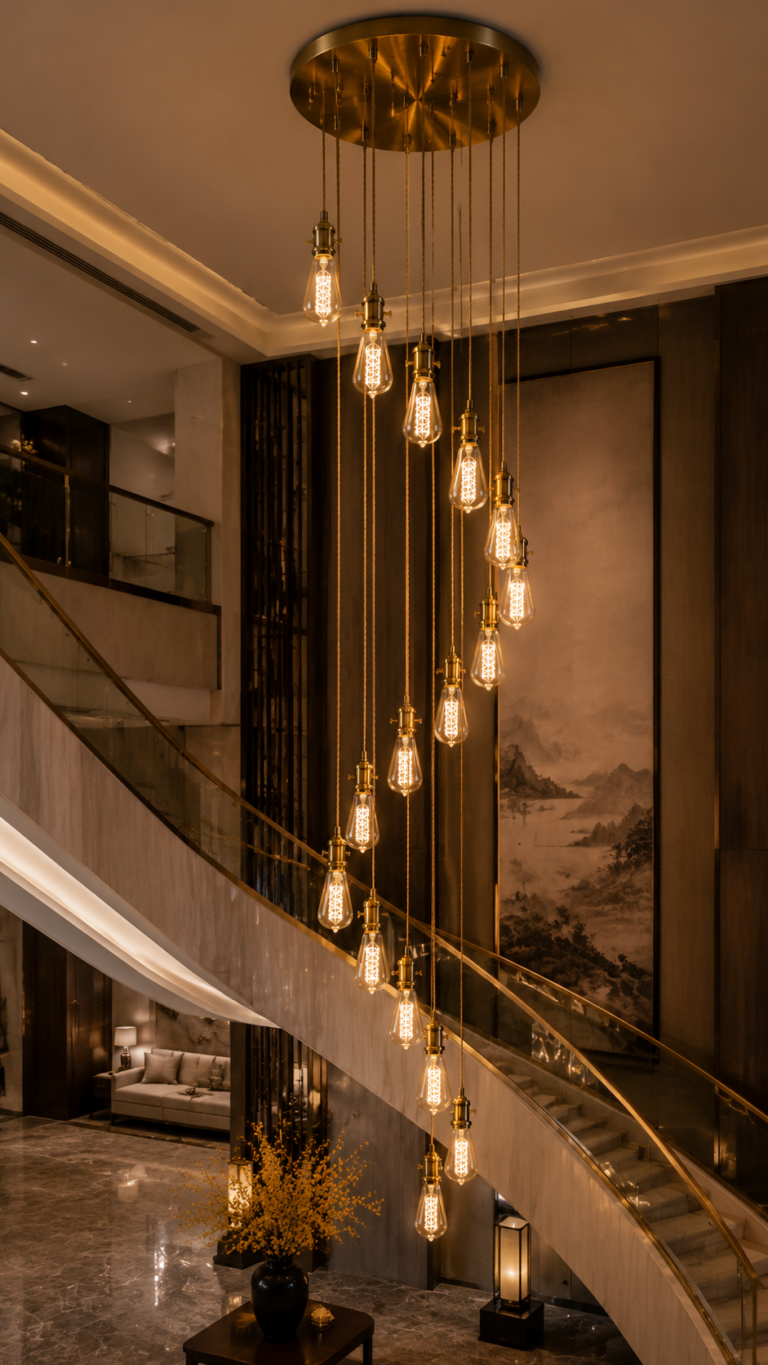
Also check whether the bulb will be installed vertically, horizontally, or at an angle. Some shapes look balanced in one position but visually uneven in another. For a multi-pendant installation, consistent glass tint, filament geometry, and overall finish are important because small differences become noticeable when several bulbs are grouped together.
2. Color temperature and visual comfort
Warm light is commonly associated with relaxed dining, intimate interiors, and evening service. Nevertheless, color temperature should be selected in relation to the restaurant concept, wall finishes, furniture, food presentation, and other luminaires. An excessively warm appearance may reduce clarity in some areas, while a cooler source may weaken the intended atmosphere.
Ask the supplier for the declared color temperature, color consistency information, and available samples. If the project includes several bulb types, compare them under the actual ceiling, wall, and table finishes. A sample review is more reliable than choosing from isolated catalog images.
3. Dimming and control compatibility
Dimming is often central to restaurant operation because the desired atmosphere can change between daytime service, evening dining, private events, and cleaning periods. A bulb should therefore be evaluated together with the dimmer, control system, wiring arrangement, and installation quantity.
Do not assume that a bulb described as dimmable will perform equally well with every control device. Confirm the compatible dimmer types, minimum load requirements, expected dimming range, and behavior at low settings. Ask whether the supplier has application guidance for the intended control system. Where possible, test a representative group of bulbs with the actual dimmer before approving a large order.
TITK’s dimmable LED bulb range can be reviewed as a starting point, but project buyers should confirm the exact control compatibility of each proposed model.
4. Electrical and mechanical compatibility
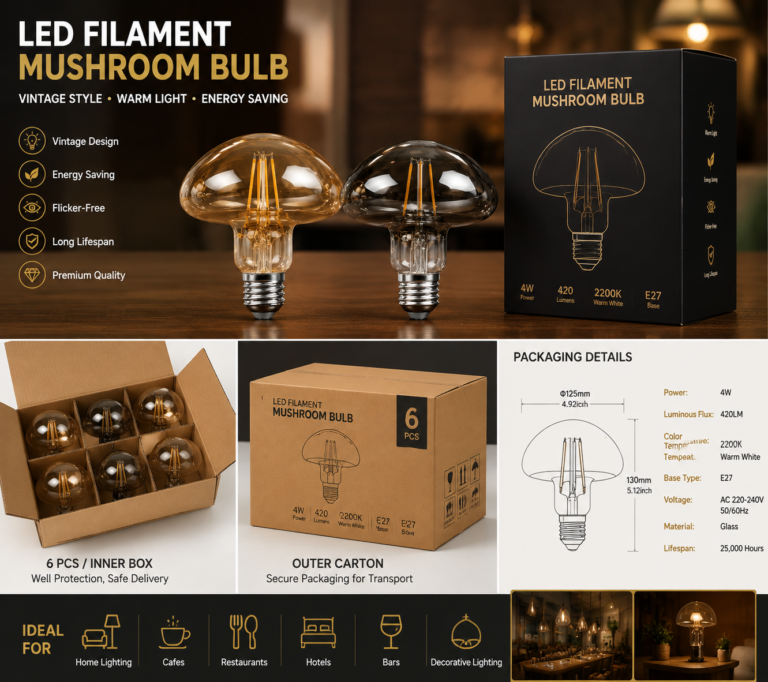
Confirm the socket base, supply voltage, frequency, bulb dimensions, and fixture clearance before ordering. Decorative bulbs are often installed in narrow shades, shallow pendants, or closely spaced clusters, where a small difference in length or diameter can affect fit and appearance.
Check the fixture manufacturer’s requirements as well. Enclosed fixtures, restricted ventilation, or installation near heat sources may impose limitations on the bulb design. The supplier should provide the relevant operating conditions and installation instructions rather than relying on a general statement that the product is suitable for commercial use.
5. Color quality and food presentation
Restaurant owners should consider how the light affects food, beverages, skin tones, tableware, and interior materials. Color rendering information is useful, but it should be interpreted alongside the bulb’s color temperature and the surrounding lighting. A visually attractive bulb can still produce an unbalanced result if it is mixed with sources that have noticeably different color characteristics.
For high-visibility areas, request technical data and evaluate samples with representative food colors and finishes. If consistent appearance is important across several restaurant locations, define acceptable color and appearance tolerances in the purchasing specification.
How should buyers compare decorative LED bulb options?
| Evaluation area | Questions to ask | Why it matters |
|---|---|---|
| Visual design | Is the filament, glass tint, and shape consistent with the interior? | Supports a coherent guest-facing appearance. |
| Light output | Is the bulb intended for ambience, decoration, or a supporting task? | Prevents decorative lighting from being assigned an unsuitable role. |
| Controls | Which dimmers and control systems are compatible? | Reduces commissioning problems and unwanted operating behavior. |
| Fit | Does the base, diameter, length, and orientation suit the fixture? | Helps avoid installation delays and visual inconsistencies. |
| Documentation | Are electrical, photometric, installation, and packaging details available? | Supports technical approval and repeat procurement. |
| Supply continuity | Can the supplier identify the exact model and revision for reorders? | Makes future replacements more predictable. |
For broader comparison, buyers can also review TITK’s LED Edison bulb category and general LED bulb selection. The correct choice should still be based on project-specific samples and confirmed specifications.
Installation and maintenance considerations
Before installation, verify that the circuit, sockets, dimmers, and protective devices match the approved specification. Inspect bulbs for shipping damage and keep the original model information with the project records. In a group installation, use the same approved model wherever a uniform appearance is required.
Maintenance planning should account for access, cleaning, replacement stock, and the visibility of failed bulbs. Restaurants with high ceilings or complex pendant arrangements may need a replacement procedure that minimizes disruption to service. Keep spare bulbs from the same approved specification where consistent appearance is important, and do not substitute a visually similar model without checking electrical and dimensional compatibility.
Common limitations and procurement risks
Product photographs do not reliably show real-world brightness, glare, color, or tint. Catalog descriptions may also omit important details about dimming behavior, operating orientation, enclosed fixtures, or control-system compatibility. These limitations are especially relevant when a restaurant uses many decorative bulbs in one circuit.
Another risk is treating “vintage” appearance as a complete technical specification. The bulb style does not identify the socket base, supply requirements, dimming performance, color quality, or operating limits. Buyers should request a complete datasheet, installation guidance, packaging information, and a clear model reference for repeat orders.
Practical next steps for B2B buyers
- Map each restaurant area by lighting role: ambience, decoration, task support, or functional service.
- Record fixture dimensions, socket bases, supply conditions, dimmer details, and installation orientation.
- Shortlist bulb shapes and filament designs that match the interior concept.
- Request samples and test them with the actual fixtures, dimmers, finishes, and control settings.
- Compare supplier documentation, packaging, model identification, and replacement procedures.
- Approve one controlled specification for each application and confirm all details with the supplier before production or bulk ordering.
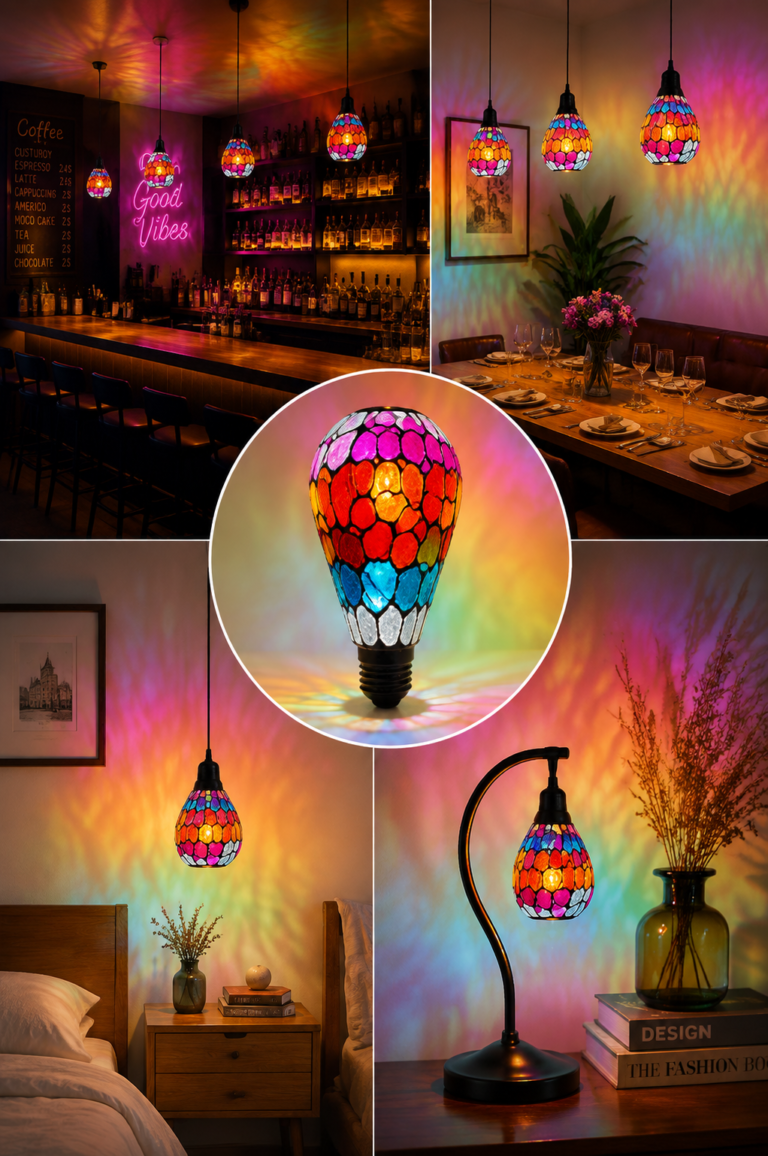
For projects requiring a softer decorative effect, buyers may also examine decorative light bulb options alongside Edison-style designs. TITK can be contacted for product information and specification confirmation; final suitability should be established through project samples and documented technical review.