Best Bulbs for Pendant Lights: A Practical Selection Guide
A practical procurement guide for choosing pendant light bulbs by fit, beam, dimming, appearance, and sourcing risk.

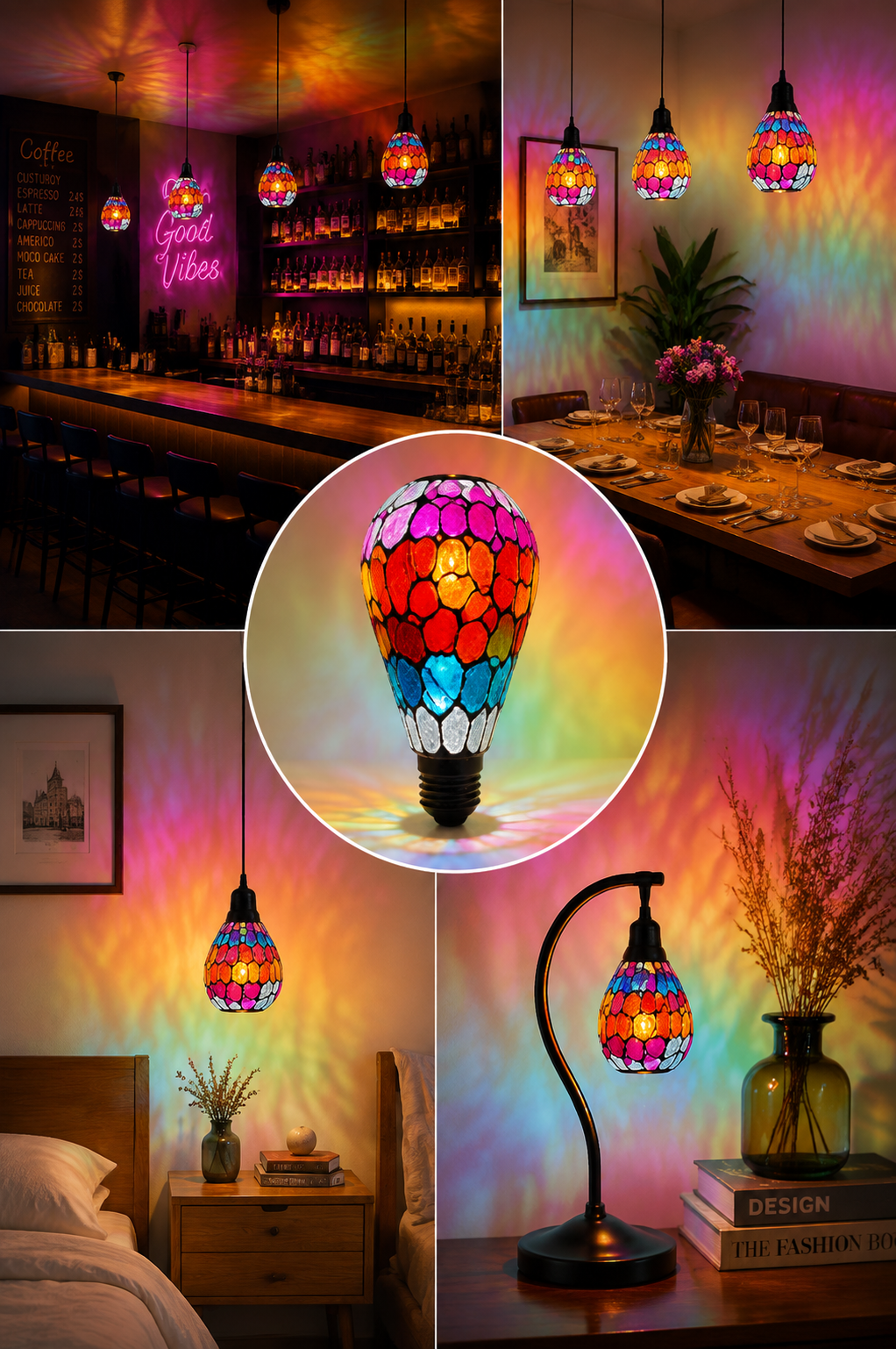
Choosing the best bulbs for pendant lights is less about picking a popular shape and more about matching the bulb to the fixture, the space, and the buying plan. For B2B buyers, distributors, installers, and informed consumers, the right choice should balance appearance, control, compatibility, and sourcing reliability.
This guide gives a procurement-first framework: define the requirement, compare practical options, identify common risks, and prepare supplier questions before you place an order.
Start with the requirement, not the bulb
Pendant lights are used in kitchens, dining areas, receptions, corridors, retail displays, and many other spaces. The same bulb can look excellent in one pendant and poorly suited in another. Before comparing products, define the use case.
Key questions to define
- What is the space: residential, commercial lighting, or hospitality lighting?
- Is the pendant open, shaded, glass-enclosed, or decorative?
- Should the bulb be visible or mostly hidden?
- Is the goal task lighting, ambient lighting, or a decorative accent?
- Will the fixture use dimming controls?
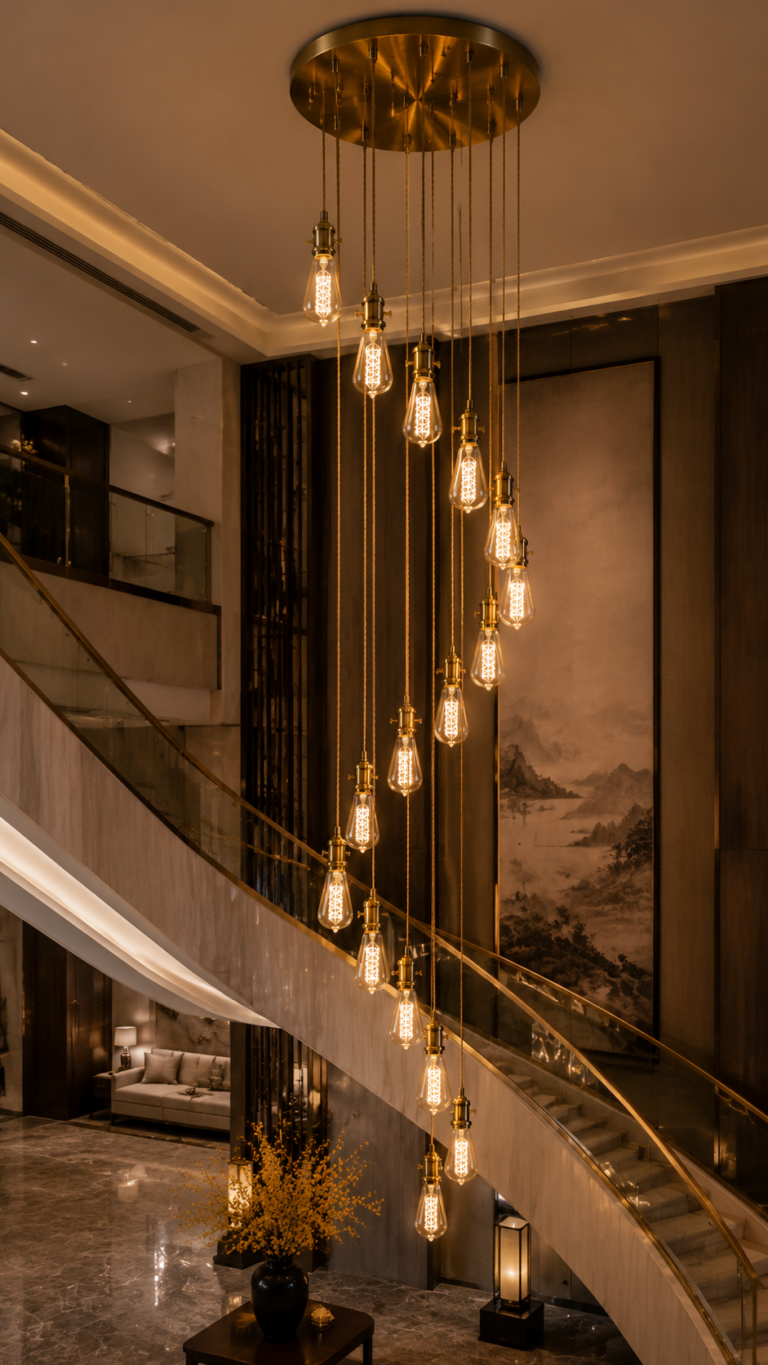
These answers narrow the field faster than focusing on shape alone. For example, an exposed pendant usually needs a bulb with a visually pleasing form, while an enclosed shade may prioritize fitting and heat behavior.
Compare the main bulb options
When sourcing LED filament bulbs or other pendant lamp options, compare them by form, light distribution, compatibility, and visual effect. The most suitable bulb is the one that fits the fixture and the project brief, not just the one with the strongest marketing appeal.
| Option | Best use | Main advantage | Selection watchpoint |
|---|---|---|---|
| Clear decorative bulb | Open pendants where the bulb is part of the look | Strong visual presence | Glare and visible internal components |
| Frosted or diffused bulb | Spaces needing softer output | Reduced harshness | Less visible filament effect |
| Dimmer-compatible bulb | Spaces with changing moods or task needs | Better control | Must match the actual dimmer system |
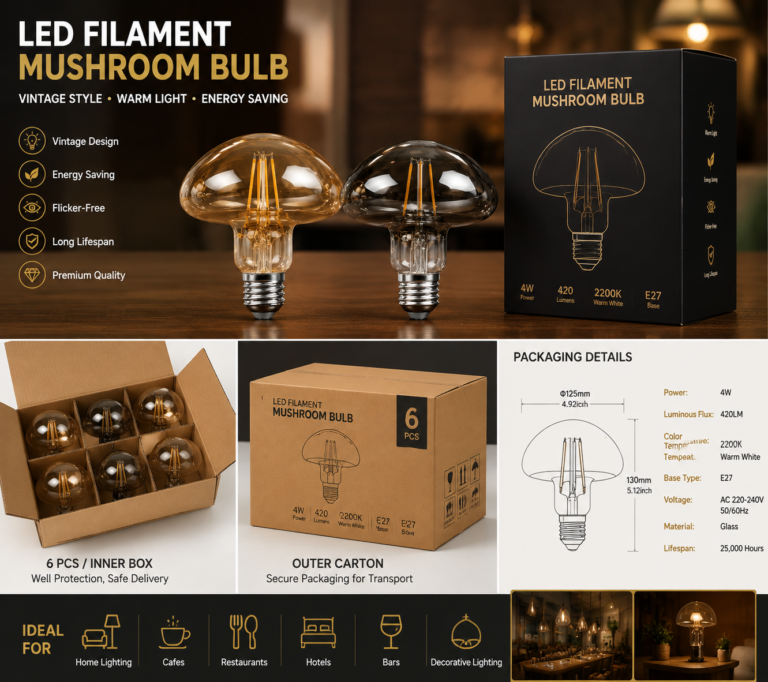
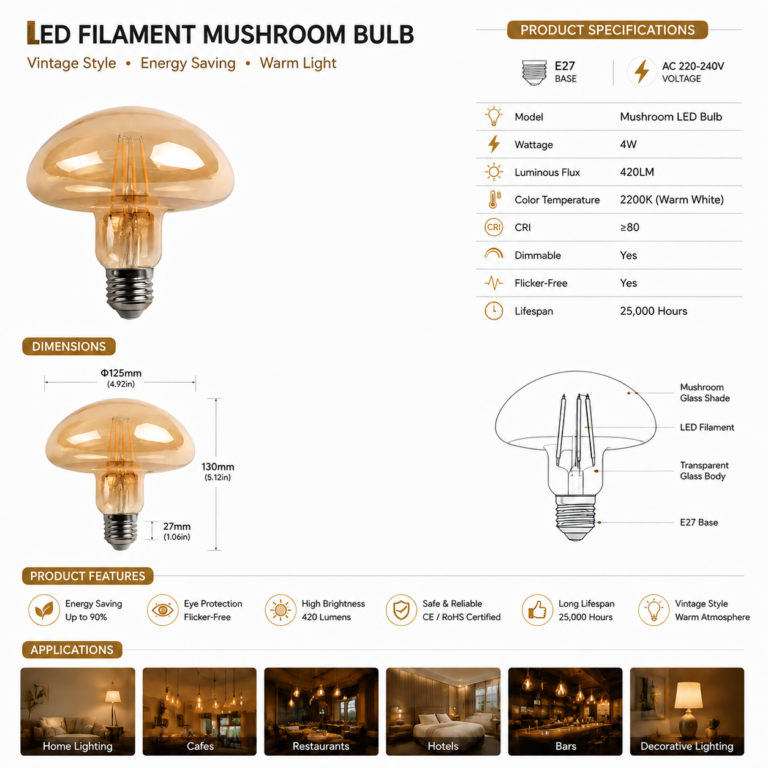
| Decorative shape bulb | Exposed pendants and design-led interiors | Stronger decorative impact | Confirm size and visual proportion |
If you are sourcing through a broader range of LED Bulbs, compare pendant-focused models against the fixture dimensions and the intended viewing angle.
Match the bulb shape to the pendant
The best pendant bulb should feel proportional to the shade or suspension height. A bulb that is too large can dominate the fixture. A bulb that is too small may look underpowered or visually empty.
Review these fit factors
- Bulb size: Check whether the bulb is meant to be seen directly.
- Base type: Confirm socket compatibility before ordering.
- Clearance: Make sure the bulb fits within the shade and leaves safe space around the socket area.
- Viewing angle: In open pendants, the bulb should look good from below and from the side.
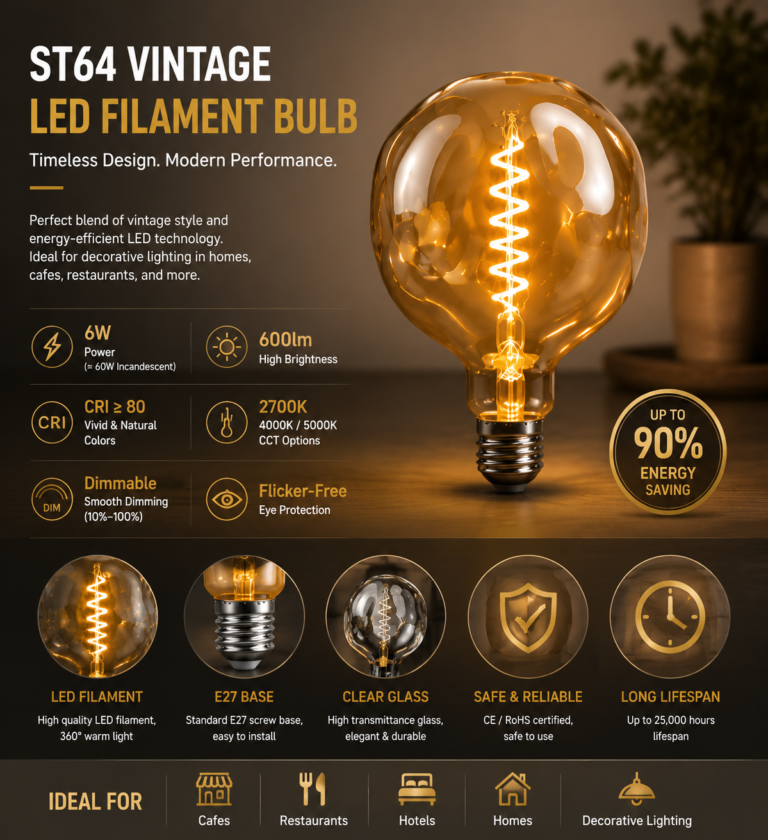
For decorative projects, many buyers also review LED Edison Bulbs and LED Candle Bulbs when the fixture design calls for a specific silhouette.
Think about beam, glare, and ambience
Pendant lights are often installed at eye level or near it, so glare matters. A bulb that seems acceptable on a spec sheet may still feel uncomfortable in use if the light source is too exposed or too bright for the application.
For public spaces and residential interiors alike, the buyer should ask: will the bulb create a pleasant pool of light, or will it dominate the room visually? This is especially important in decorative lighting, where appearance and comfort must work together.
Practical checks
- Look at how much of the bulb is visible from normal standing and seated positions.
- Consider whether the pendant is placed above a table, bar, counter, or walkway.
- Confirm whether a softer diffuser is preferable to a clear bulb.
For projects that require more controlled output, Dimmable LED Bulbs can be a better fit, but only if the dimmer and bulb are fully compatible.
Check dimming and control compatibility early
Dimming is one of the most common sourcing risk points. A bulb may be described as dimmable, yet still perform poorly with a particular control system. This creates avoidable installation issues and post-sale complaints.
When purchasing for multi-unit projects, confirm the dimmer type, control range, and expected behavior at low settings. Ask for clear compatibility guidance rather than assuming universal performance.
This step matters for distributors and installers as much as end users, because the wrong pairing can affect customer satisfaction even if the bulb itself is functional.
Identify sourcing risks before you buy
Whether you are buying for a single interior or a larger rollout, sourcing risk often comes from missing details, not from the bulb category itself. A disciplined LED bulb buying guide should review the product data, the packaging, and the sample behavior together.
Common risks to watch
- Incomplete specifications: Missing base type, size, or dimming details.
- Visual mismatch: The bulb shape does not suit the fixture proportions.
- Control mismatch: Dimming or switching behavior does not suit the site.
- Color inconsistency: Multiple bulbs in the same area look different when installed.
- Packaging uncertainty: No clear labeling for sorting, storage, or installation.
These checks are especially important in wholesale, project, and replacement purchasing. For buyers comparing product families, Decorative LED Bulbs can be a useful starting point when the fixture is visible and design matters.
Questions to ask suppliers
Good supplier questions reduce rework. Before placing an order, ask for answers that can be verified against the actual product and site conditions.
- Which pendant fixture types is this bulb intended to fit?
- Is the bulb suitable for open or enclosed pendants?
- What base and size information should be confirmed before ordering?
- Is the bulb compatible with the intended dimmer or control system?
- What finish, diffusion level, or visual appearance should buyers expect?
- Can sample units be reviewed before a larger purchase?
- What is the recommended use case: decorative, ambient, or task lighting?
For larger or repeat projects, ask the supplier to confirm specifications in writing and to clarify any installation constraints. If your project includes product families beyond a single bulb style, the broader Decorative Light Bulbs range may help you compare visual options more efficiently.
A simple buyer’s shortlist
When reviewing the best bulbs for pendant lights, use this short decision sequence:
- Define the fixture and the viewing angle.
- Choose the bulb form that suits the pendant proportion.
- Decide whether the light should be soft, clear, or dimmable.
- Confirm base, size, and control compatibility.
- Review supplier documentation and request samples when needed.
The right bulb is the one that fits the pendant, supports the room function, and can be sourced with confidence.
If you are comparing pendant bulb options for a project, review the product details carefully and contact TITK to confirm specifications before ordering.