Pendant Light Bulbs: Matching Form, Beam and Ambience
A practical guide to selecting pendant light bulbs by visual goal, bulb shape, color temperature, light distribution, dimming and installation constraints.

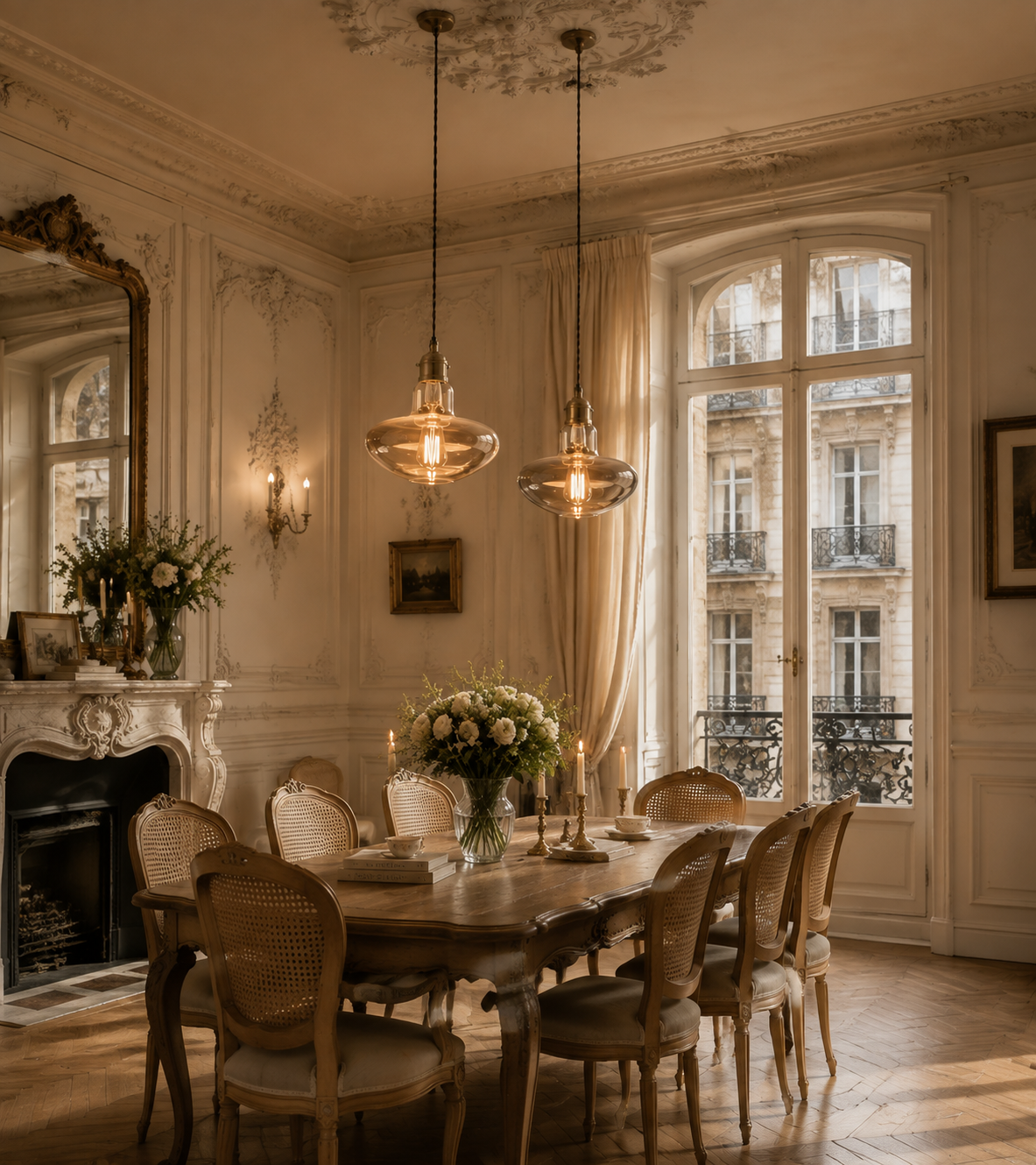
Pendant lights are visually prominent, but the bulb inside them must do more than complete the fixture’s appearance. It influences the perceived scale of the fitting, the character of the room, the direction of light and the comfort of people using the space. A bulb that looks attractive in a product photograph may still be unsuitable if its base, diameter, brightness, beam or control compatibility does not match the application.
For international buyers, distributors, installers and informed consumers, pendant light bulb selection is therefore a design and specification decision rather than a simple replacement purchase. Start with the visual goal, then check the fixture, electrical requirements and operating environment.
Begin with the visual goal
Before comparing bulb shapes, define what the pendant is expected to achieve. The same fitting may need to provide ambient illumination, focused light over a table, a decorative focal point or a combination of these functions.
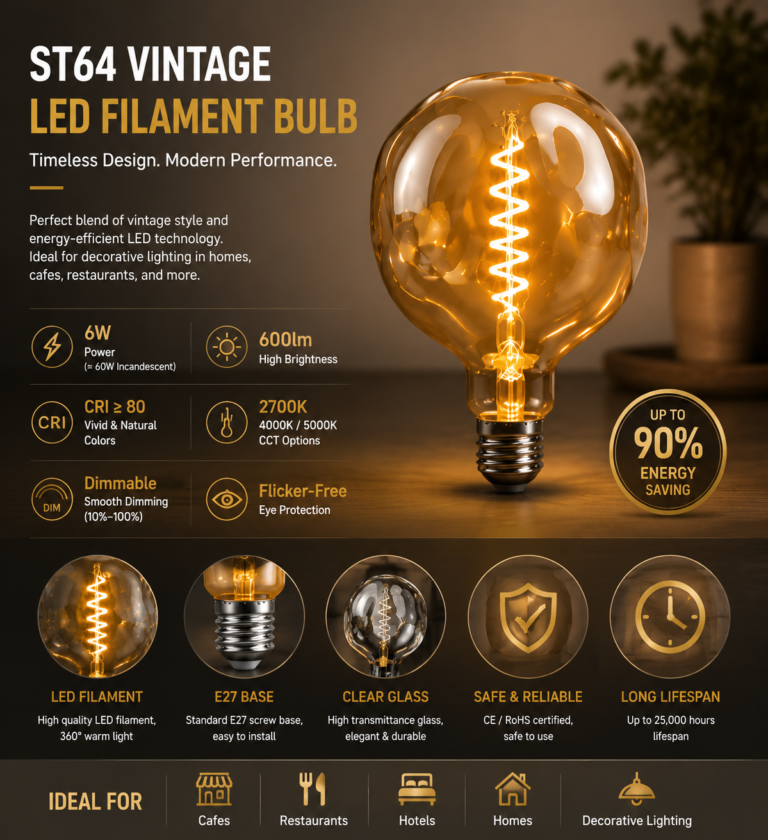
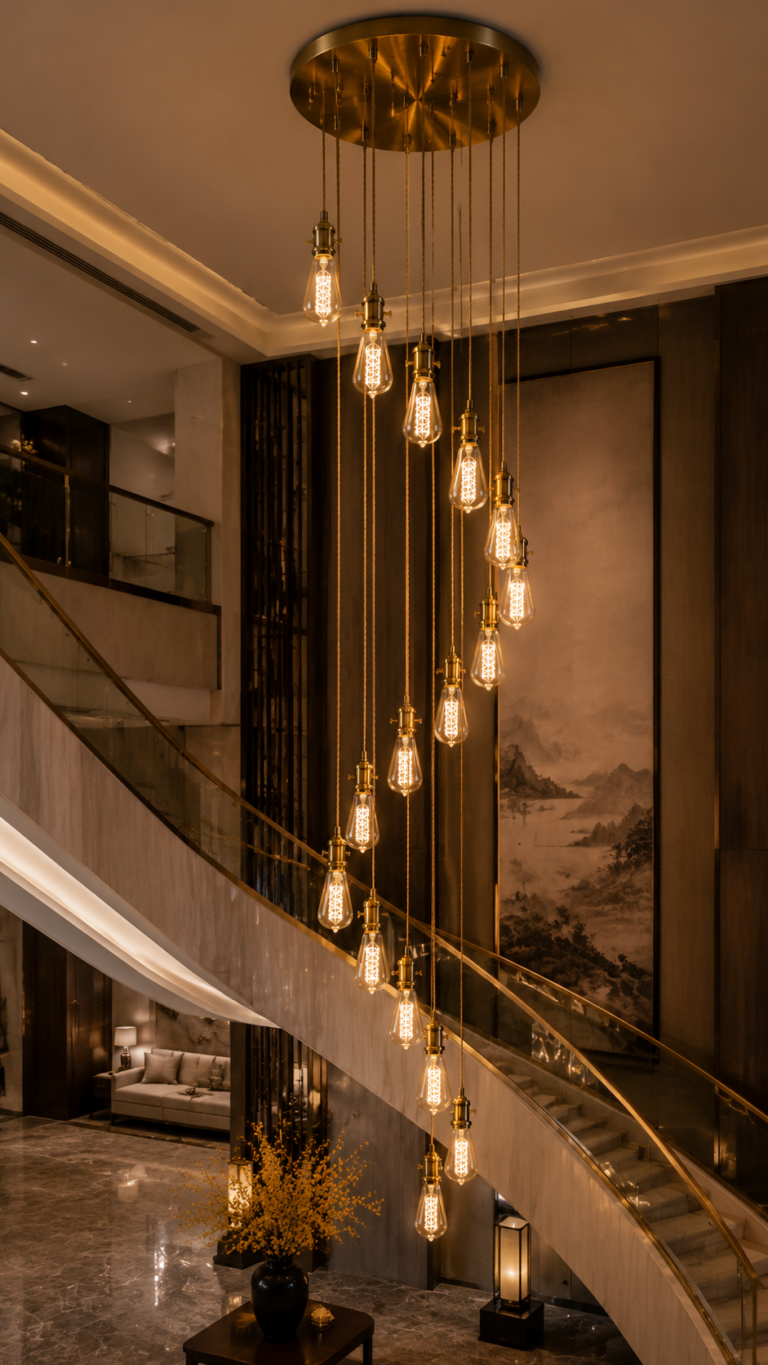
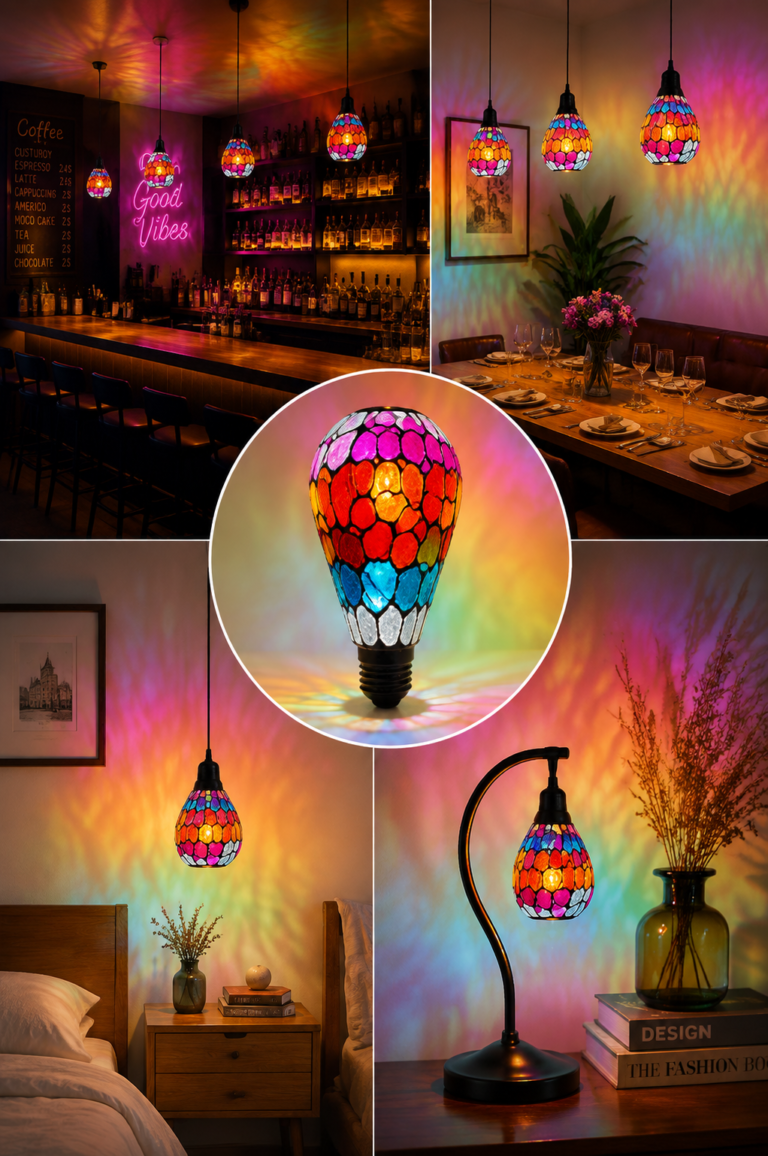
- Decorative emphasis: Choose a visible bulb with a deliberate form, such as an elongated Edison-style design, globe profile or filament appearance. The bulb becomes part of the pendant’s visual composition.
- Comfortable ambient light: Prioritise even, sufficiently broad distribution and a color temperature that supports a relaxed environment. An opaque or softly diffusing bulb may be preferable when the lamp is visible from several angles.
- Task support: Look for a bulb and shade combination that directs useful light toward the work surface. The fixture’s reflector, opening and suspension height may matter as much as the bulb itself.
- Architectural clarity: In modern interiors, a simple clear or frosted bulb can preserve the clean outline of the pendant. Avoid decorative detail that competes with the fixture’s form.
These goals can conflict. A clear filament bulb may create a strong visual statement but reveal bright points when viewed directly. A diffused bulb may improve visual comfort while concealing the internal structure. The right choice depends on how the pendant will be seen and used.
Match bulb form to pendant construction
Check the base and overall envelope
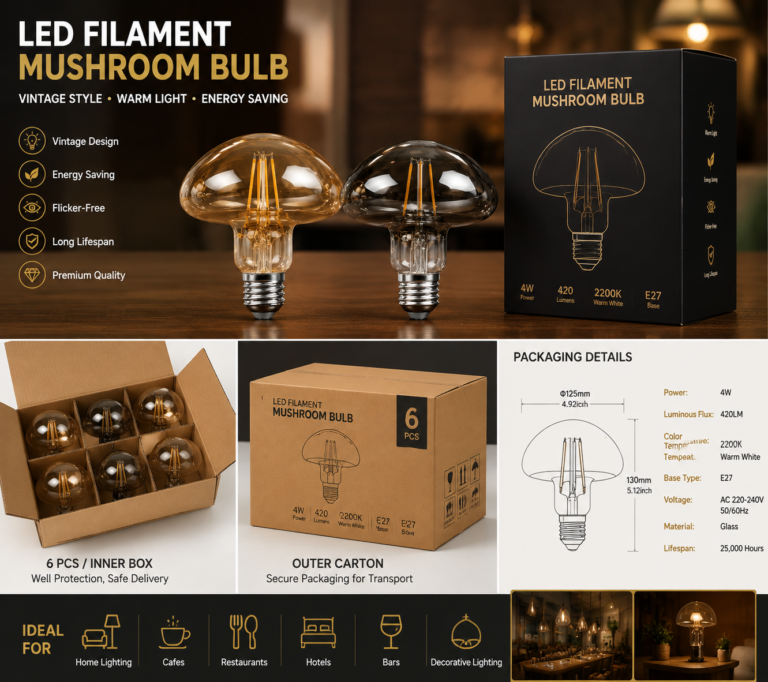
Confirm the lamp base before considering style. Common screw or bayonet formats are not interchangeable, and regional markets may use different naming conventions. The supplier’s technical documentation should identify the base clearly.
Next, check the maximum permitted bulb diameter and length. A bulb may fit the socket but interfere with a narrow shade, protective cage, glass enclosure or decorative ring. For clusters of pendants, even small differences in bulb size can affect visual alignment.
Also inspect the fixture’s orientation. A pendant designed for a vertical bulb may not distribute light correctly when used with a horizontal or angled fitting. For enclosed fixtures, confirm that the selected bulb is suitable for the stated operating conditions and that heat management requirements are understood.
Choose shapes that reinforce the fixture
- A-shaped bulbs suit many traditional and general-purpose pendants where the shade is the main visual feature.
- Globe bulbs work well with open pendants, exposed sockets and rounded or sculptural fixtures.
- Tube and elongated bulbs can complement narrow shades, linear arrangements and vertically proportioned fittings.
- Candle or torpedo forms are useful where the pendant has a refined, tapered appearance, provided the bulb dimensions are compatible.
- Compact decorative bulbs can help preserve sightlines in small pendants or multi-light arrangements.
For visible-bulb installations, review the complete combination rather than the bulb alone. Socket finish, cord or stem, shade opening and bulb surface all contribute to the final result.
Use color temperature to support the application
Color temperature affects the emotional and visual character of a pendant. Warm white light is commonly associated with hospitality, residential and intimate settings. Neutral white may support clearer visual tasks and a more contemporary appearance. Cooler white options can suit certain commercial or functional environments, but they may feel less relaxed in spaces intended for dining or social interaction.
Do not select color temperature from a label alone. Consider adjacent lighting, wall and ceiling finishes, furniture colors and the time of day when the pendant will operate. A warm bulb beside cooler architectural lighting can create an unintended contrast. For projects with multiple suppliers, request the exact correlated color temperature and color-rendering information so that samples can be compared consistently.
For hospitality and commercial projects, establish a color policy before ordering. Consistent specifications across pendant groups help avoid visible variation between fixtures. Where the bulb is decorative and exposed, the appearance of the filament or internal light source should also be reviewed under the intended dimming level.
Control distribution, glare and brightness
Light distribution is determined by both the bulb and the pendant. A clear bulb often produces more pronounced highlights and shadows, while a frosted or diffused surface generally softens the source. Reflective shades can redirect light, whereas open fittings allow more light to spread into the surrounding space.
Consider the viewer’s position. Pendants over dining tables, reception counters and kitchen islands are often seen at eye level or from below. If the source appears harsh, consider a diffused bulb, a lower visible brightness, a wider shade opening or a revised suspension height. A decorative filament arrangement can also affect the perceived brightness even when the electrical rating is similar.
For task areas, assess the light reaching the surface rather than judging the bulb by appearance alone. For ambient applications, review the room from normal standing and seated positions. Supplier photometric data, product drawings and physical samples can help, but the final evaluation should reflect the actual shade and installation position.
Where dimming is required, verify compatibility among the bulb, dimmer and control system. Not every LED bulb works with every dimmer, and low-load installations can behave differently from traditional lamp circuits. Review the supplier’s compatibility guidance and specify the intended control method before procurement. TITK’s dimmable LED bulb range can be used as a starting point for comparing available formats, while exact compatibility should be confirmed with the supplier.
Account for application constraints
A pendant in a private home may have different requirements from one in a hotel, restaurant, retail setting or public circulation area. Establish the operating conditions before finalising the bulb.
- Operating hours: Frequent or extended use makes consistency, control compatibility and replacement planning more important.
- Access for replacement: High ceilings, fixed shades and clustered installations can increase service complexity. Record the bulb specification for future maintenance.
- Environmental exposure: Kitchens, covered outdoor areas and humid locations require careful review of the fixture and bulb suitability. Do not assume that a decorative bulb is appropriate for every environment.
- Cleaning and handling: Visible bulbs may be touched or cleaned more often. Confirm the recommended handling method and avoid damaging decorative surfaces during installation.
- Supply continuity: For projects involving many fixtures, ask the supplier about available variants, documentation and ordering consistency. Confirm all specifications before placing a volume order.
- Local electrical requirements: Base type, voltage, frequency, dimming equipment and installation practice vary by market. The responsible installer should verify compliance with applicable local requirements.
For broader comparison, review TITK’s LED bulb selection and use the technical information provided for the specific item. Buyers seeking a visible decorative source can also compare decorative light bulb formats before narrowing the specification.
A practical pendant bulb specification checklist
Before approving a bulb, document the following points:
- Fixture type, orientation and socket base.
- Maximum bulb diameter and length permitted by the pendant.
- Primary visual goal: decorative, ambient, task or combined.
- Preferred bulb shape, finish and filament appearance.
- Color temperature and color-rendering requirements.
- Desired distribution, glare control and dimming behaviour.
- Electrical supply, control equipment and installation environment.
- Quantity, replacement access and expected ordering requirements.
- Supplier documentation, samples and confirmation of the exact variant.
For decorative projects, consider requesting samples at the intended dimming levels and viewing them with the actual pendant. This can reveal differences in glare, filament visibility and color that are difficult to assess from a catalogue image.
Final guidance for buyers and installers
The most suitable pendant bulb is the one that balances appearance, useful light, visual comfort and practical installation requirements. Bulb form should support the fixture, color temperature should support the space, and distribution should match the way people use the area. Dimming, access, environmental conditions and local electrical requirements should be resolved before the order is released.
Use this framework when comparing decorative, filament and general LED options, and confirm the final technical specifications directly with the supplier. TITK can be contacted for product information and application discussions when you are ready to review suitable pendant bulb options.