Hotel LED Filament Bulbs: A Zone-by-Zone Buying Method
A practical framework for choosing LED filament bulbs for hotel lobbies, bedrooms, restaurants, corridors, and guest-facing areas.

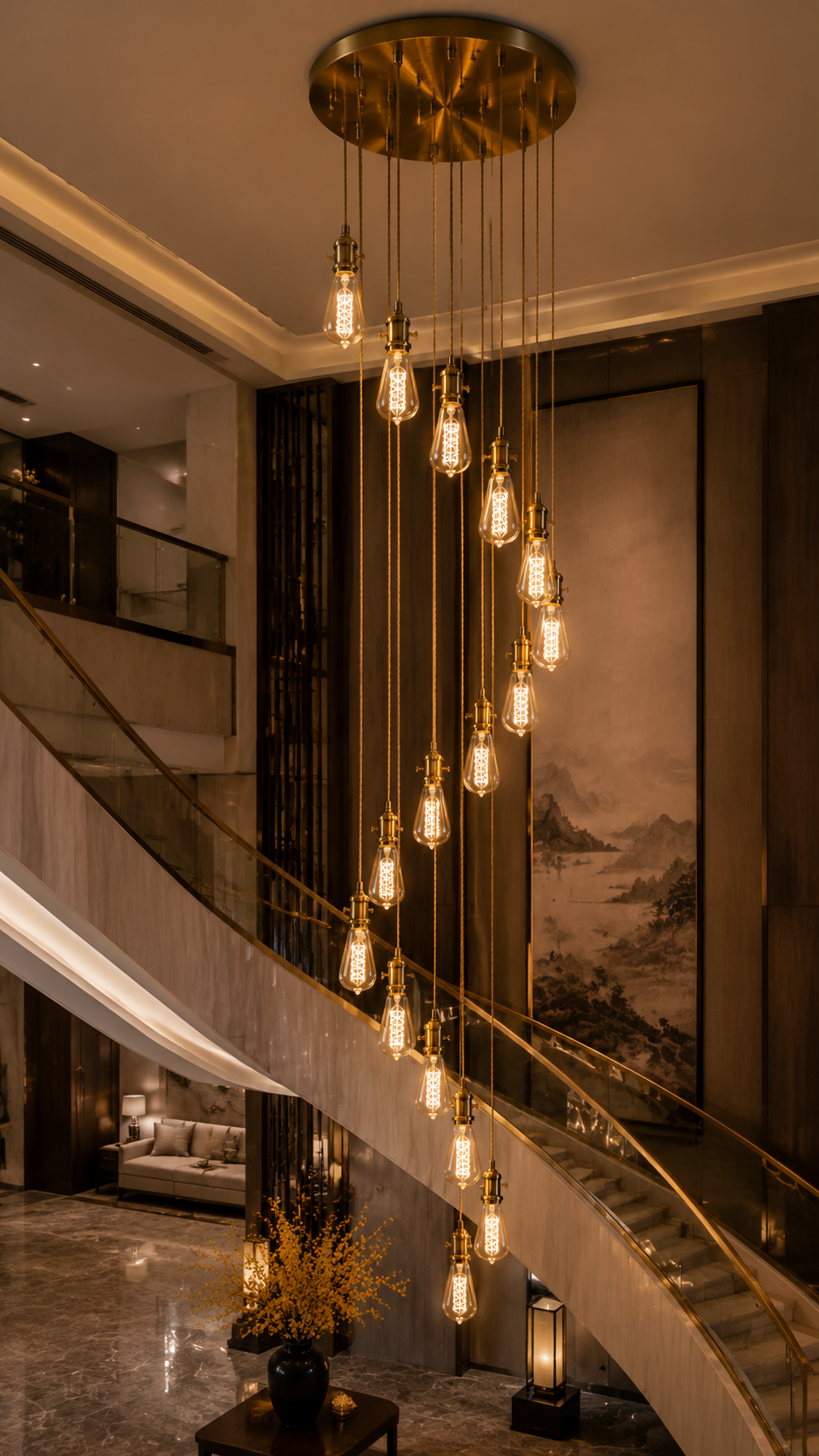
Hotels need lighting that feels welcoming to guests while remaining predictable for operators, installers, and purchasing teams. That combination makes bulb selection more demanding than simply choosing a vintage appearance. The best solution depends on the zone, fixture, control system, visual hierarchy, cleaning routine, and replacement process.
This guide explains how to evaluate LED filament bulbs for hotel ambience without treating every application as the same. It focuses on decorative screw-in and bayonet-style lamps used in visible fixtures, including guest rooms, reception areas, restaurants, bars, corridors, and event spaces.
Start with the hotel zone, not the bulb style
A filament bulb can look attractive in a product catalogue but perform poorly when its beam, brightness, color, or dimming behavior does not suit the space. Begin by identifying what the light must accomplish in each area.
| Hotel zone | Primary lighting objective | Important bulb questions |
|---|---|---|
| Guest rooms | Comfort, atmosphere, and useful local light | Is the lamp decorative only, or must it support reading and tasks? |
| Reception and lobby | Visual identity and a welcoming first impression | Will guests see the filament directly, and does the shape suit the fixture? |
| Restaurants and bars | Warm ambience with consistent appearance | Can the lamp tolerate frequent operation and work with the control system? |
| Corridors and public areas | Guidance, comfort, and visual continuity | Is the decorative lamp supplementary or the main source of illumination? |
| Event spaces | Flexible mood and scene setting | Are dimming, grouping, and replacement straightforward? |
This zoning step prevents a common mistake: using a low-output decorative lamp as the only light source where guests need clear visibility. In many hotel interiors, the filament bulb should provide visual warmth while recessed, concealed, or architectural lighting supplies general illumination.
Which specifications matter most?
Shape, size, and visual proportion
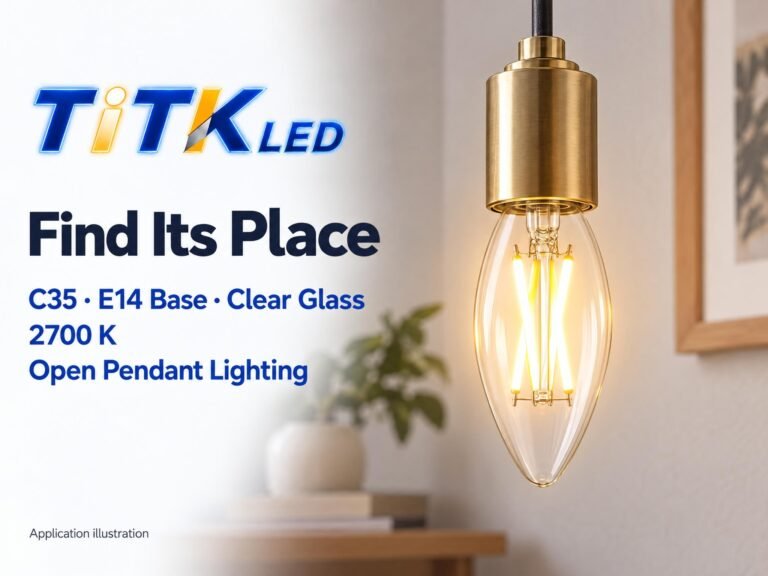
Choose the envelope only after checking the fixture. Globe, tubular, teardrop, candle, and standard A-shape lamps create different visual proportions. A large lamp may dominate a small bedside fitting, while a narrow lamp may look lost in a lobby pendant cluster.
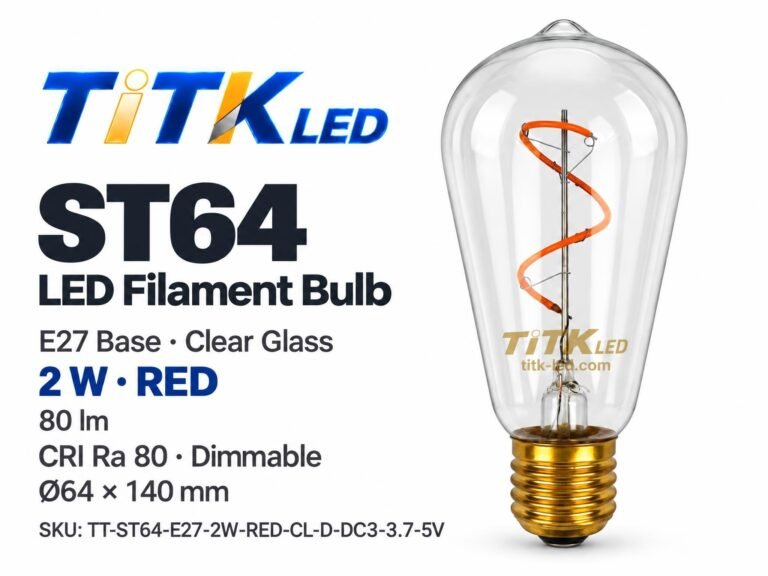
Confirm the lamp diameter, overall length, base type, and neck profile against the fixture drawing. Also check whether the bulb is visible from normal guest viewpoints. A filament pattern that looks refined when viewed straight on may appear uneven from the side.
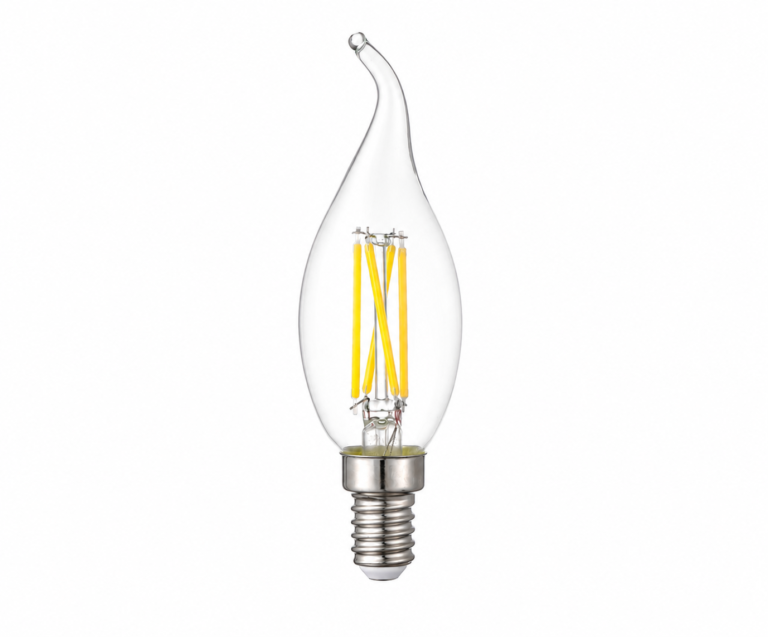
For visible decorative lighting, appearance should be assessed as a complete combination of glass tint, filament arrangement, base finish, and fixture material. Request approved samples rather than relying only on catalogue images.
Color appearance and consistency
Warm light is often associated with relaxation and hospitality, but the correct choice depends on the interior palette and the surrounding luminaires. A hotel may use different color appearances by zone, yet abrupt changes between adjacent spaces can look accidental.
Ask suppliers to define the intended color appearance clearly and to explain how consistency is managed across production batches. Review sample bulbs beside wall finishes, wood, textiles, metalwork, and artwork. This is especially important in lobbies and restaurants, where guests can see several lamps at once.
Brightness, beam, and glare
Do not compare bulbs only by wattage. Review the stated light output, distribution, and whether the bulb is intended for decorative or general illumination. A clear glass filament bulb can create sparkle and shadow, whereas a diffused option may provide a softer visual effect.
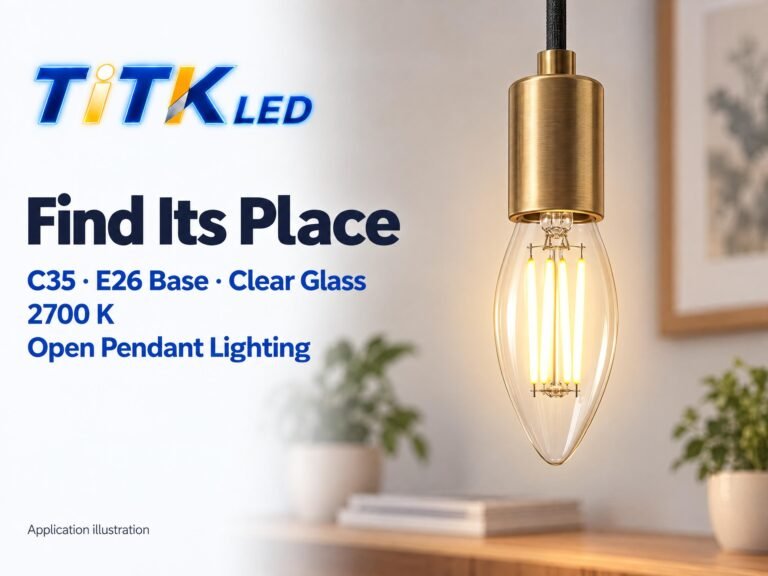
Glare is a practical concern in open pendants, exposed wall fittings, and bedside lamps. Consider the viewing angle from seating, beds, reception desks, and dining tables. If the light source is directly visible, a lower-intensity decorative option or a suitable shade may offer better comfort than a brighter lamp.
Control compatibility is a project decision
Many hotel installations use dimming, scene controls, occupancy systems, or centralized switching. A bulb should not be specified as dimmable simply because the word appears in a product title. Confirm the control method, compatible dimmer types, minimum load requirements, operating range, and behavior at low settings with the supplier.
Dimmable LED bulbs can be useful in guest rooms, restaurants, and event areas, but compatibility must be checked with the installed control equipment. Ask for written guidance covering start-up, low-level operation, visible modulation, and the recommended number of lamps per circuit. An on-site trial with the actual dimmer is more reliable than assuming universal compatibility.
Where dimming is not required, a non-dimmable version may simplify procurement and commissioning. The correct decision depends on the hotel’s control strategy rather than on a preference for additional features.
Evaluate commercial practicality before approval
Electrical and mechanical fit
Confirm the supply voltage, frequency, base, operating position, enclosure restrictions, and fixture ventilation. Enclosed fittings can impose different thermal conditions from open pendants. The supplier should state any limitations relevant to enclosed use, damp locations, outdoor-adjacent areas, or frequent switching.
Installers should also check clearances, socket condition, circuit loading, and whether the lamp’s physical weight is suitable for the fitting. These details are simple, but overlooking them can cause delays during installation or replacement.
Maintenance and replacement
Hotels benefit from standardization, but standardization should not mean using one bulb everywhere. Create a controlled schedule containing the approved lamp shape, base, color appearance, dimming status, supplier reference, and replacement procedure for each zone.
Keep spare lamps that match the installed appearance. Mixing visually different filament layouts or glass tints in one chandelier or corridor can be noticeable even when the lamps have similar electrical ratings. For high-visibility areas, approve the replacement sample before changing the full group.
For larger projects, discuss OEM LED bulbs when the hotel group or distributor needs a defined appearance, packaging arrangement, label format, or repeatable specification. Any OEM agreement should be based on documented samples, agreed tolerances, change-control procedures, and confirmation of the applicable market requirements.
Use a structured supplier comparison
When reviewing commercial lighting options, request the same information from every supplier. A useful comparison should cover:
- Bulb shape, dimensions, base, glass type, and filament design.
- Declared electrical input, light output, color appearance, and beam information.
- Dimming compatibility and any restrictions on control equipment.
- Suitability for the proposed fixture, operating position, and environment.
- Available samples, batch consistency, packaging, and replacement identification.
- Applicable technical documentation and market-specific compliance information.
For a first review, browse the supplier’s LED filament bulb range and compare the visible design with the project’s fixture schedule. Decorative options can also be reviewed through the decorative LED filament bulb category.
Recommended approval process for hotel projects
- Map the zones: Separate guest rooms, public areas, food and beverage spaces, corridors, and event areas.
- Define the role of the bulb: Decide whether it is decorative, functional, or part of a layered lighting scheme.
- Check the fixture: Verify dimensions, base, visibility, ventilation, and installation position.
- Test the controls: Use the actual dimmer or control system where compatibility matters.
- Review samples in context: Assess the lamp at the intended viewing distance and beside the final interior materials.
- Document the approved item: Record the exact reference and replacement requirements for future purchasing.
This process is more dependable than selecting a fashionable shape first and trying to solve compatibility later. It also gives distributors and installers a clear basis for explaining why two visually similar bulbs may not be interchangeable.
Practical next steps for buyers
Prepare a fixture and zone schedule before requesting quotations. Include photographs, drawings, base types, control details, target atmosphere, and the expected role of each lamp. Then ask shortlisted suppliers for samples and written specifications rather than making a decision from product imagery alone.
For hospitality lighting, the strongest choice is usually the bulb that balances appearance, comfort, control compatibility, documentation, and replacement simplicity. TITK can be invited to review a project schedule and confirm which available specifications should be checked before ordering. Always validate final technical, installation, and compliance details with the supplier and the responsible local professional.