Best Edison Bulbs for Restaurants: How to Choose Well
A practical guide to choosing Edison bulbs for restaurant spaces, with clear advice on ambience, glare control, dimming, fit, and sourcing.

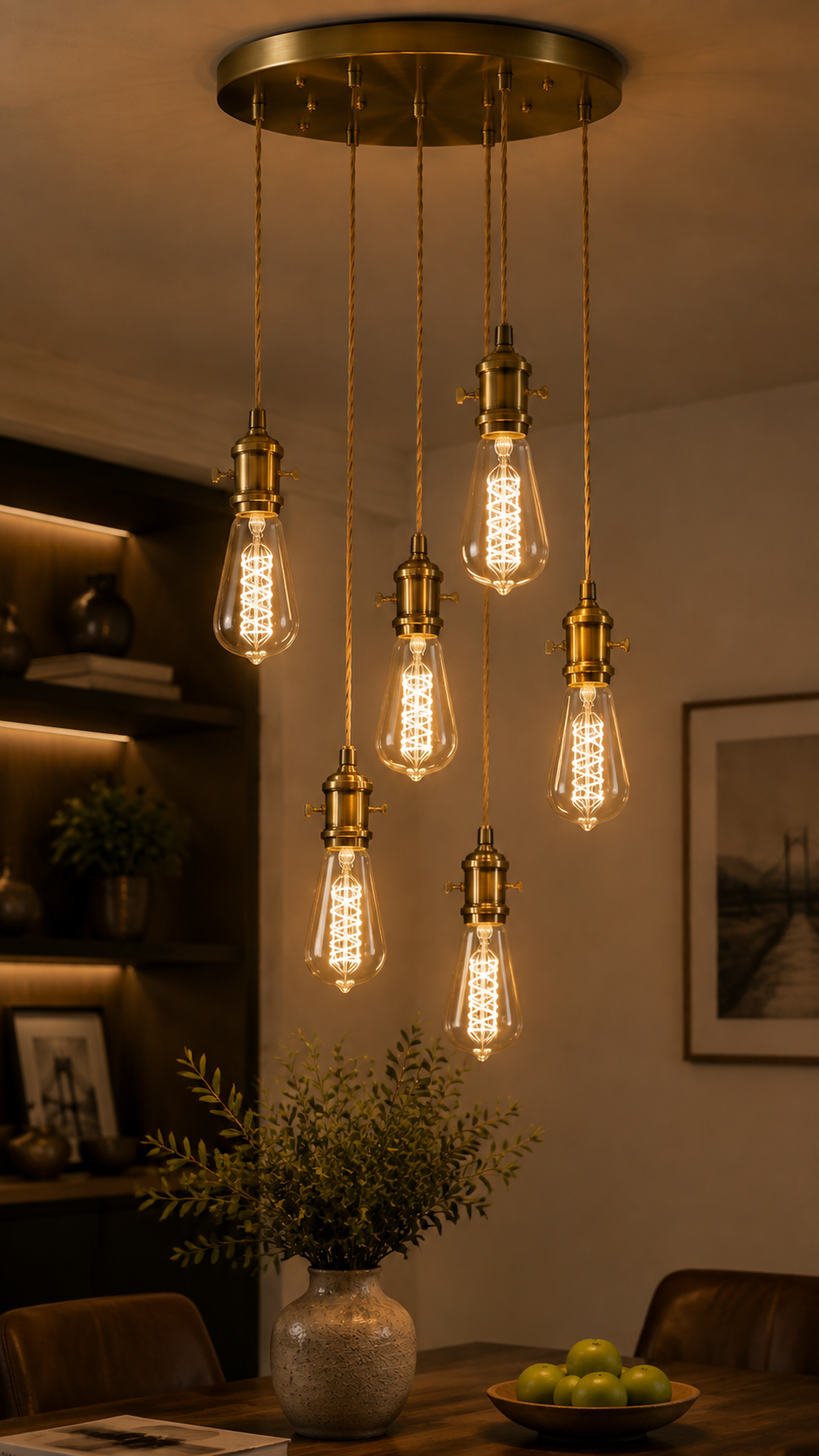
What Makes the Best Edison Bulbs for Restaurants?
When buyers ask for the best Edison bulbs for restaurants, they are usually looking for more than a vintage look. In practice, the right choice has to support dining comfort, brand image, maintenance planning, and consistent performance across the whole venue. A restaurant may use Edison-style lamps in pendants, wall fixtures, exposed sockets, bar areas, or feature zones, but not every bulb that looks attractive on a sample board will work well in real service conditions.
The best approach is to treat Edison bulbs as part of the lighting design, not as decorative accessories chosen at the end. That means checking the bulb shape, light appearance, compatibility with controls, and whether the lamp will be seen directly or through glass, metal, or fabric shading.
Start with the Dining Experience, Not the Product Photo
Restaurant lighting has to do two things at once: create atmosphere and support daily operations. Edison bulbs are often selected because they bring visible filament styling and a warmer visual character. That can be ideal for casual dining, bars, lounges, and heritage-inspired interiors. But if the bulb is too bright for its location, the visible source can distract guests. If it is too dim, the room may feel flat or underlit.
For this reason, buyers should ask where the bulb will be seen from and what it needs to do in that location. Overhead exposed lamps usually need more care with glare than accent lamps near walls or decorative niches. Table-adjacent fixtures often benefit from gentler output and better shielding. Open-plan restaurants may need different bulb choices in different zones, even when the visible style stays the same.
Key Selection Factors for Restaurant Use
1. Bulb form and visual proportion
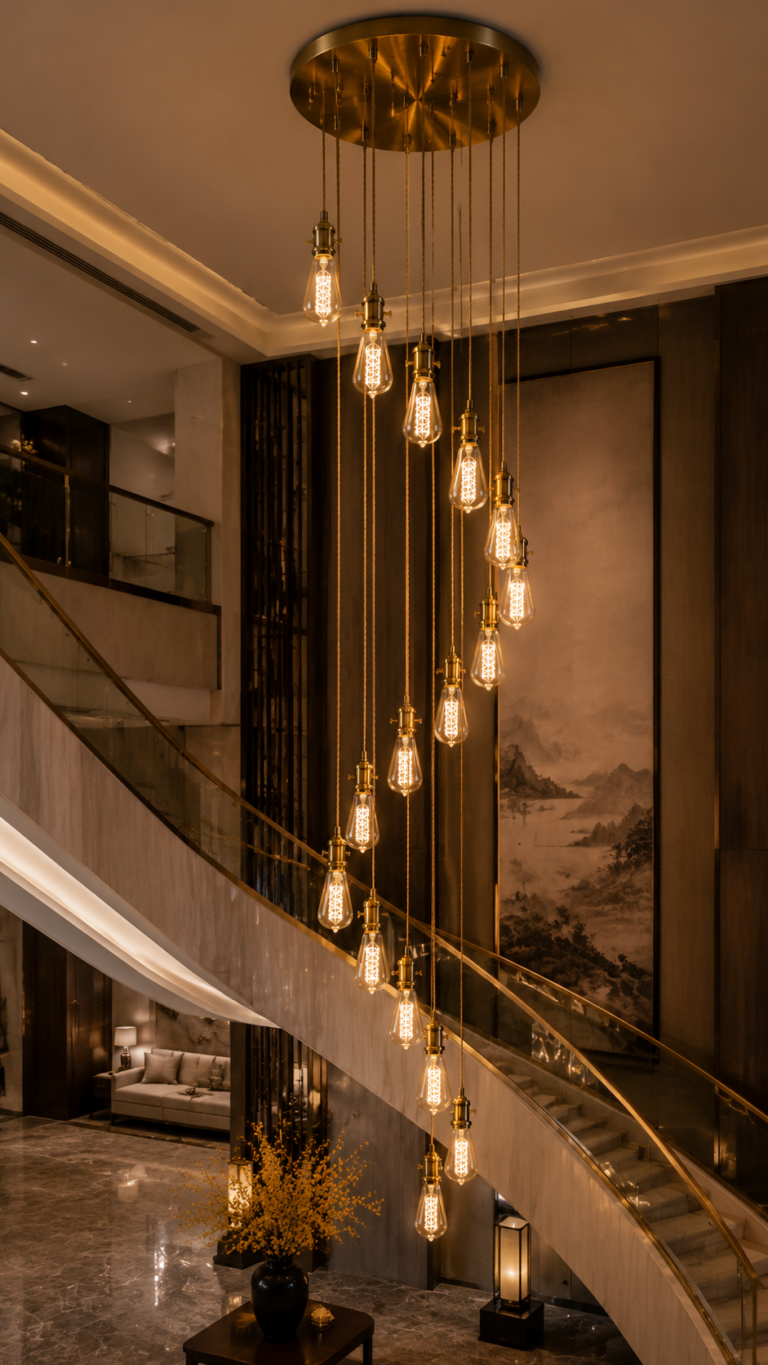
Choose a shape that matches the fixture. Long, narrow lamps can suit linear pendants and industrial fittings, while globe or teardrop forms may work better in open decorative applications. The bulb should feel balanced in the space, not oversized or lost inside the shade.
2. Glare control
Visible filament styling should not come at the cost of guest comfort. In open fixtures, the best Edison bulbs for restaurants are often those that soften direct view while preserving the decorative effect. Where the lamp is likely to be seen at eye level, a diffuser, shade, or careful mounting height can matter as much as the bulb itself.
3. Color appearance
Restaurants often prefer a warmer visual mood, but “warmer” should still be controlled. A lamp that appears too amber may make food look heavy or dull, while a cooler lamp can weaken the intended ambience. Always compare sample bulbs under the actual surfaces in the room: tables, menus, wall colors, and finishes all influence perception.
4. Dimming compatibility
Many hospitality projects rely on scene-setting through dimming. If the lighting system will be adjusted across lunch, dinner, and late-night service, the bulb must work smoothly with the selected control method. This is where dimmable LED bulbs can be valuable, but buyers should confirm compatibility with the exact dimmer and fixture combination rather than assuming all products behave the same.
5. Maintenance and repeatability
Restaurants need consistency. A one-off decorative bulb may look good in a sample, but large venues need repeatable supply, stable appearance, and practical replacement planning. This is especially important for chains, franchise operators, distributors, and installers who manage multiple sites. If you expect reorders, keep the selection narrow and document the exact style used in each zone.
How to Match Edison Bulbs to Different Restaurant Zones
| Restaurant zone | What matters most | Practical bulb approach |
|---|---|---|
| Dining area | Comfort, food presentation, consistent mood | Choose a balanced decorative lamp with controlled brightness and good dimming behavior |
| Bar counter | Visual interest, direct-view glare management | Use visible filament styling with attention to mounting height and shade geometry |
| Private dining | Refined ambience, scene flexibility | Prioritize dimming and a softer visual impression |
| Circulation and waiting areas | Orientation and atmosphere | Use decorative lamps sparingly so they support wayfinding without over-lighting the space |
This zone-based method helps buyers avoid choosing a single “best” bulb for every location. In many projects, the correct answer is a family of matching products, not one universal lamp.
Where Edison Bulbs Fit Within a Broader Lighting Plan
Edison-style lamps work best when they are part of a layered lighting concept. Ambient light, task light, and decorative accents should each have a role. If all visible light comes from exposed decorative bulbs, the space may lack flexibility. If all the lighting is hidden, the restaurant may lose character.
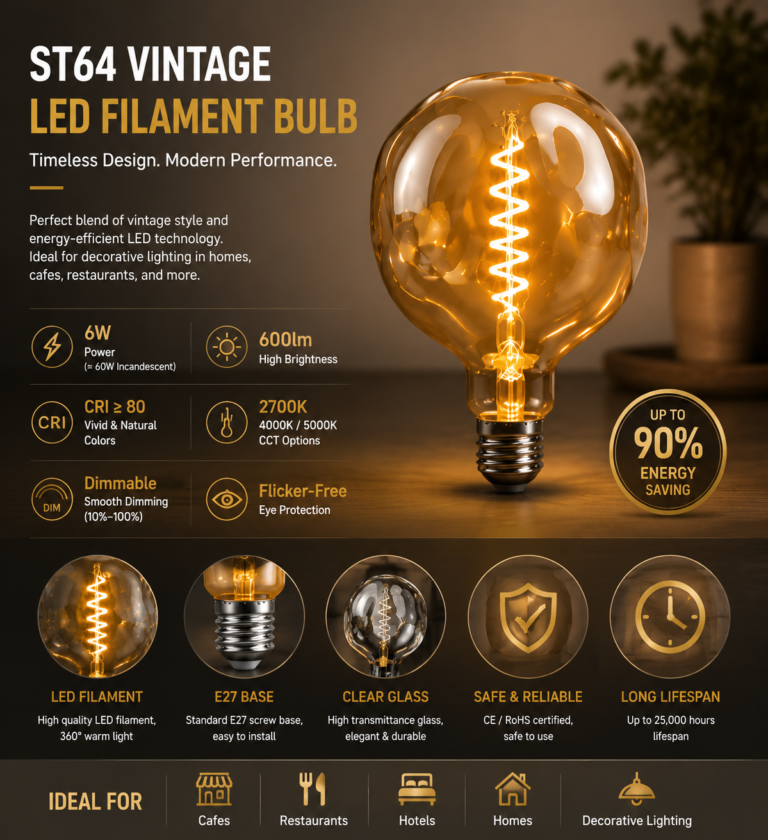
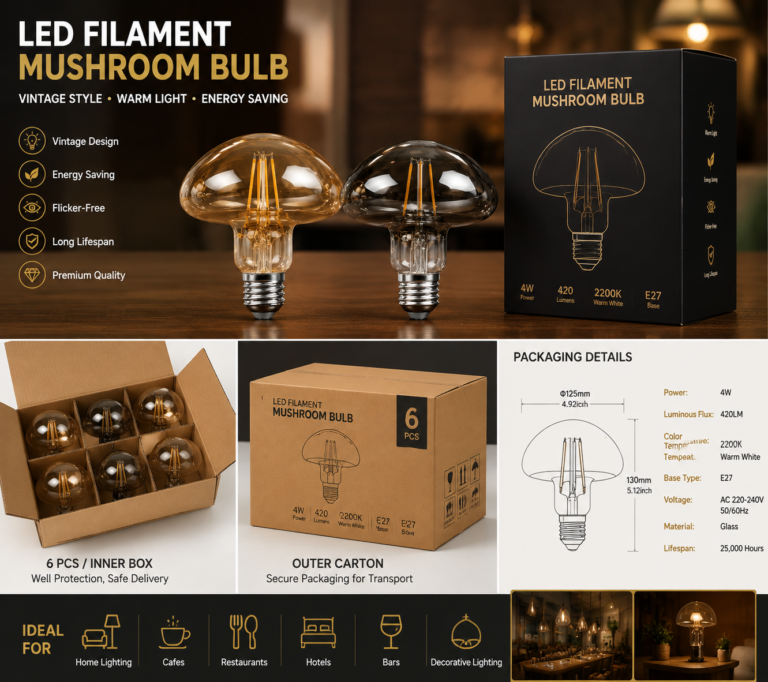
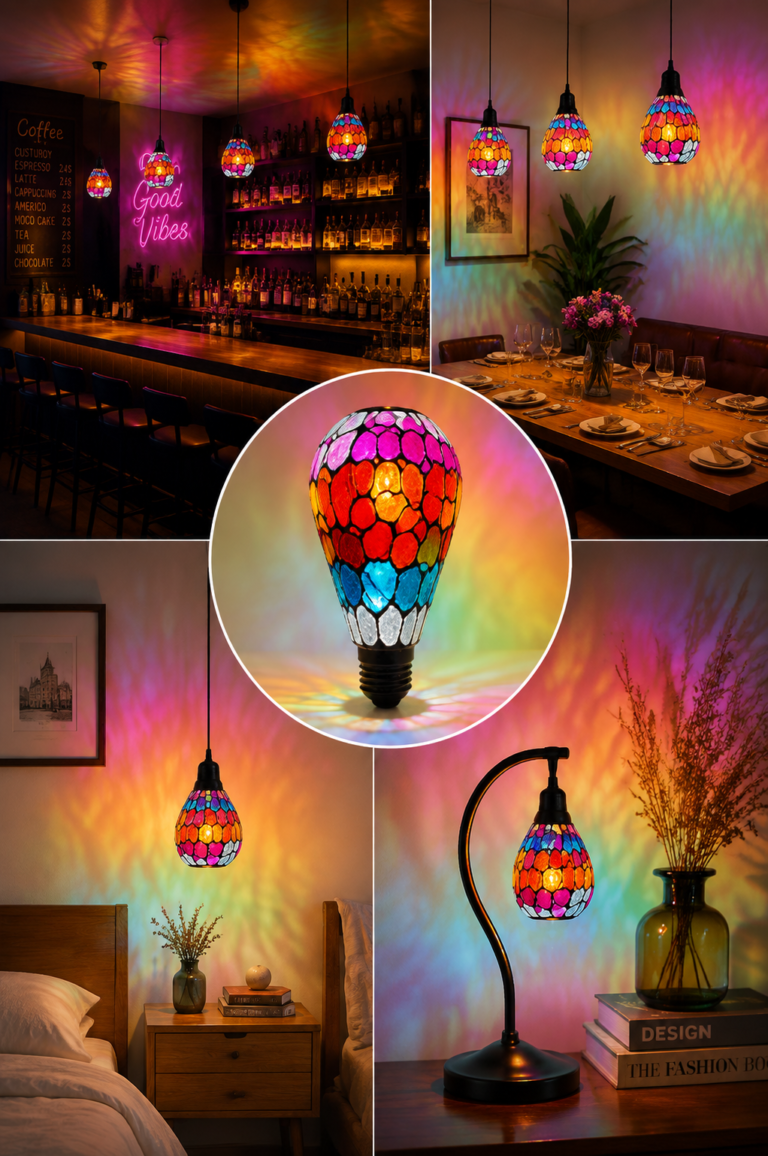
For many buyers, the right mix includes LED Edison Bulbs in feature fixtures, paired with other LED Bulbs where a less decorative source is acceptable. In concept-led interiors, Decorative LED Bulbs can help maintain a consistent visual language across public areas. If the project needs a broader decorative family, Decorative Light Bulbs may offer additional form options to review.
For buyers working in commercial lighting or hospitality lighting, this layered approach is usually more reliable than selecting a single eye-catching lamp and expecting it to solve every lighting requirement.
Common Buying Mistakes to Avoid
- Choosing by appearance alone and ignoring fixture compatibility.
- Overlooking glare when the bulb is visible at seated eye level.
- Assuming every decorative lamp will dim smoothly in every system.
- Using one bulb specification across all restaurant zones without testing.
- Failing to document the exact product for future replacement orders.
These mistakes are avoidable with a short specification process and one practical sample installation. That test should happen in the real fixture, in the real room, with the real control system.
Practical Next Steps for B2B Buyers and Installers
- Define the restaurant zones that need decorative visible lighting.
- Confirm whether the bulb will be fully exposed, partially shaded, or reflected.
- Check dimmer compatibility and control behavior before placing volume orders.
- Review the bulb’s shape, appearance, and replacement convenience together.
- Ask the supplier for exact specification details and confirm them against the project brief.
If you are sourcing for a restaurant rollout, keep the buying process disciplined. Request samples, test them in the intended fixture, and compare them under the actual interior finishes before approving the final set.
Conclusion
The best Edison bulbs for restaurants are not simply the most decorative ones. They are the bulbs that create the right atmosphere, reduce visual discomfort, support dimming where needed, and remain practical to source and replace. For international buyers, distributors, and installers, the safest path is to match bulb style to fixture, zone, and control system before committing to volume purchase.
If you are comparing options for a hospitality project, review the fixture conditions carefully and confirm specifications with the supplier before ordering.