Edison Bulb Buying Guide: How to Choose the Right Model
A practical Edison bulb buying guide for B2B buyers and informed consumers, covering fit, appearance, voltage, dimming, and common ordering checks.

Edison Bulb Buying Guide: Start with the Problem, Not the Shape
Choosing an Edison bulb is not only about vintage appearance. For international B2B buyers, distributors, installers, and informed consumers, the real task is to match the bulb to the fixture, electrical setup, and lighting effect the project needs. A good Edison bulb buying guide should begin with symptoms you want to avoid: a bulb that does not fit, looks too harsh, cannot dim correctly, or conflicts with the fixture’s voltage or base.
TITK focuses on LED filament bulbs and decorative LED bulbs for wholesale and project supply. Depending on the model, products may be available in different lamp bases, glass finishes, color temperatures, and voltage configurations. Before ordering, always confirm the exact specification for the selected model.
1. Symptom: The Bulb Looks Right, but the Fixture Does Not Work Properly
Likely causes
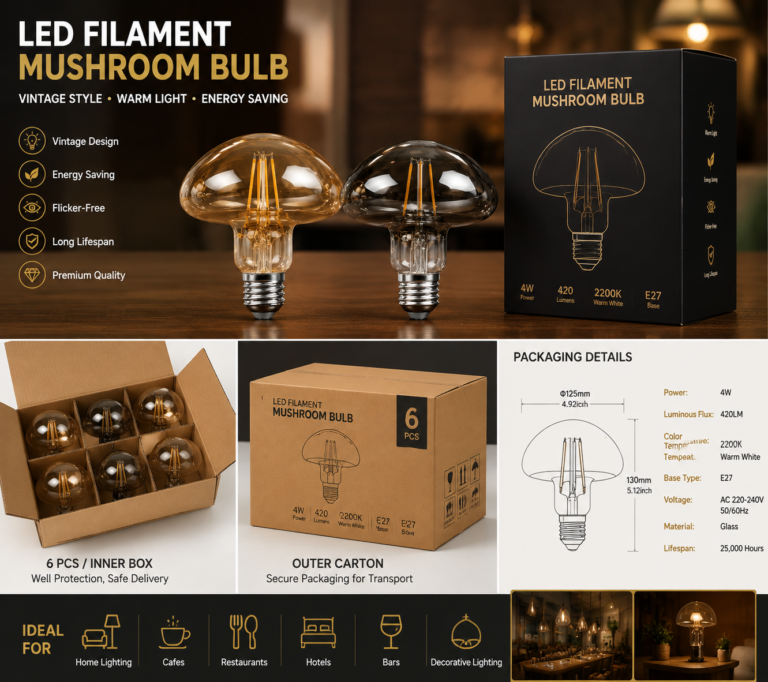
- The lamp base does not match the socket, such as E14, E26, E27, or B22.
- The bulb size is too large for the shade, cage, or decorative fixture.
- The voltage is not compatible with the application.
Checks to make
- Confirm the socket type before purchase.
- Measure the available space inside the fixture, especially for pendant lights, chandeliers, wall sconces, and table lamps.
- Check whether the product is designed for AC mains or low-voltage use.
Corrective action
Choose the Edison-style LED bulb only after the socket, dimensions, and voltage are confirmed. For low-voltage projects, never assume a low-voltage bulb can be connected directly to mains AC power.
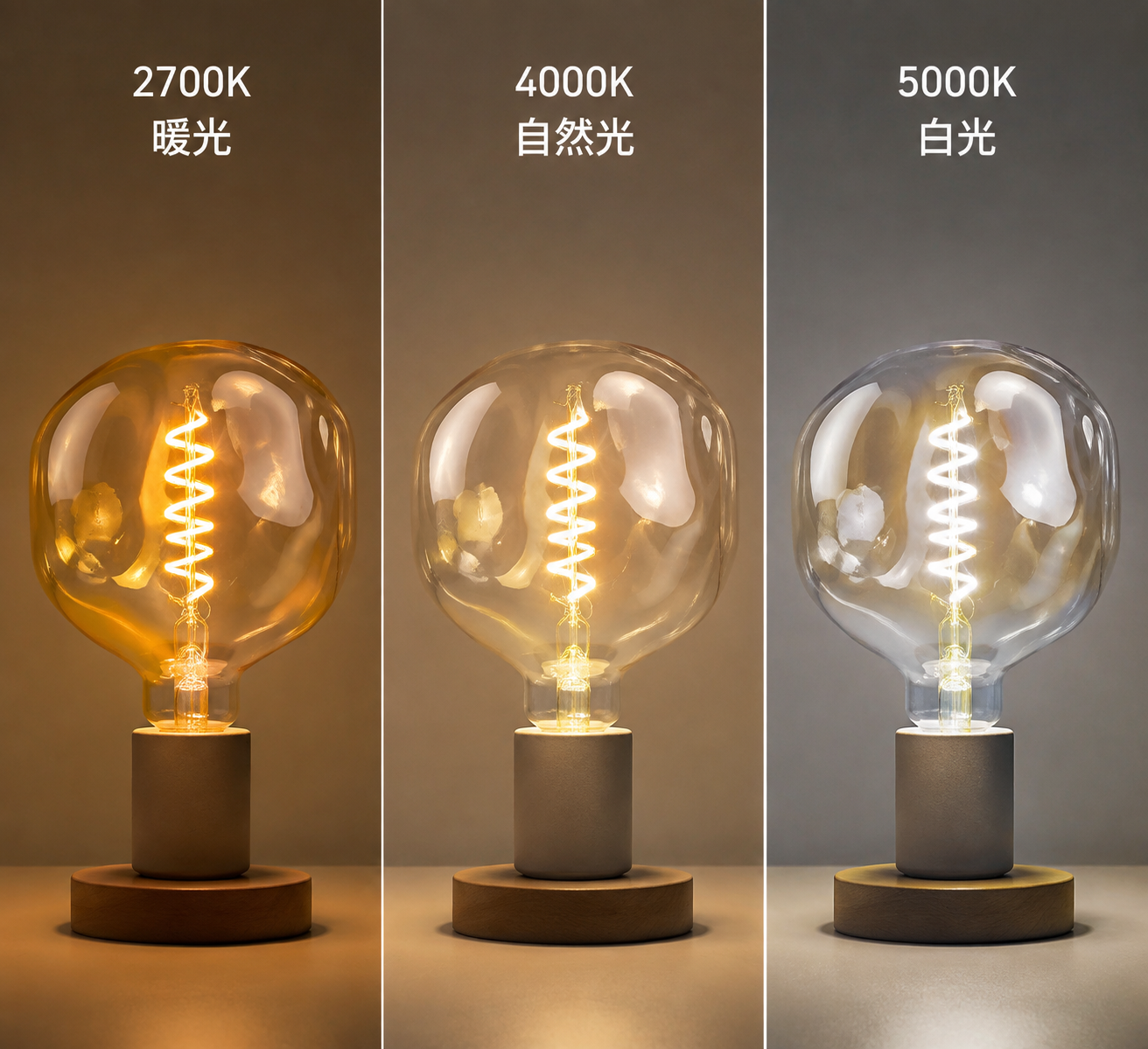
2. Symptom: The Light Is Too Warm, Too Cool, or Not Consistent
Likely causes
- The color temperature does not suit the application.
- The project uses mixed bulbs from different model families.
- Dual-CCT or adjustable CCT functionality may be required, depending on the design.
Checks to make
- Confirm the target atmosphere: relaxed, neutral, or brighter task-oriented lighting.
- Check the available color temperature options for the specific product model, such as 2200K, 2700K, 3000K, 4000K–4500K, or 6500K.
- Verify whether the bulb offers multiple modes or a fixed output.
Corrective action
For hospitality lighting and decorative interior use, the color temperature should be selected with the surrounding materials, fixture finish, and desired ambience in mind. If the project requires flexibility, ask whether tunable white lighting or another adjustable option is available for the specific model.
3. Symptom: Dimming Is Unstable or Unsatisfactory
Likely causes
- The bulb is not designed for dimming.
- The dimmer is not compatible with the bulb and control method.
- The installation mixes products with different driver behavior.
Checks to make
- Confirm whether the bulb is a dimmable LED bulb.
- Check the dimmer type used in the project.
- Ask whether smooth dimming is supported on the selected model.
Corrective action
When dimming matters, select a model intended for dimmable LED bulbs rather than assuming any vintage-style bulb will perform the same way. For project work, request the control method and confirm compatibility before shipment.
4. Symptom: The Bulb Looks Good on Paper, but Not in the Space
Likely causes
- The glass finish does not suit the fixture or interior style.
- The bulb shape is visually correct but proportionally wrong for the application.
- The decorative effect is different from the buyer’s expectation.
Checks to make
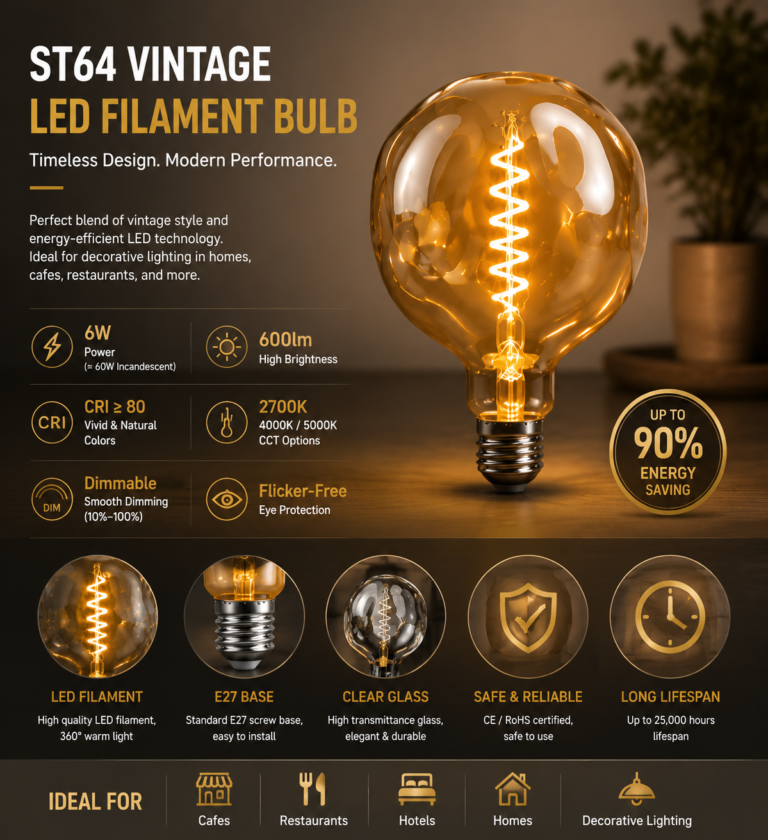
- Review the glass finish options available for the model, such as clear glass, amber tea glass, smoke grey glass, frosted glass, or milky glass.
- Confirm whether the application needs a visible filament look or a softer decorative effect.
- Compare the bulb shape with the fixture scale before ordering in volume.
Corrective action
For decorative lighting, appearance is part of function. In some projects, clear glass bulbs emphasize the filament design; in others, a softer finish is more suitable. If you are sourcing for retail or wholesale, review samples before full placement whenever possible.
How to Evaluate an Edison Bulb Before You Buy
Use this practical checklist to reduce ordering mistakes in wholesale LED bulbs and project sourcing.
| Check | Why it matters | What to confirm |
|---|---|---|
| Base type | Prevents socket mismatch | E14, E26, E27, or B22, depending on model |
| Voltage | Avoids compatibility problems | AC mains or low-voltage design for the specific product |
| Color temperature | Shapes the atmosphere | Fixed CCT or adjustable mode, depending on the bulb |
| Glass finish | Affects visual appearance | Clear, amber tea, smoke grey, frosted, or milky glass where available |
| Dimming | Supports control requirements | Whether the bulb is dimmable and what dimmer is suitable |
| Dimensions | Ensures physical fit | Diameter and height for the specific fixture |
When to Consider Specific Edison-Style Product Families
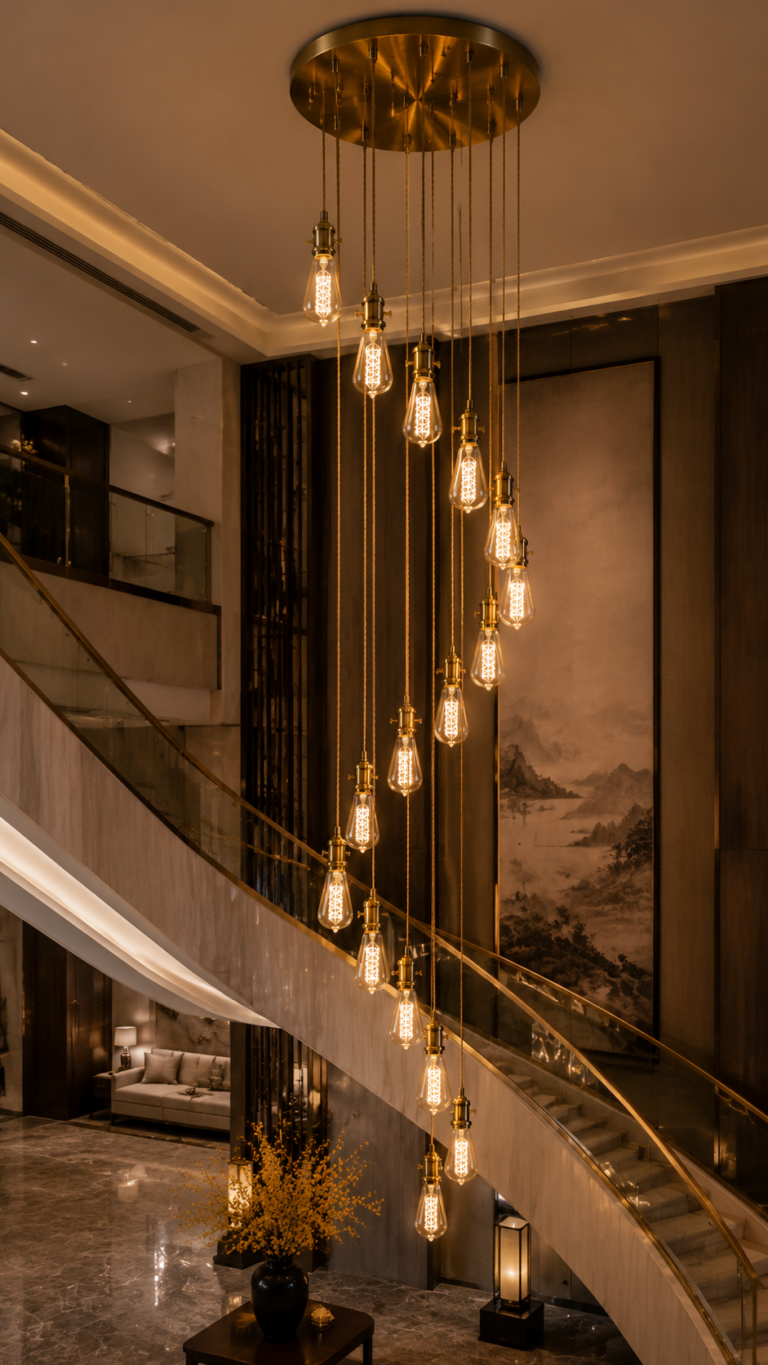
Different projects call for different decorative LED bulbs. For example, a standard vintage lamp may need a compact bulb, while a statement pendant may require a larger globe or elongated Edison form. TITK’s product range includes several decorative families, and buyers can review the available categories on the LED Edison Bulbs page or browse the full Products catalog.
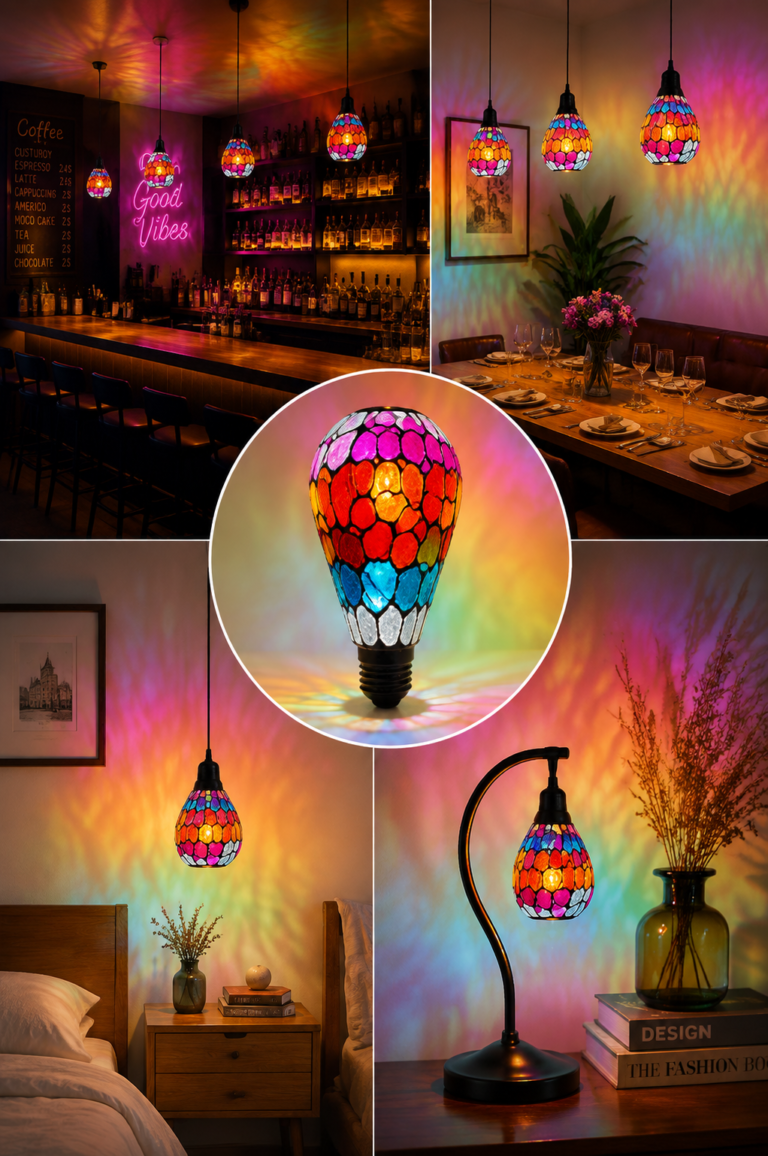
If your project needs a more expressive decorative effect, the G125 LED filament bulb vintage Edison globe design may be relevant for larger visual presence. For specialty decorative concepts, TITK also offers selected models such as the G95 Amber Edison Retro LED Filament Bulb, Romantic Double Happiness LED Decorative Light and C35拉尾4W LED Filament Bulb.
Buying Tips for Distributors, Installers, and OEM Buyers
If you source Edison bulbs for resale or projects, do not rely on appearance alone. Ask for the exact specification sheet and verify the following before ordering:
- Base type and voltage
- Glass finish and shape
- Color temperature and whether multiple modes are available
- Dimming or smart-control requirements
- Packaging and branding needs for OEM or ODM cooperation
TITK supports OEM and ODM cooperation for B2B customers, and customization may include product specifications, lamp base, input voltage, wattage, color temperature, glass finish, filament design, dimming functions, smart-control functions, product branding, private label, and packaging, depending on the project.
Final Check Before Ordering
The safest Edison bulb buying guide is simple: confirm the fixture, confirm the electrical requirements, and confirm the appearance you want in the space. That approach is especially important for wholesale LED bulbs, hospitality lighting, and decorative lighting projects where consistency matters across many units.
If you are evaluating a new project or comparing models, contact TITK to confirm voltage, base, and final specification before ordering.