How to Choose LED Bulbs for Hotels: A Practical Buyer’s Guide
A practical guide to choosing hotel LED bulbs by area, color temperature, dimming, base, glass finish, and lifecycle cost.

How to Choose LED Bulbs for Hotels
Choosing LED bulbs for hotels is not only a lighting decision. It is also a sourcing decision, a maintenance decision, and a guest-experience decision. The right bulb should suit the fixture, support the intended mood, and reduce avoidable replacement work over time. For international B2B buyers, distributors, installers, and informed consumers, the best approach is to match the bulb to the space instead of starting from a single “best” specification.
Hotels often use a mix of decorative accents and practical task lighting. That is why hotel lighting projects benefit from a clear selection method: define the room function, confirm the fixture constraints, and then choose the bulb family, base, voltage, finish, and control method. When you follow that sequence, the result is usually more consistent and easier to maintain.
Start with the hotel zone, not the bulb shape
Different hotel areas ask for different visual outcomes. Guest rooms, lobbies, corridors, restaurants, lounges, vanity areas, and decorative fixtures do not need the same lighting character. A bulb that works well in a chandelier may be wrong for a reading lamp. A warm decorative bulb may create the right ambience in a lobby, while a more neutral option may suit a work area better.
This is where lighting applications matter more than shape alone. In hotel projects, the bulb must fit the fixture physically and also support the desired atmosphere. If the space is meant to feel calm and intimate, choose a softer visual appearance. If the goal is clarity and easy orientation, choose a more functional output and a compatible control strategy.
Choose the right bulb family for the fixture
For many hotel interiors, LED filament bulbs are popular because they combine decorative appearance with modern efficiency-oriented operation. They work especially well in visible fixtures such as pendants, wall sconces, chandeliers, and table lamps. For more decorative installations, LED Filament Bulbs and Decorative LED Bulbs are often the first categories to review.
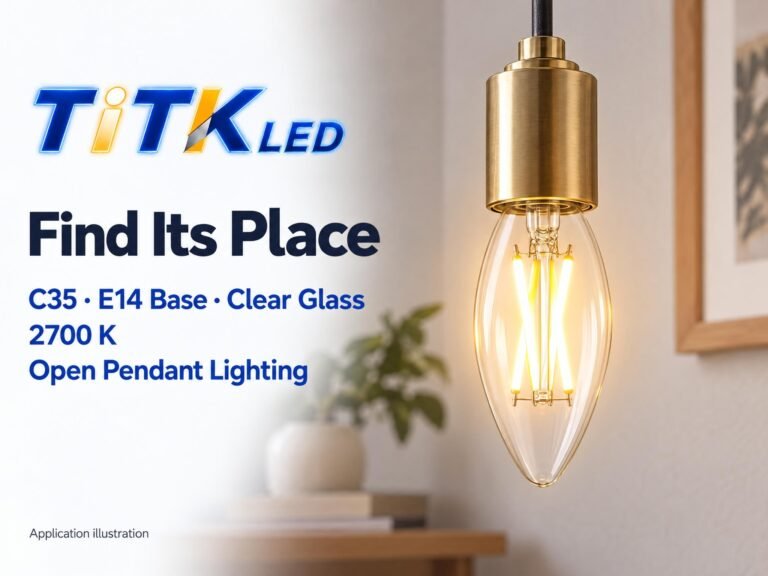
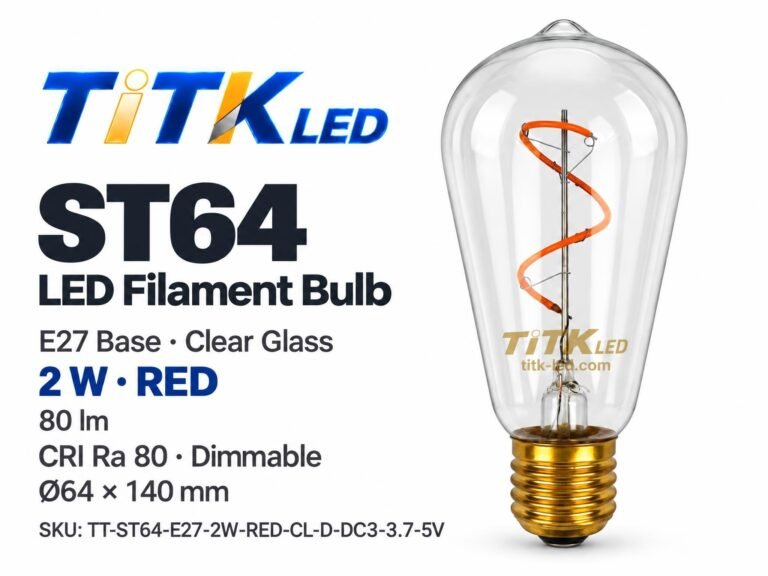
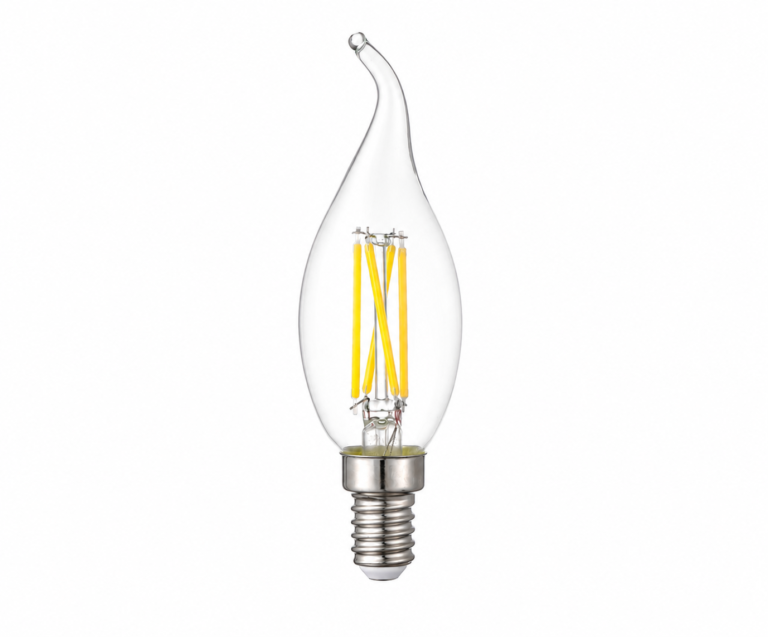
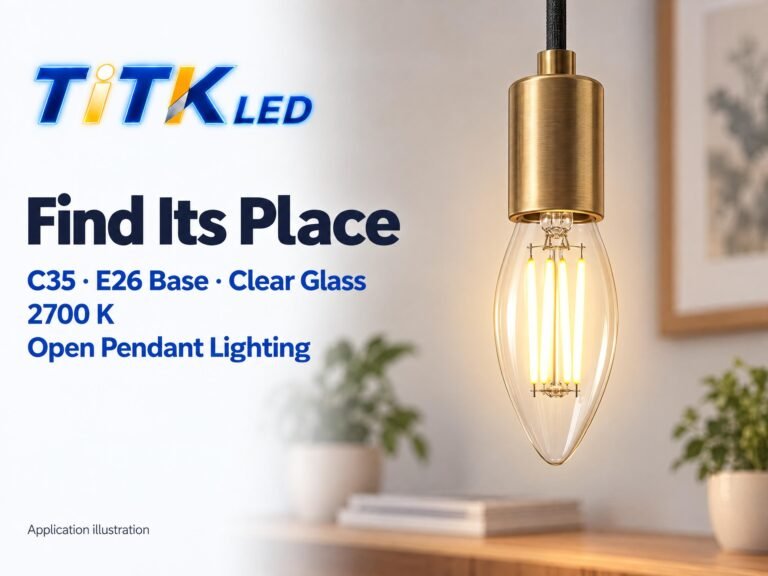
Within those families, the bulb shape should follow the fixture style. Candle shapes can suit chandeliers and classic wall fittings. Globe shapes often suit open decorative lamps and pendant fixtures. Edison-style forms are a natural fit where the bulb is meant to be seen as part of the design. For a hotel buyer, the goal is not to collect every shape, but to choose a few consistent options that suit the property’s design language.
Confirm base, voltage, and dimensions before ordering
Hotel sourcing often fails for simple reasons: the bulb base does not match the socket, the voltage is wrong for the market, or the bulb is too large for the shade or enclosure. TITK offers lamp base options depending on the product model and project requirements, including E14, E26, E27, and B22. Voltage configurations also vary by model, including AC 110–120 V, AC 220–240V, and selected low-voltage designs. Always confirm the individual specification before purchase.
That is especially important when planning regional purchasing for multiple countries. A single hotel brand may operate in markets with different electrical standards, so the buying team should not assume one configuration works everywhere. If the project includes mixed fixtures, ask the supplier to confirm base, input voltage, and physical size for each selected bulb.
Use color temperature to shape the guest experience
Color temperature is one of the most important decisions in hotel lighting because it strongly influences how a room feels. TITK models may be available in 2200K, 2700K, 3000K, 4000K–4500K, or 6500K depending on the model, and some products support multiple modes or adjustable CCT. In practical terms, warmer tones usually suit relaxed hospitality settings, while cooler tones can support brighter, more task-oriented spaces.
For guest rooms and many decorative zones, warm white is often preferred because it creates a softer visual impression. For service areas or spaces that need clearer visibility, a more neutral or cooler appearance may be useful. Rather than choosing by habit, match the color temperature to how the space should feel in the evening and how it should function during cleaning, check-in, or day use.
Consider dimming as a control strategy, not a feature add-on
Many hotel spaces need lighting that changes with time of day and occupancy. In those cases, dimmable LED bulbs are often more useful than fixed-output lamps because they support mood control and reduce the need to replace bulbs when the room use changes. Dimming is particularly relevant in guest rooms, lounges, restaurants, and decorative lobby fixtures.
TITK offers dimmable options on selected models, and some products also support smart-control functions or adjustable color temperature. If your project needs central control, remote control, or scene-based lighting, discuss the control method early so the bulb and the system are compatible. For buyers comparing decorative options, the Dimmable LED Bulbs category is a useful starting point.
Balance lifecycle cost instead of chasing the lowest unit price
Hotel buyers often compare unit price first, but the better decision usually comes from lifecycle cost thinking. That means asking how a bulb will affect replacement frequency, labor time, guest complaints, and inventory complexity. A bulb that is slightly more suitable for the fixture and control system can be easier to maintain than one that seems cheaper at the start.
Transparent qualitative reasoning matters here. If a bulb fits the socket properly, supports the right mood, and behaves well with the chosen dimmer or control system, the property is less likely to face avoidable maintenance work. That is one reason many procurement teams prefer standardizing on a small number of approved models instead of buying many similar-looking alternatives.
Use the finish and form to support the interior design
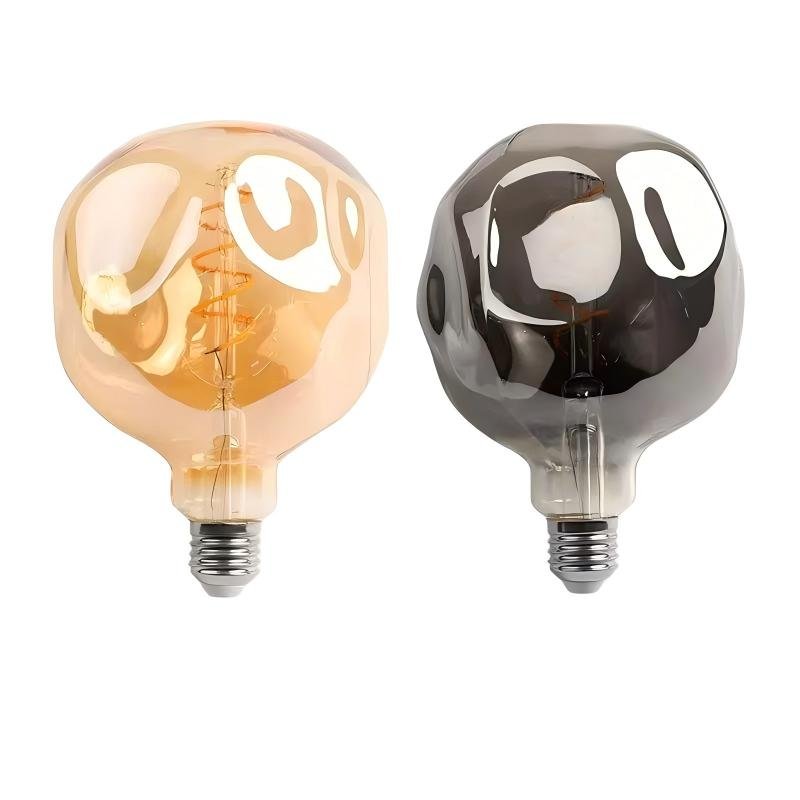
Glass finish can change the visual character of the bulb as much as the shape. Depending on the model, TITK glass options may include clear glass, amber tea glass, smoke grey glass, frosted glass, and milky glass. Clear glass is often chosen when the filament look should remain visible. Frosted or milky finishes can soften the appearance. Amber and smoke finishes may support a more decorative mood.
For visible hospitality fixtures, decorative lighting works best when the bulb complements the furniture, metal finish, shade material, and ceiling height. In other words, the bulb should not look like an afterthought. It should feel intentional within the interior concept.
A practical buyer checklist for hotel bulb sourcing
| Decision point | What to confirm | Why it matters |
|---|---|---|
| Fixture fit | Shape, dimensions, and socket clearance | Prevents installation issues and visual crowding |
| Electrical match | Base and voltage for the target market | Avoids incompatibility and ordering errors |
| Guest experience | Color temperature and dimming needs | Supports the intended mood and use case |
| Visual design | Glass finish and bulb style | Keeps the lighting consistent with the interior |
| Maintenance plan | Standardization and replacement strategy | Reduces stock complexity and service friction |
When to work with TITK
TITK is a professional B2B supplier and manufacturer focused on wholesale LED bulbs, especially LED filament bulbs and decorative LED bulbs for hospitality and commercial projects. The company supports OEM and ODM cooperation, and selected product models can be customized according to project requirements, including product specifications, lamp base, input voltage, wattage, color temperature, glass finish, filament design, dimming functions, smart-control functions, product branding, private label, and packaging.
If you are sourcing for a hotel project, ask TITK to confirm the final specification for the model you plan to use. This is the safest way to align the bulb with the fixture, the voltage standard, and the design brief before you place an order. You can also review the broader LED Bulbs range or the LED Edison Bulbs category when your project calls for a more visible vintage style.
In hotel sourcing, the best bulb is usually the one that fits the fixture, supports the guest experience, and simplifies long-term maintenance. If you need a quotation or want to discuss a hotel lighting project, contact TITK and confirm the final model specification before ordering.