Vintage Edison Bulbs Procurement and Selection Guide for B2B Buyers
A practical buying guide for vintage Edison bulbs that helps B2B buyers define requirements, compare options, assess sourcing risks, and ask better supplier questions.

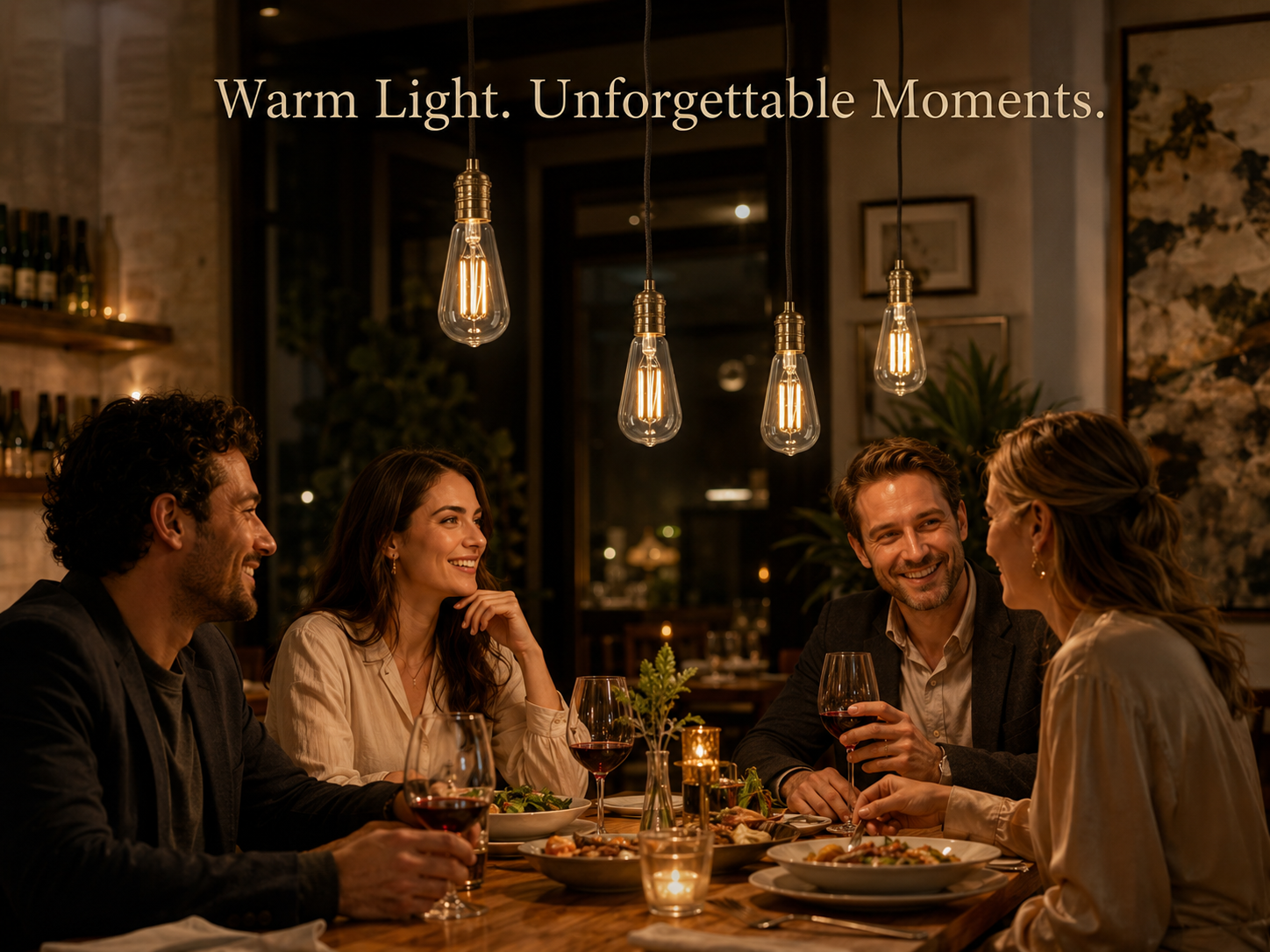
Vintage Edison Bulbs: A Practical Procurement Framework
Vintage Edison bulbs remain popular because they combine decorative appeal with flexible applications in hospitality, retail, residential, and project lighting. For B2B buyers, the challenge is not just choosing a visually attractive bulb. It is specifying the right base, voltage, glass finish, color temperature, dimming behavior, and packaging so the bulb works reliably in the target fixture and market.
This guide is written for buyers, distributors, installers, and informed consumers who need a clear way to compare Edison bulbs before placing an order. If you are sourcing from a manufacturer such as TITK LED Edison Bulbs, the best results usually come from defining your requirements first, then matching them to the available model options.
1. Define the Buying Requirements Before Comparing Samples
Start with the fixture and the application, not the bulb photo. Vintage Edison bulbs are often selected for pendant lights, chandeliers, table lamps, wall sconces, and decorative fixtures, but suitability depends on dimensions, socket type, voltage, and desired lighting effect.
Key requirement questions
- Which fixture will the bulb be used in?
- Which base is required: E14, E26, E27, or B22, depending on the model?
- Is the installation on mains AC or a low-voltage system?
- Do you need warm ambience, neutral light, or adjustable color temperature?
- Should the bulb be dimmable or smart-controlled?
- Do you need clear glass, amber tea glass, smoke grey glass, frosted glass, or milky glass?
These decisions matter because the same decorative form can behave very differently once it is installed. For example, a bulb that looks ideal on a product page may be too tall, too bright, or not compatible with the dimming system used on site.
2. Compare the Main Product Options by Use Case
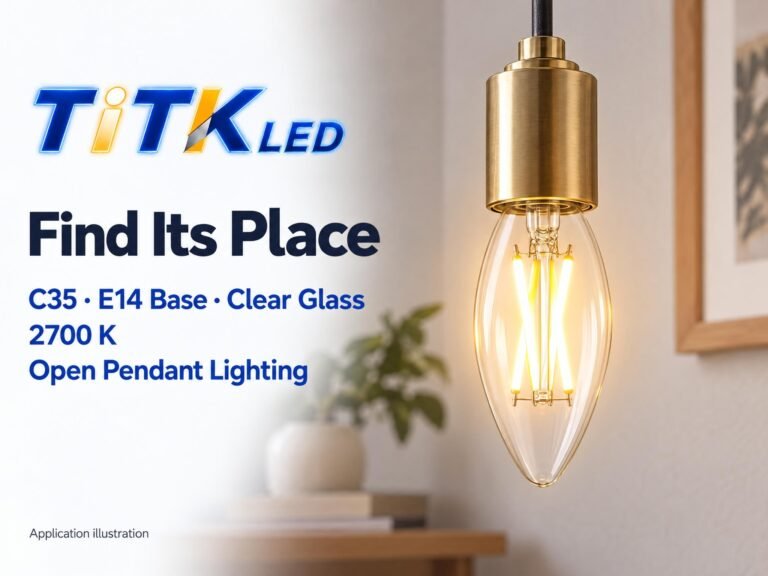
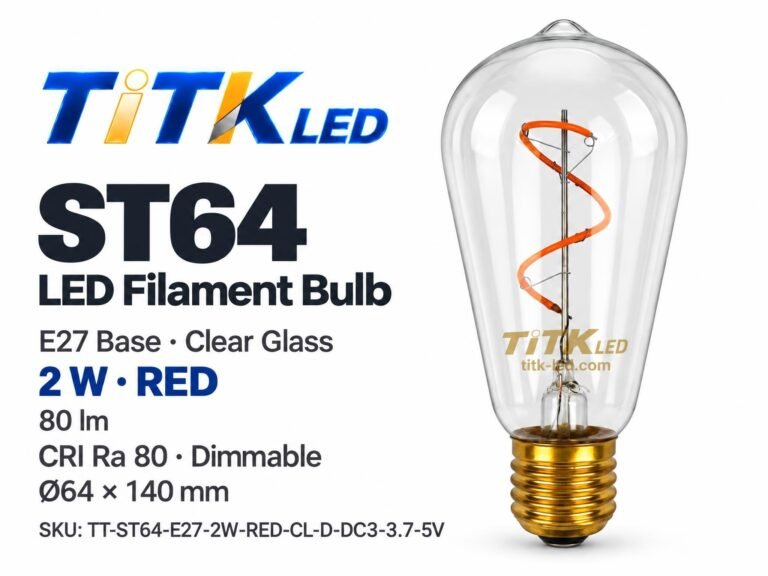
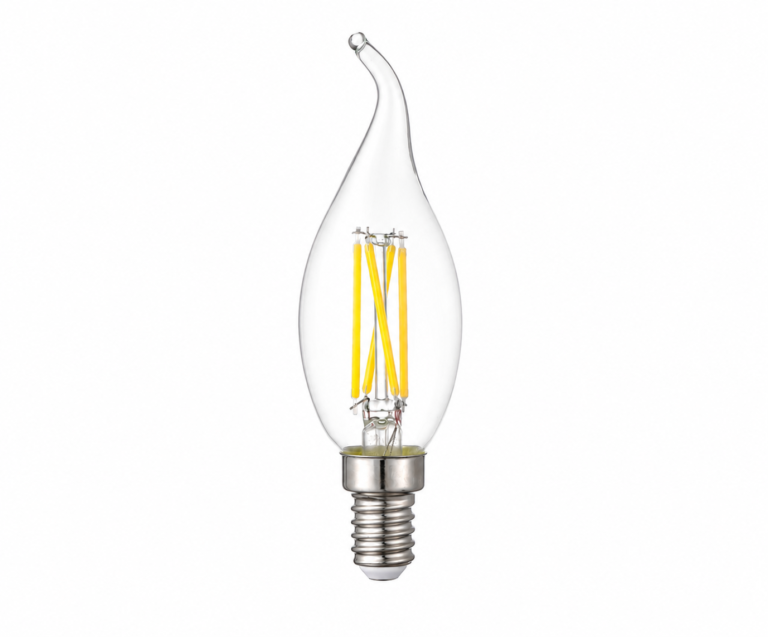
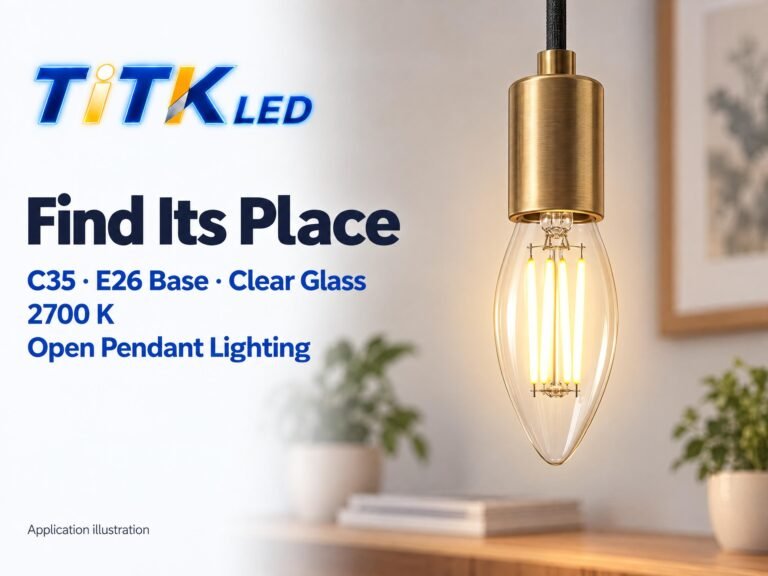
In sourcing, buyers should compare style families rather than only shape names. TITK’s product range includes LED filament bulbs and other decorative formats such as ST58, ST64, ST21, G45, G80, G95, G125, T30, C35, and A60 models. The right choice depends on visual style and application.
Common comparison points
| Selection point | Why it matters | What to confirm |
|---|---|---|
| Bulb shape | Determines visual style and fixture fit | Exact dimensions and whether the silhouette suits the fixture |
| Base type | Must match the socket | E14, E26, E27, or B22 as applicable |
| Glass finish | Changes the decorative look and light appearance | Clear, amber tea, smoke grey, frosted, or milky finish |
| Color temperature | Affects ambience | Model-specific options such as 2200K, 2700K, 3000K, 4000K–4500K, or 6500K |
| Dimming or smart control | Affects user experience and control method | Whether the selected model supports dimming or smart functions |
If your project needs a decorative bulb with a more traditional look, check the Decorative LED Bulbs category as well as dedicated Edison-style options. If dimming is important, verify compatibility early by reviewing Dimmable LED Bulbs before committing to a quotation.
3. Match Style to Application, Not Just to Trend
Vintage lighting works best when the bulb complements the fixture and room function. In restaurant lighting and hospitality lighting, buyers often want a warm decorative effect that supports atmosphere without drawing unwanted attention to the source of the light. In retail or residential interiors, the same bulb may need to balance visual character with practical brightness.
Application-led selection tips
- For pendant lighting: check height, bulb shape, and glass finish so the bulb remains attractive when exposed.
- For chandelier lighting: consider whether the bulb profile fits the overall ornamentation of the fixture.
- For wall sconce lighting: confirm the bulb does not protrude awkwardly or create glare.
- For table lamp lighting: check brightness, shade interaction, and visual warmth.
When the project calls for decorative candle-style solutions, it can also help to review LED Candle Bulbs alongside Edison-style products. This makes it easier to compare the look and function before ordering across multiple room types.
4. Identify the Main Sourcing Risks
Many procurement problems arise because buyers assume all vintage Edison bulbs are interchangeable. They are not. The most common sourcing risks are related to fit, voltage, control, and visual consistency.
Risk checklist
- Incorrect voltage: confirm AC 110–120 V, AC 220–240 V, or low-voltage configuration before purchase. Never assume a low-voltage bulb can be connected directly to mains power.
- Wrong base: verify the socket type on the fixture and the base on the bulb.
- Incompatible dimming: ask whether the bulb is designed for dimmable operation and what control method is expected.
- Color mismatch: if you are ordering for a multi-room project, confirm that the same color temperature is available across the needed models.
- Visual inconsistency: when the bulb is part of a branded or hospitality concept, confirm the glass finish and filament look across the order.
- Packaging risk: for distribution or project delivery, ask how the bulbs are packed to reduce handling damage in transit.
For B2B buyers, these risks are just as important as appearance. A bulb that looks right but fails on site creates avoidable replacement cost and delays.
5. Build a Supplier Question List
Good supplier questions help buyers compare quotations on the same basis. Use a written checklist so every offer can be judged consistently.
Questions to ask before confirming an order
- What exact model is being quoted?
- Which lamp base is available for this model?
- What voltage versions are available for the target market?
- Which glass finish is supported for this model?
- What color temperatures are available, and can multi-CCT or adjustable CCT be supplied if required?
- Is the bulb dimmable, smart, or standard only?
- Can OEM or ODM customization be supported for branding, packaging, filament design, or other project requirements?
- What specifications should be confirmed before final approval?
For wholesale LED bulbs, this type of questioning is especially important because small specification changes can affect both compatibility and resale positioning. Buyers who need broader product coverage can also compare the general LED Bulbs range to identify which formats fit the project mix best.
6. Use a Simple Comparison Method
A practical way to compare vintage Edison bulbs is to score each candidate on five points: fixture fit, visual style, electrical compatibility, control needs, and supply consistency. This keeps the decision focused on use case rather than catalog presentation.
What “good fit” usually means
- The bulb matches the socket and voltage of the fixture.
- The shape and glass finish support the intended design style.
- The light output and color temperature suit the room function.
- The bulb can work with the required dimming or smart-control setup, if applicable.
- The supplier can confirm the final specification for the exact model before ordering.
For buyers managing multiple locations or resale channels, this method also helps standardize repeat orders. That is particularly useful when sourcing decorative lighting across different market preferences and electrical standards.
Conclusion: Buy the Specification, Not Only the Style
Vintage Edison bulbs are easy to admire and easy to mis-specify. The safest procurement approach is to define the application first, then confirm the base, voltage, glass finish, color temperature, and control method before placing the order. This is the best way to reduce sourcing risk and avoid mismatches during installation.
If you are planning a wholesale or project order, you can request a quotation, ask about OEM/ODM options, and confirm the final specification with TITK before ordering. For many buyers, that single step prevents more issues than any later correction.