Statement Lighting with Oversized Bulbs: A Practical Buying Guide
A practical guide to using oversized bulbs in statement lighting, with selection tips on form, fit, dimming, color temperature, and sourcing.

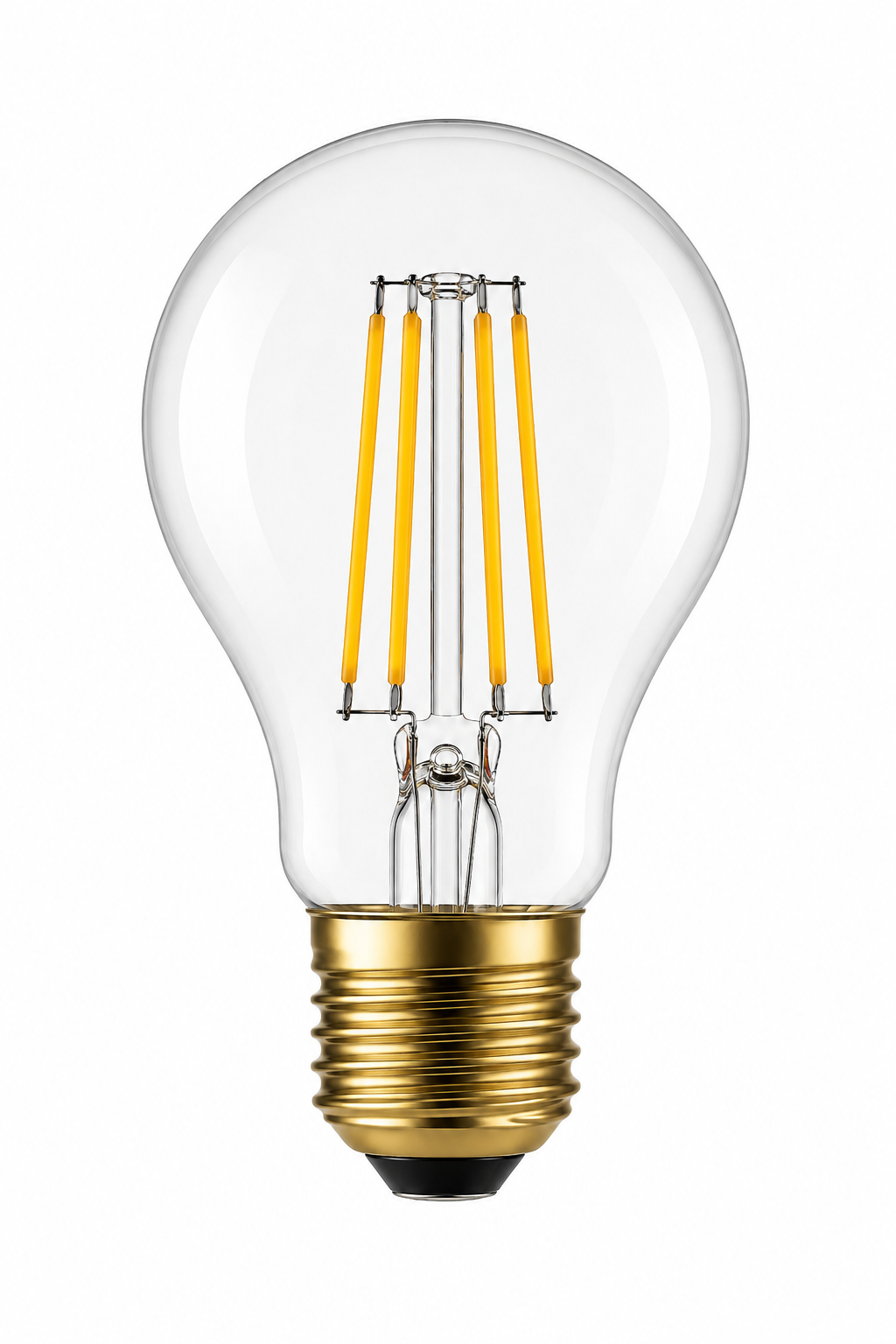
Statement lighting with oversized bulbs is popular because it does two jobs at once: it provides light and becomes part of the visual design. In restaurants, retail displays, reception areas, residential living spaces, and architectural interiors, a large bulb can help a fixture read as intentional rather than purely functional.
For buyers, the challenge is not choosing something that looks dramatic in a photo. The real task is matching the bulb shape, base, voltage, and light quality to the fixture and the space. That is especially important when sourcing for multiple sites, because a bulb that works in one pendant or chandelier may not suit another.
Why oversized bulbs work so well in statement lighting
Oversized bulbs create presence. Their larger glass volume makes the bulb visible from across a room, even when the fixture itself is simple. This is useful when the design goal is to turn a pendant, wall sconce, or cluster installation into a focal point.
They are also a practical option when the lamp is exposed. In that case, the bulb is not hidden by a shade, so the glass shape, filament style, and finish become part of the interior language. Decorative lighting often depends on this balance between appearance and performance.
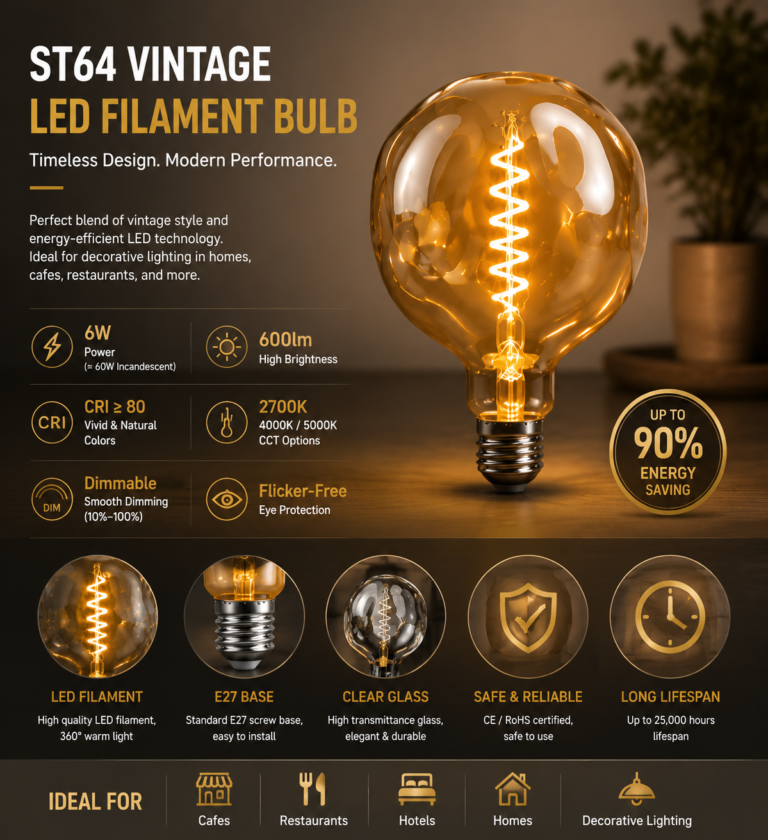
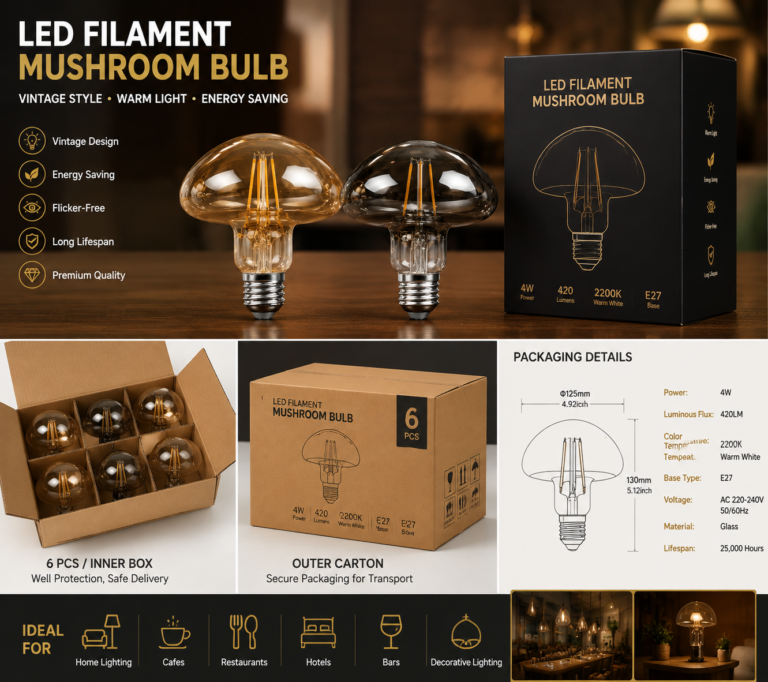
For projects that need a broad decorative range, TITK offers product families including globe bulbs, Edison-style bulbs, tubular bulbs, and other decorative LED bulbs. You can explore the general range through LED Bulbs or look specifically at Decorative LED Bulbs.
Start with the fixture, not the bulb photo
The biggest sourcing mistake is to choose a statement bulb first and check the fixture later. A better method is to evaluate the fixture’s physical and electrical limits before selecting the bulb.
- Base type: confirm E14, E26, E27, or B22 as required by the fixture and market.
- Available space: check whether the bulb can sit comfortably without hitting glass shades, cages, or nearby surfaces.
- Voltage: confirm the correct voltage for the specific model before ordering.
- Visibility: decide how much of the bulb will be seen from normal viewing height.
These checks matter for commercial lighting and residential projects alike. In a pendant cluster, for example, an oversized bulb may be the dominant visual element; in a wall sconce, it may need to balance with the arm, shade, and mounting height.
Choose the bulb family for the visual effect you want
Different bulb shapes create different moods. Globe bulbs usually feel soft and architectural. Edison-style bulbs communicate a more vintage or industrial character. Tubular bulbs are often used when the design needs a slimmer, elongated profile.
For buyers working on vintage lighting concepts, the shape should support the broader interior theme rather than compete with it. For a cleaner contemporary look, a clear oversized globe may work better than a highly ornate filament pattern.
If you are sourcing for multiple decorative applications, TITK’s Decorative Light Bulbs category is a useful starting point for comparing formats by fixture style and project use.
Light quality still matters in a decorative bulb
Statement lighting is visual, but it still has to serve the room. Color temperature, CRI, and dimming behavior can strongly affect how a large bulb performs in daily use.
Depending on the model, TITK LED filament bulbs and decorative LED bulbs may be available in color temperatures such as 2200K, 2700K, 3000K, 4000K–4500K, or 6500K. Some models also support adjustable CCT. The right choice depends on the intended atmosphere and the surrounding materials.
Warm white lighting is often preferred where comfort and ambience matter most, while cooler options may be selected for task-driven or modern interiors. For project consistency, confirm the actual color temperature by model before ordering.
If the installation requires dimming, look for a model that is designed for that function. TITK also offers Dimmable LED Bulbs for selected applications. As always, confirm compatibility with the fixture and control system before purchase.
Oversized bulbs for hospitality and retail projects
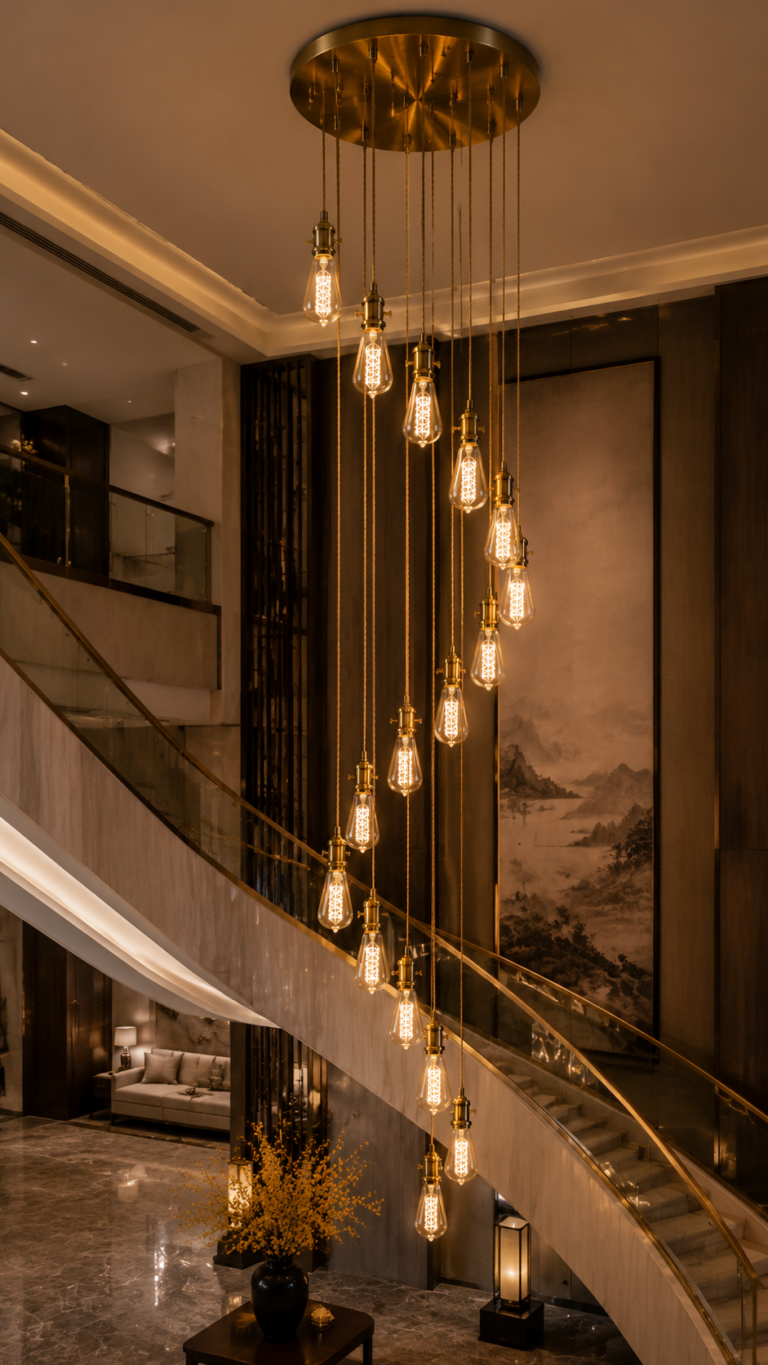
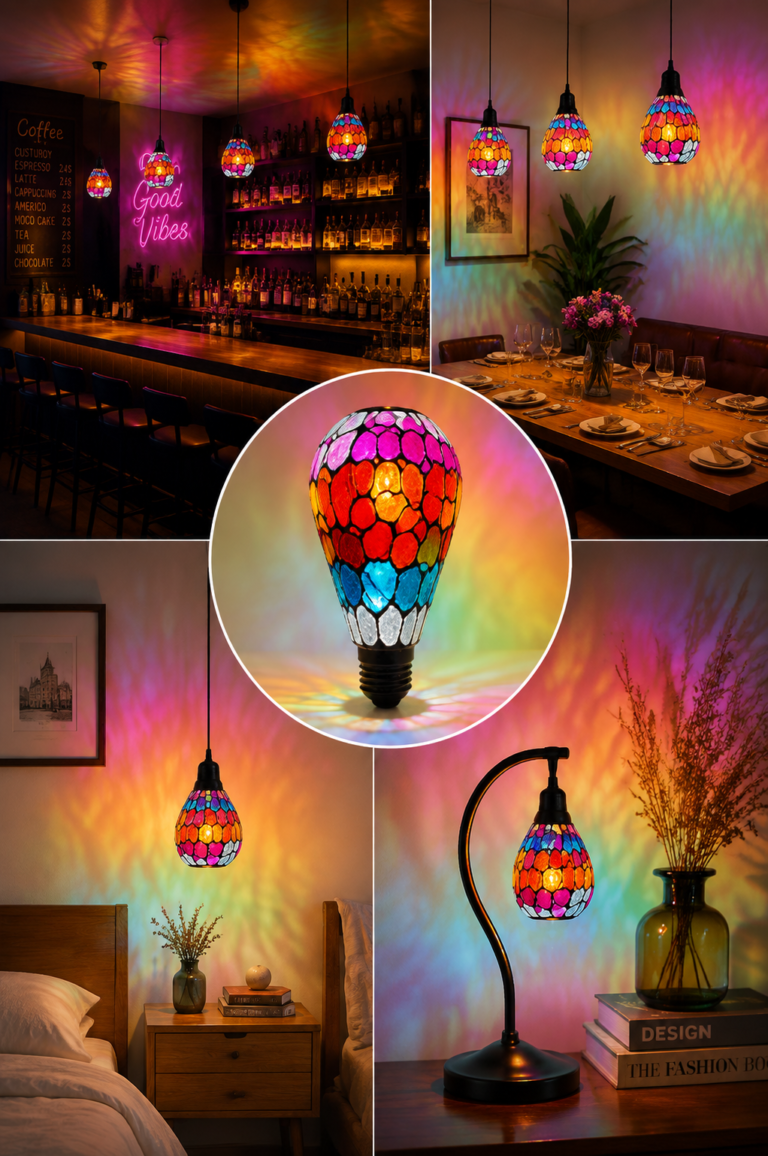
In hospitality and retail, oversized bulbs often help create a memorable first impression without adding visual clutter. They can work in lobby pendants, bar areas, café ceilings, boutique displays, and feature walls when the decorative goal is to make the lighting part of the brand image.
This is one reason oversized bulbs are common in hospitality lighting. They offer a clear decorative cue, can be used in repeated compositions, and are easy for customers to read visually in a space.
For buyers sourcing by application, TITK’s Decorative Lighting category can help narrow the selection when the project brief is focused on atmosphere and appearance rather than purely utilitarian output.
What B2B buyers should confirm before ordering
Oversized bulbs can look simple, but procurement should still be precise. Before placing an order, confirm the following points for the specific model:
- Base and voltage match the fixture and local market.
- Bulb dimensions fit the lamp, pendant, or chandelier.
- Glass finish supports the visual concept, whether clear glass, amber tea glass, smoke grey glass, frosted glass, or milky glass depending on the model.
- Color temperature suits the mood required in the space.
- Dimming or smart functions are actually needed for the project.
- Packaging and branding are aligned with wholesale or private label requirements if applicable.
For many buyers, LED bulb sourcing is not only about appearance but also about specification control across repeat orders. That is especially true for distributors, installers, lighting brands, and OEM/ODM customers.
How to think about oversized bulbs in a multi-site rollout
When a design is being repeated across several locations, consistency becomes more important than novelty. The bulb should be easy to specify, easy to replace, and suitable for the same fixture family across projects.
That is where LED filament bulbs are often useful: they provide a decorative look while remaining practical for wholesale supply. Depending on the model, TITK supports OEM and ODM cooperation, with customization options that may include product specifications, lamp base, input voltage, wattage, color temperature, glass finish, filament design, dimming functions, smart-control functions, branding, private label, and packaging. Final feasibility should always be confirmed according to the project.
Conclusion
Statement lighting with oversized bulbs works best when design and specification move together. Choose the shape for the visual effect, then confirm the base, voltage, dimensions, color temperature, and function for the actual fixture. That approach reduces costly mismatches and makes the finished space feel deliberate.
If you are planning a commercial, hospitality, retail, or residential project, contact TITK to discuss the model, base, voltage, and customization options that fit your application. Please confirm final specifications with the supplier before ordering.