LED Bulbs for Lighting Brands: A Practical Design Guide
A practical guide for lighting brands choosing LED bulbs by visual effect, bulb form, color temperature, distribution, and application constraints.

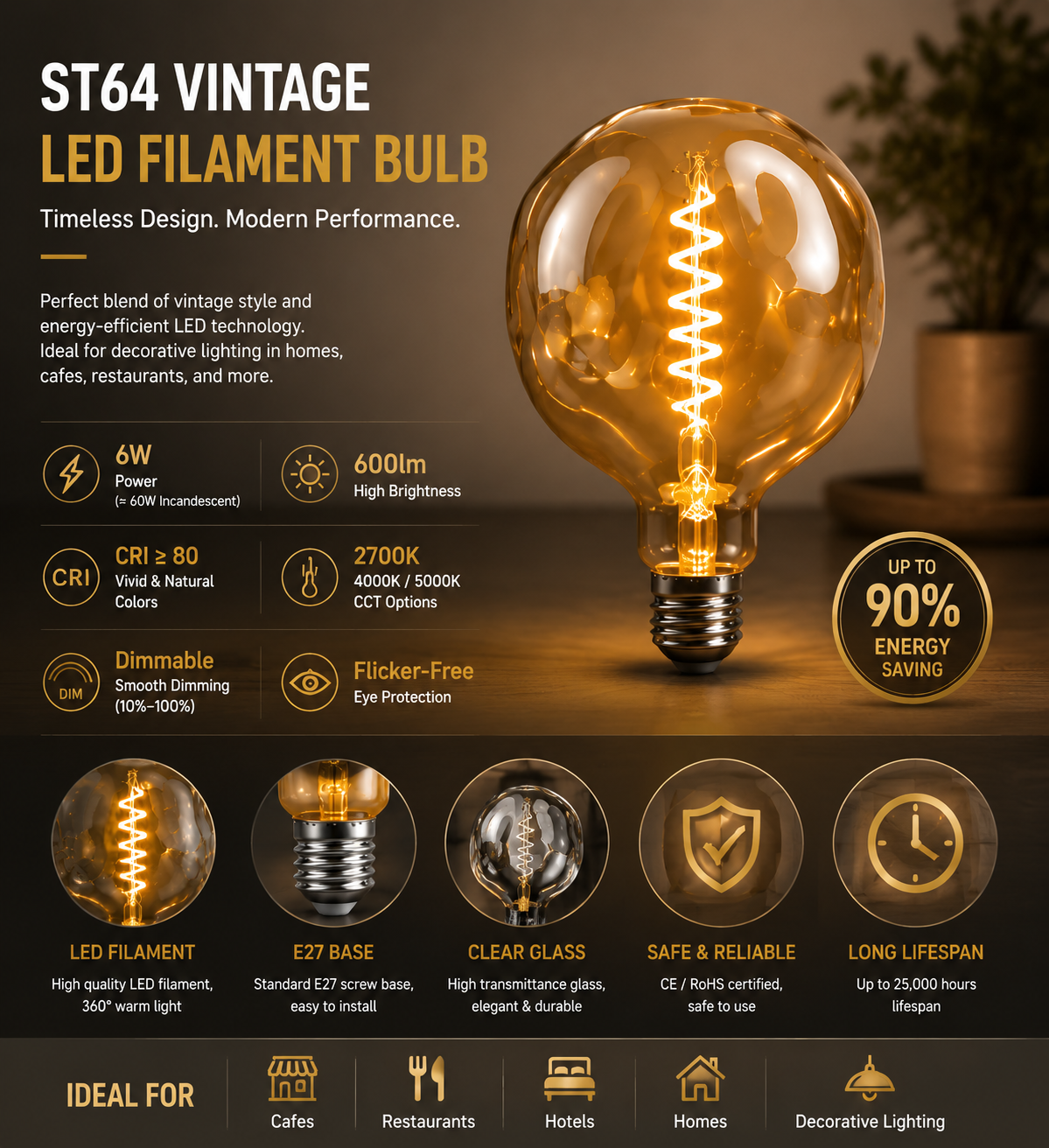
LED Bulbs for Lighting Brands: Start with the Visual Goal
For lighting brands, the right bulb is not only a source of light. It is part of the product story. A clear decorative bulb, a soft frosted model, or a vintage Edison-style shape can change how a fixture feels before the customer even switches it on.
When selecting LED bulbs for lighting brands, start with the visual goal. Do you want the bulb to disappear into the fixture, or remain visible as a design element? Is the brand aiming for warm residential comfort, a cleaner commercial look, or a more decorative atmosphere? These questions should guide every later choice, from bulb form to color temperature.
TITK focuses on LED filament bulbs and related decorative models for wholesale and OEM/ODM cooperation. For brands, that matters because the bulb must work not just as a component, but as part of the final product identity.
Choose Bulb Form to Match the Fixture and Brand Language
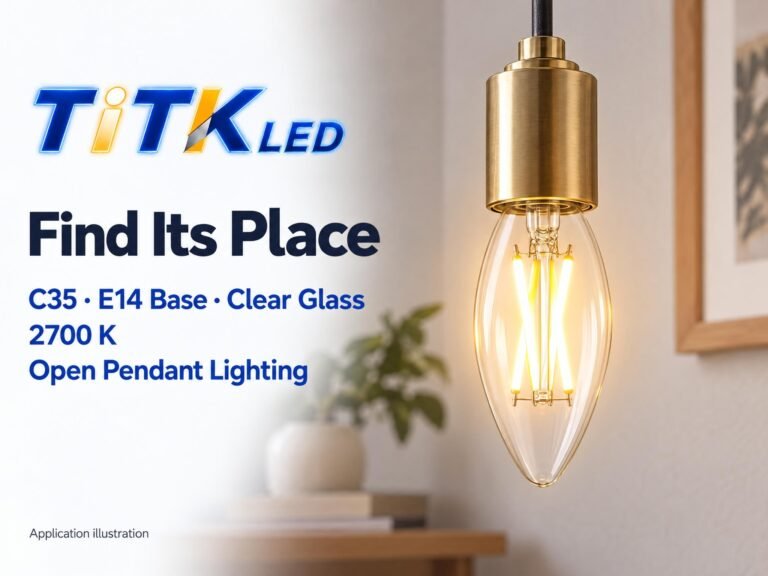
Bulb form changes both appearance and application. A candle shape, globe shape, Edison shape, or tubular form each creates a different visual rhythm inside the fixture.
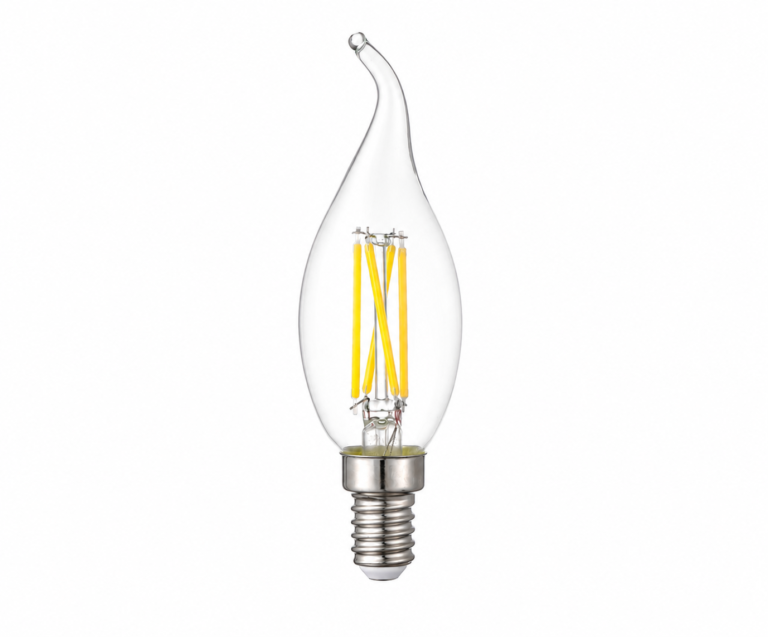
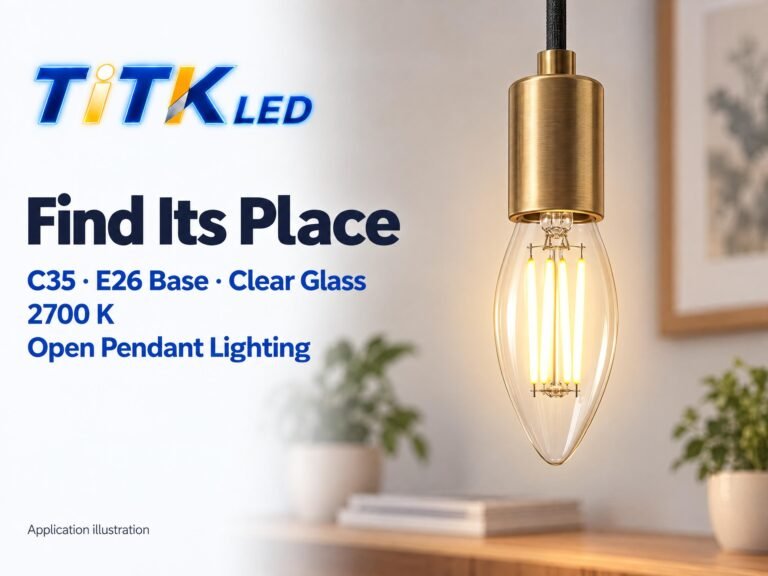
- Candle bulbs are often used where the fixture has a refined or vertical profile.
- Globe bulbs are useful when the bulb is intended to be seen prominently.
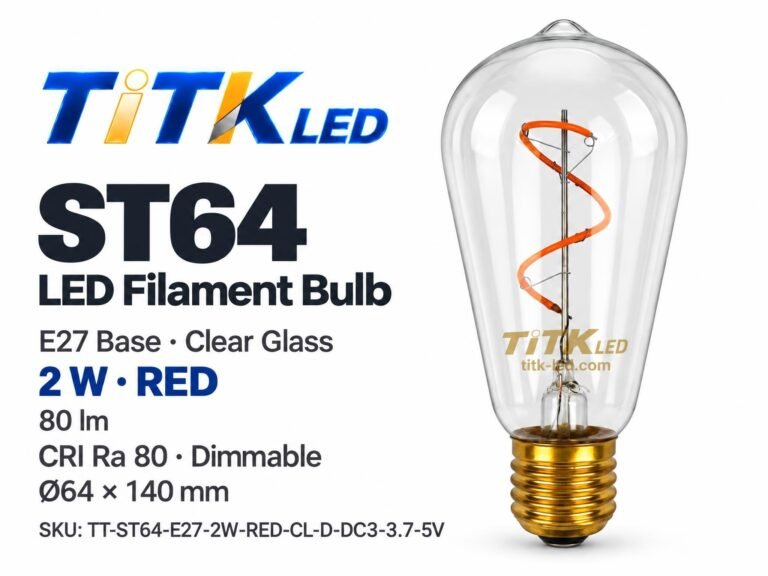
- Edison bulbs support a more vintage or industrial impression.
- Tubular bulbs can suit slimmer decorative layouts.
Brands should evaluate the shape together with the fixture opening, lamp position, and overall design language. A bulb may look strong in catalog photography but feel oversized or underwhelming once installed. That is why physical dimensions, not only visual style, must be reviewed before a product is selected.
If your range includes decorative statement products, TITK also offers Decorative LED Bulbs for selected applications. For more shape-driven sourcing, see the broader family of LED Globe Bulbs.
Color Temperature Sets the Mood More Than Many Buyers Expect
Color temperature is one of the fastest ways to align a bulb with a brand position. Warm tones usually support comfort and intimacy, while cooler tones can feel cleaner and more task-oriented.
Depending on the model, TITK LED bulbs may be available in 2200K, 2700K, 3000K, 4000K–4500K, or 6500K, and some models support multiple color temperatures or adjustable CCT. This is especially useful for brands that want one fixture family to work across different markets or room types.
| Design goal | Typical direction | Practical note |
|---|---|---|
| Relaxed ambience | Warm white | Often suits residential and hospitality settings |
| Balanced everyday use | Neutral white | Useful where appearance and function both matter |
| Cleaner task-oriented feel | Cooler white | May fit utility or modern commercial concepts |
There is no universal best choice. The right color temperature depends on the fixture, material palette, and expected use of the space.
Distribution Shape Determines Where the Light Lands
Many buyers focus on brightness first, but distribution is equally important. A bulb can produce light in a way that feels too direct, too narrow, or too diffused for the fixture.
In practical lighting design, distribution should be considered alongside bulb form and glass finish. Clear glass may emphasize visible filament structure. Frosted or milky glass can soften appearance. Amber tea glass and smoke grey glass create different decorative effects and may change how the bulb is perceived in the daytime even before it is lit.
For a lighting brand, the key question is simple: should the bulb contribute visual sparkle, soft comfort, or a more controlled appearance? The answer affects not only the bulb selection, but also how the entire product range reads in a showroom or catalog.
Application Constraints Can Rule Out a Good-looking Bulb
A bulb that looks ideal on paper may still be unsuitable for a real fixture. The most common constraints are base type, voltage, wattage, dimensions, and installation space.
Depending on the product model and project requirements, TITK lamp bases may include E14, E26, E27, or B22. Voltage also varies by model, including AC 110–120 V, AC 220–240V, and selected DC low-voltage applications. Buyers should confirm the individual specification before ordering, because a low-voltage bulb must never be assumed to work on mains AC power.
This matters for brands and distributors because the same visual style may need different electrical versions for different markets. Even when the bulb shape is identical, the final configuration should still be matched to the target fixture and region.
Checklist for application fit
- Fixture type and available space
- Lamp base compatibility
- Voltage requirement
- Desired color temperature
- Bulb dimensions and visible proportions
- Whether dimming or smart control is required
When Dimming or Smart Control Is Part of the Product Story
Some brands want the bulb to be more than static illumination. Depending on the model, TITK offers dimmable LED filament bulbs, smart LED filament bulbs, dual-CCT LED bulbs, and low-voltage LED filament bulbs. These options are useful when the end product needs a more flexible lighting experience.
For example, a dimmable bulb may be more suitable for hospitality or decorative interiors where the atmosphere changes through the day. A dual-CCT model can help a single fixture family adapt to multiple customer preferences. Still, the feature must be confirmed for the exact model, because customization availability depends on the project.
If you are comparing product groups, the category of Dimmable LED Bulbs is a useful starting point for sourcing discussions.
What Lighting Brands Should Ask Before Ordering
Good sourcing starts with clear questions. Before placing an order, lighting brands should confirm the following:
- Which bulb shape best supports the brand style?
- What color temperature is needed for the target market?
- Which base type matches the fixture?
- Is the voltage suitable for the destination market?
- Should the bulb be clear, frosted, amber, or smoke finish?
- Is dimming, smart control, or dual-CCT required?
- Are packaging and branding part of the project scope?
These questions help reduce mismatch between the concept stage and the final product. They also make OEM and ODM discussions more efficient, since project requirements are already defined before samples or quotations are requested.
Why LED Bulbs for Lighting Brands Require a Sourcing Mindset
Lighting brands are rarely buying a bulb in isolation. They are building a product line, a sales channel, or a specific customer experience. That means the decision is part design, part engineering, and part sourcing discipline.
The most reliable approach is to compare LED bulbs for lighting brands using four layers together: visual goal, bulb form, color temperature, and application constraints. When those four align, the result is easier to position, easier to install, and easier to sell.
If you are developing a wholesale range, TITK can support OEM and ODM discussions for selected models and project requirements. For general sourcing, you can also review the full LED Bulbs category or ask TITK to confirm the final specification for your market.
Contact TITK to request a quotation, discuss customization options, or confirm voltage, base, and model details before ordering.