
Restaurant Ambient Lighting Ideas: A Procurement and Selection Guide
A practical guide for buyers specifying restaurant ambient lighting ideas, comparing bulb options, checking sourcing risks, and preparing supplier questions.

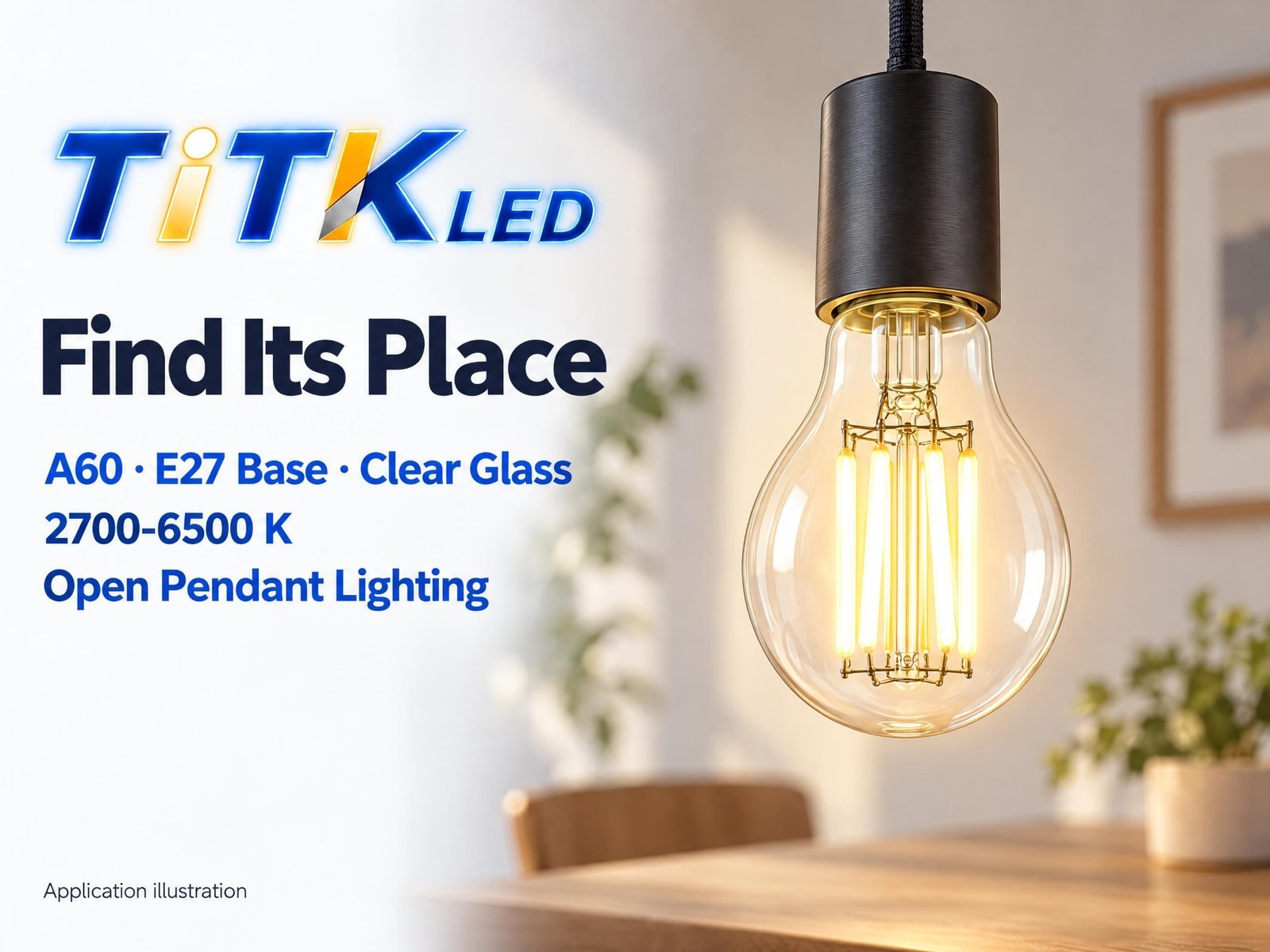
When buyers search for restaurant ambient lighting ideas, they are usually solving more than one problem at once: creating a comfortable mood, matching the interior style, and sourcing bulbs that fit the fixture, voltage, and budget requirements of the project. For restaurants, ambient light should support the guest experience without overwhelming the space. That makes the procurement process as important as the design concept.
This guide is written for B2B buyers, distributors, installers, and informed consumers who need a practical way to define requirements, compare options, identify sourcing risks, and prepare supplier questions before ordering.
Start with the lighting brief, not the bulb
A good restaurant lighting brief should describe the space first. Before comparing products, define where the bulb will be used and what the light should achieve. In restaurant lighting, ambient layers often work best when the bulb supports the fixture rather than trying to do everything by itself.
- Space type: dining room, bar, private room, corridor, entry, or washroom.
- Fixture type: pendant lighting, chandelier lighting, wall sconce lighting, table lamp lighting, or decorative fixtures.
- Visual goal: warm, cozy, elegant, relaxed, modern, or retro.
- Technical needs: lamp base, input voltage, dimming requirement, and physical dimensions.
- Project constraints: replacement schedule, packaging needs, branding, and whether the project needs OEM LED bulbs or private label supply.
If the brief is incomplete, suppliers can only guess. That increases the risk of mismatch during installation.
Compare the most relevant bulb options for ambient restaurant use
For many projects, the shortlist includes decorative LED bulbs, LED filament bulbs, and specific shape families such as candle bulbs, globe bulbs, and tubular bulbs. The right choice depends on how visible the bulb is inside the fixture and how much emphasis the restaurant wants to place on the bulb shape itself.
1. Decorative LED bulbs
Decorative LED bulbs are often chosen when the bulb is part of the visual identity of the space. They can support open fixtures, exposed sockets, and stylized luminaires where the bulb design is meant to be seen. This category is useful when ambience matters as much as illumination.
2. LED filament bulbs
LED filament bulbs are popular for hospitality interiors because they combine classic aesthetics with modern lighting technology. They are often considered for restaurants that want a warm, vintage, or refined appearance. The exact result depends on the model, base, glass finish, and color temperature.
3. Edison-style shapes
Edison bulbs are often selected for visible decorative use in restaurants, especially in retro or industrial schemes. For procurement, the key is to confirm whether the chosen model is suited to the fixture, dimmer, and power supply in the project.
4. Shape selection
Bulb shape affects both style and visual balance. Smaller candle shapes can suit chandeliers and compact decorative fittings, while globe shapes can create a more noticeable visual presence. Tubular options may suit linear decorative concepts or narrow fixtures.
For product browsing, buyers can review TITK’s Decorative LED Filament Bulbs and broader Decorative Light Bulbs categories, then confirm the final specification for the project.
Specify the most important technical details
Many sourcing problems begin when design intent is clear but technical details are not. For restaurant ambient lighting ideas to work in practice, buyers should confirm the exact specification before placing an order.
| Requirement | Why it matters | What to confirm |
|---|---|---|
| Lamp base | Ensures the bulb fits the holder | E14, E26, E27, or B22 depending on the model |
| Input voltage | Prevents installation errors | AC 110–120V, AC 220–240V, or DC low-voltage if applicable |
| Color temperature | Shapes the mood of the dining area | Warm white, neutral white, cool white, or adjustable CCT depending on model |
| Glass finish | Changes the visual softness and appearance of the bulb | Clear glass, amber tea glass, smoke grey glass, frosted glass, or milky glass if available |
| Dimming | Important for atmosphere control | Whether the bulb is dimmable and what dimming method is supported |
For exact product selection, use the Products page as a starting point and confirm the final configuration with TITK.
Use color temperature intentionally
In restaurant ambient lighting ideas, color temperature is one of the most important decisions. It affects how food, furniture, and finishes are perceived. Warm white is often preferred for intimate dining environments, while cooler options may suit functional zones or contemporary interiors. Some models also support multiple color temperature modes or dual-CCT designs.
Buyers should avoid assuming that every bulb family offers the same color temperature range. With TITK products, available color temperature depends on the specific model, so the safest approach is to compare the exact datasheet and confirm the final specification before ordering.
Check glass finish and visual effect
Glass finish changes the look of the bulb even before it is switched on. Clear glass can show more of the filament design, while amber tea glass often gives a softer decorative impression. Smoke grey glass can create a moodier visual effect, and frosted or milky glass can reduce direct glare in some applications. Availability varies by model.
For restaurant projects, the glass finish should be selected together with the fixture style. A bulb that looks elegant in an open pendant may not be the right choice for a shaded wall sconce, and vice versa.
Identify common sourcing risks before purchase
Good sourcing is about avoiding mismatch, not just comparing appearance. The most common risks in restaurant ambient lighting projects include:
- Wrong base type: the bulb looks right but does not fit the socket.
- Voltage mismatch: the bulb is ordered for the wrong electrical environment.
- Unconfirmed dimming: the bulb is expected to dim, but the driver or control method is unsuitable.
- Style mismatch: the bulb looks good alone but conflicts with the interior or fixture.
- Unclear customization needs: branding, packaging, or filament design is discussed too late.
- Specification confusion: model details are assumed instead of verified.
These risks are especially relevant when buyers source decorative LED bulbs for multiple restaurant branches or repeat project rollouts.
Prepare supplier questions that prevent delays
Before requesting samples or quotations, prepare a short technical question list. This saves time and reduces misunderstanding.
- What lamp bases are available for this model?
- Which voltage configuration is correct for my market and fixture?
- Is the bulb dimmable, and what dimmer compatibility should I check?
- Which color temperature options are available for this specific model?
- What glass finish options are available for this product family?
- Can you confirm dimensions for installation clearance?
- Is OEM or ODM customization available for branding or packaging?
- Can you recommend a suitable product family for pendant lighting, chandelier lighting, or wall sconce lighting?
When sourcing from TITK, buyers can discuss project requirements and ask about OEM and ODM cooperation, including product specifications, lamp base, voltage, wattage, color temperature, glass finish, filament design, dimming functions, smart-control functions, branding, private label, and packaging. Final feasibility should always be confirmed for the specific project.
A simple buyer checklist for restaurant projects
- Define the space and fixture type first.
- Choose the visual direction: warm, modern, vintage, or decorative.
- Confirm base, voltage, dimensions, and dimming requirements.
- Compare the bulb shape and glass finish against the interior concept.
- Ask for a quotation only after the key details are locked.
- Request samples if the bulb will be visible in the guest area.
Where TITK fits in the sourcing process
TITK is a Zhongshan, Guangdong, China based LED lighting manufacturer and B2B supplier focused on LED filament bulbs and decorative LED bulbs for wholesale, commercial lighting, hospitality lighting, lighting projects, distributors, importers, lighting brands, and OEM/ODM customers. For restaurant ambient lighting ideas, that makes TITK a relevant partner when the project requires specification-led supply rather than generic off-the-shelf purchasing.
To explore product families and compare suitable formats, browse TITK’s Lighting category or view the wider Decorative Lighting section.
Final takeaway
Restaurant ambience is created by the full system: fixture, bulb shape, glass finish, voltage, color temperature, and dimming behavior. The best procurement process is the one that confirms these details early, compares the options that actually fit the project, and asks suppliers precise questions before the order is placed.
If you are sourcing for a restaurant project, request a quotation, confirm voltage and base, and ask TITK about the product family best suited to your lighting brief.



