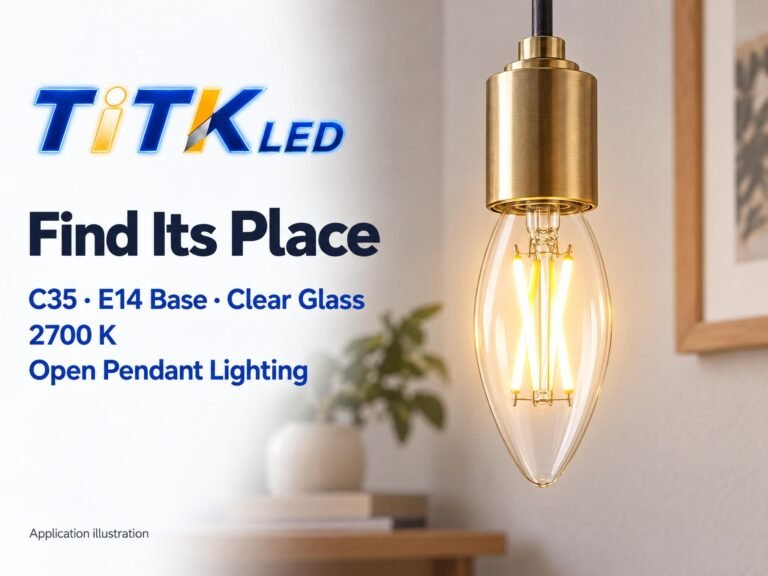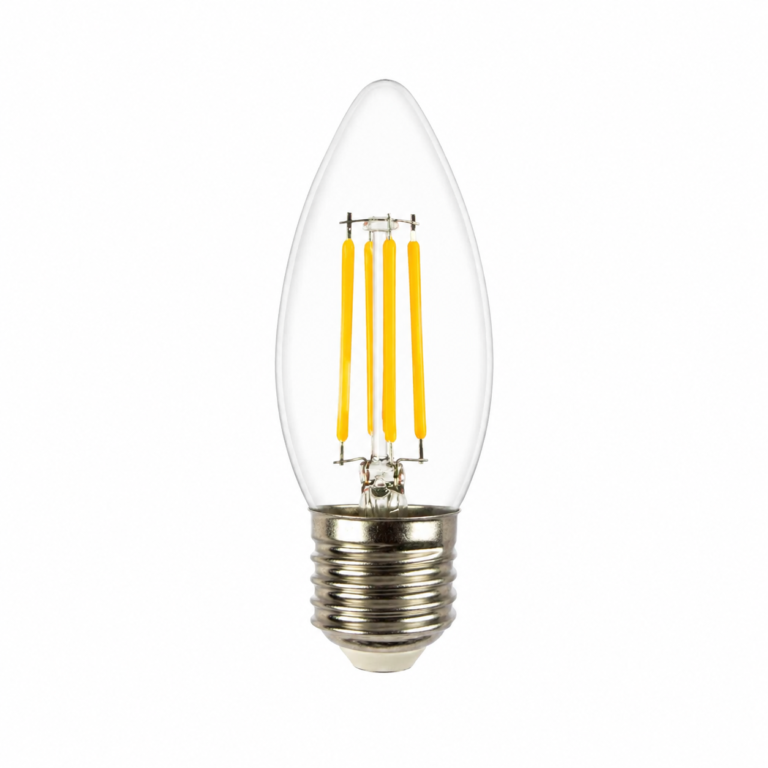
Exposed LED Filament Bulbs: Viewing and Glare Checks
Review exposed LED filament bulbs from real viewing positions. Record glass finish, fixture, output and controls before approving a decorative lighting sample.

When an LED filament bulb is exposed, the buyer sees the glass and lit elements directly. Review the proposed bulb from the positions where people will use the space, then record which appearance is acceptable before ordering. A warm-looking photograph is not an approval of brightness, glare or dimming performance.
Start with the Viewing Position
Mark the proposed fixture location and the usual seated and standing positions on the project drawing. For a restaurant pendant, include the view from the table and the approach to the seating area. For a sconce, include nearby circulation routes. Let the designer resolve the layout and the lighting needed for each activity.
Keep the actual fixture or a representative mock-up with the sample review. A bulb viewed alone on a desk does not reproduce its position inside a cage, shade or pendant assembly.
Use a Repeatable Viewing Record
| View to review | What to record |
|---|---|
| Unlit close view | Envelope finish, visible filament arrangement, base and any marks to resolve. |
| Normal use position | Fixture position, sample reference and the appearance at the agreed viewing distance. |
| Across a group of lamps | Differences noticed between samples under the same conditions. |
| Lowest required setting | Controller, lamp quantity and observed behavior, for a confirmed dimmable model. |
| Task area | Whether separate lighting is needed for the activity, reviewed by the project designer. |
Compare candidate samples in the same fixture position and surrounding lighting. Note the glass finish, filament layout and requested CCT. Record the model separately from the visual preference, so an approved appearance is not accidentally used to approve another electrical configuration.
Do Not Solve Every Appearance Question with a Dimmer
Check the bulb’s control specification first. For example, the A60 E27 2 W clear bulb is listed at 150 lm and 2200 K and is non-dimmable. It should not be selected for dimmer operation merely because its filament suits the interior.
If dimming is required, select a model specified for that function and review the actual controller, supply and lamp quantity. Keep the test record described in the chandelier dimming guide with the sample approval.
Write an Appearance Decision That Can Be Checked
Identify the accepted sample, fixture, viewing positions and operating setting. List any objection, such as an unwanted visible hotspot or reflection, and record whether the proposed change is to the bulb, fixture or layout. Review that change again before approval.
For other shape and fit questions, use the bulb shapes and bases guide. For comparing several designs together, use the mixed bulb-shape schedule.
Exposed Filament Bulb Questions
Does amber glass guarantee a comfortable view?
No. Review the selected bulb in the actual fixture and viewing position.
Can a photograph prove there is no glare?
No. Use photographs as identified review records alongside an in-person sample assessment and the project’s performance requirements.
What should I send to request a suitable model?
Include the fixture drawing, desired appearance, supply, controls and lamp quantity when you send TITK your project requirements.