Restaurant Edison Bulb Specification Brief
Build a restaurant Edison bulb brief with fixture details, light requirements, controls, lamp quantities and sample acceptance records for supplier quotes.

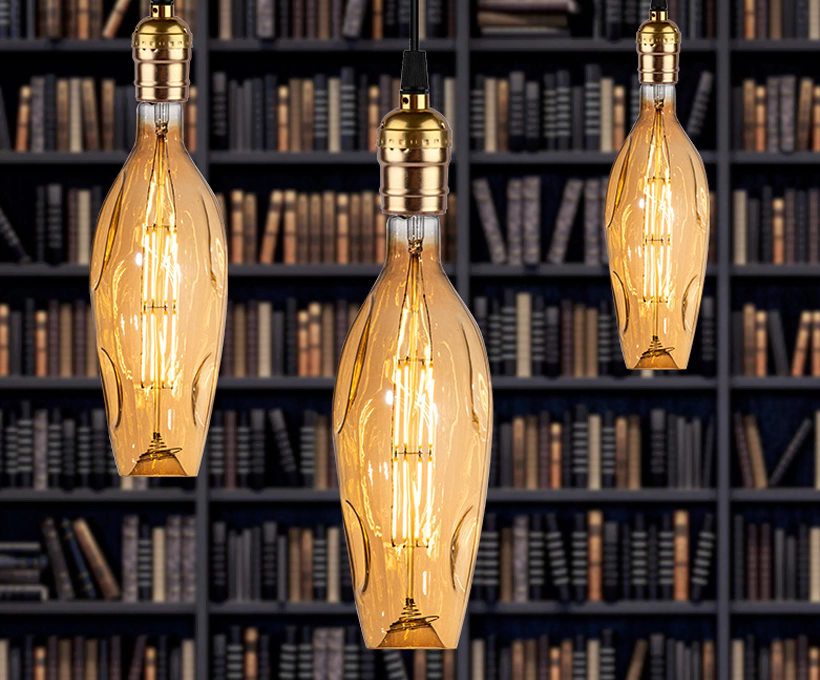
A restaurant Edison bulb specification brief connects each lighting zone to a fixture, bulb configuration and sample approval record. Prepare it before comparing supplier quotations so the same requirements reach the designer, installer and purchasing team.
Start with a Zone-by-Zone Lamp Schedule
Separate the dining area, bar, reception and any decorative display in the schedule. Give each zone a reference and list its fixtures and lamp quantity. Record the lighting task and the appearance to be reviewed, including the surrounding finishes and typical viewing positions.
A decorative exposed-bulb arrangement may be only one part of the lighting design. Have the project designer establish the illumination needed for menus, service areas and circulation. A bulb’s vintage appearance does not establish the lighting performance of the complete room.
Restaurant Edison Bulb Brief Template
| Brief field | Information to record |
|---|---|
| Zone and fixture | Area reference, fixture model or drawing, lamp count and replacement access. |
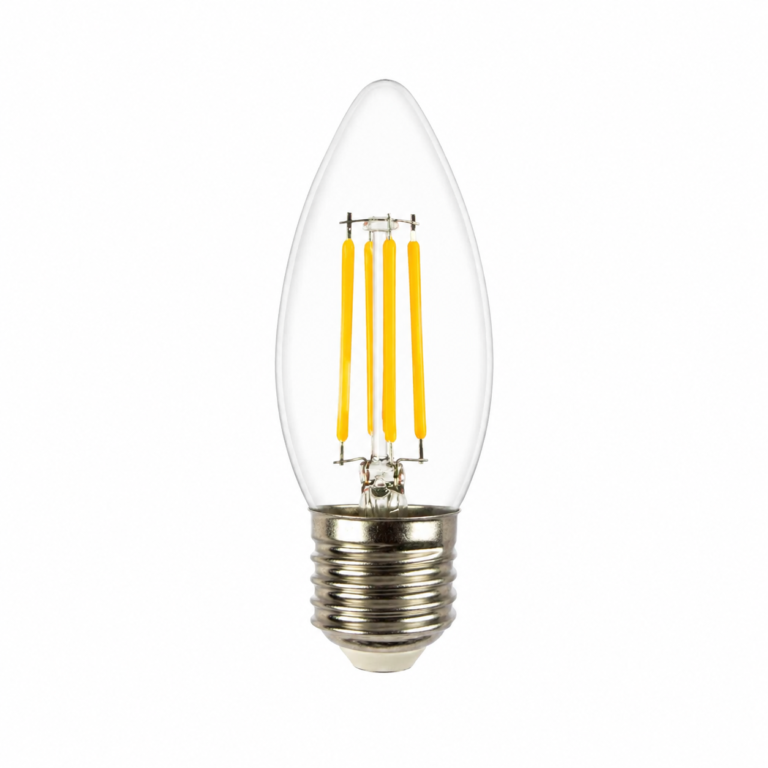
| Bulb configuration | Shape, dimensions, glass finish, filament layout, base and rated supply. |
| Light requirements | Requested lumen output, color temperature, CRI and the appearance to approve. |
| Controls | On/off or dimming requirement, control method, dimmer model and lamps per circuit. |
| Order and approval | Sample reference, quantity by model, destination, packaging and required documents. |
Keep separate lines for configurations that differ in base, voltage, glass finish, color temperature or dimming requirement. Ask the supplier to identify the proposed model for each line and list any requested feature that still needs confirmation.
Choose the Fixture and Bulb Together
Check shade clearance, bulb height, lamp-holder position and access for replacement against the fixture drawing. Review the proposed glass finish and filament layout both lit and unlit. For globe-shaped options, use the restaurant and bar globe bulb selection guide alongside the project schedule.
Record the operating environment for each zone. For a closed shade, enclosed fixture or exposed location, obtain explicit suitability information for the selected bulb and fixture. Application photographs do not establish those approvals.
Write a Testable Sample Acceptance Brief
- List the proposed bulb model, fixture and sample references.
- Define the appearance checks in the intended dining or bar setting.
- For dimming, record the actual controller, supply and number of lamps used in the test.
- Document starting behavior, adjustment range, visible instability and audible noise under the agreed conditions.
- Resolve differences from the brief before signing off the sample and quotation.
The chandelier bulb and dimming guide provides a more detailed control-test record. Keep the approved configuration with the order so later samples can be compared with the same reference.
Return a Clear Schedule with the Quotation
Request quantities and unit pricing by model, packaging details, sample arrangements, delivery schedule and the documents required for the destination market. Record unresolved items explicitly. If a proposed substitute changes dimensions, lumen output or controls, review the affected schedule line again before approval.
For budget planning, use the actual lamp quantities, rated power and operating hours. Compare purchase and replacement costs separately. Fixed savings, service-life or restaurant sales claims should not replace a model-specific project calculation.
Compare the LED filament bulb range, then send TITK your restaurant lighting brief for a model-specific response.