Comparing LED Filament Bulb Manufacturers: A Practical Guide for B2B Buyers
Explore how to evaluate and select LED filament bulb manufacturers with practical steps for diagnosis, selection, implementation, and maintenance in commercial projects.

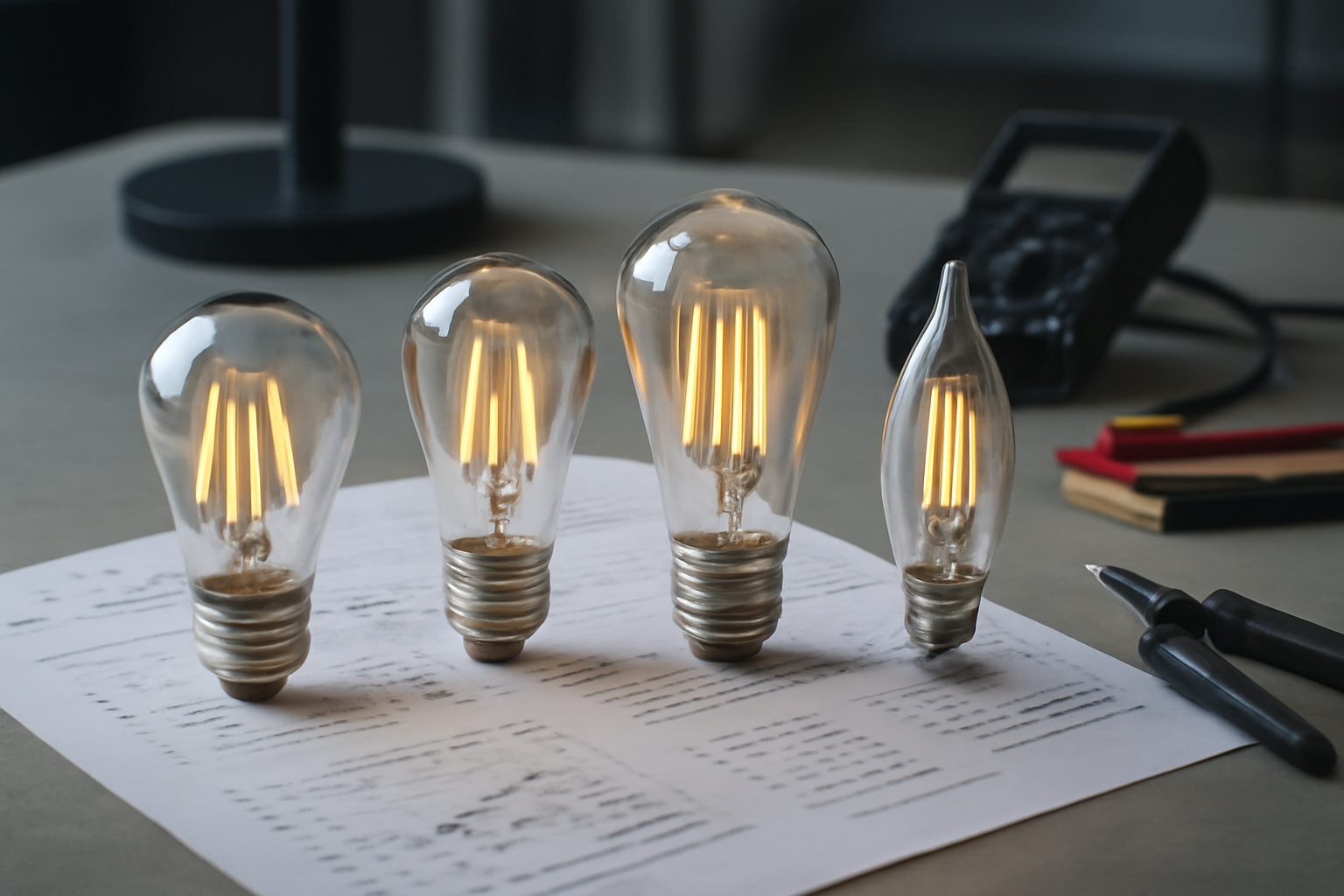
Introduction to LED Filament Bulb Manufacturer Comparison
For international distributors, installers, and facility operators, choosing the right LED filament bulb manufacturer can significantly impact the quality, longevity, and overall success of lighting projects. This guide focuses on practical methods to diagnose performance needs, select appropriate products, implement installations effectively, and maintain LED filament bulbs from different manufacturers.
Understanding the Importance of Manufacturer Comparison
The LED filament bulb market offers a wide range of options with variations in design, performance, and quality. A well-informed comparison helps avoid problems related to light output inconsistency, premature failure, and compatibility issues with existing fixtures or controls. Since manufacturers differ in specifications such as lumen output, color temperature range, dimmability, and construction quality, buyers must verify all data directly with suppliers.
Key Performance Metrics to Evaluate
- Luminous Efficacy: Measured in lumens per watt (lm/W), it reflects bulb efficiency.
- Color Temperature: Ranges typically between 2200K and 6500K, affecting ambiance and application suitability.
- Color Rendering Index (CRI): A CRI above 80 usually ensures good color quality.
- Lifespan and Reliability: Often rated over 15,000 to 25,000 hours; verify warranty and testing data.
- Dimmability: Compatibility with dimmers and control systems should be confirmed.
Diagnosis: Assessing Project Needs
Begin by defining the lighting requirements of your specific application. This includes:
- Ambient vs. decorative lighting needs
- Desired brightness and ambiance
- Energy consumption targets and budget
- Compatibility with fixture size and socket (e.g., E27)
- Environmental factors such as IP rating for moisture or dust resistance
Understanding these factors will guide the evaluation of manufacturers whose products match the technical and aesthetic criteria.
Selection: Comparing LED Filament Bulb Manufacturers
When comparing manufacturers, consider the following steps:
- Request Product Data Sheets: Scrutinize detailed specifications including electrical characteristics, photometric data, and compliance with local standards.
- Sample Testing: Whenever possible, obtain samples for in-house testing or third-party verification focusing on:
- Light output and distribution
- Color consistency and stability
- Heat dissipation efficiency
- Physical build and filament design
- Evaluate Supply Chain and Support: Manufacturer reliability, lead times, warranty policies, and after-sales support are critical for sustained success.
- OEM vs. Established Brands: Consider whether you want customized products or stock designs; private label opportunities can be beneficial but require trust in quality assurance.
For options to explore, see TITK LED Filament Bulbs for a variety of models and manufacturing capabilities.
Notable Product Examples
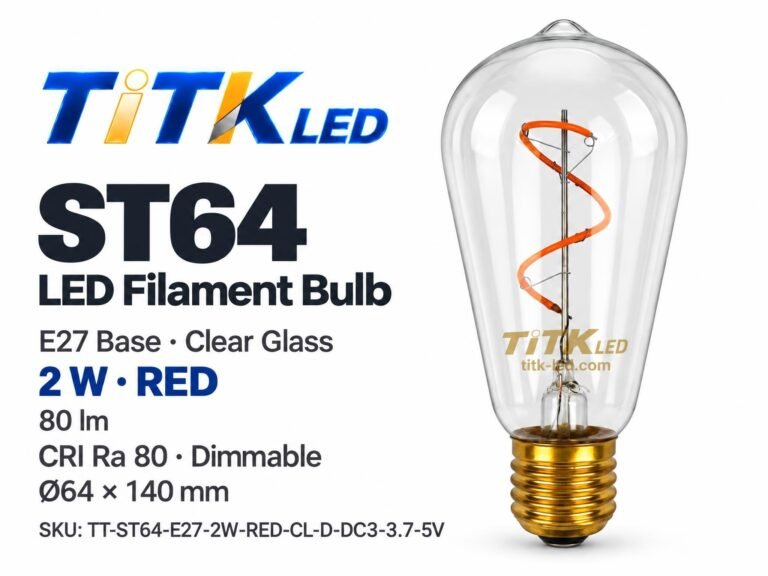
- E27 Vintage Decorative LED Filament Bulb – Combines classic aesthetic with modern performance.
- A60 LED Bulb E27 2700K Warm White – Warm color temperature suited for hospitality settings.
Implementation: Best Practices for Installation
Ensuring reliable performance also depends on proper installation:
- Fixture Compatibility: Check bulb base and size conformity with existing sockets.
- Electrical Compatibility: Confirm voltage and wattage specifications match supply circuits.
- Handling and Seating: Avoid damage during installation by using gloves and securing bulbs firmly.
- Dimming Controls: Use manufacturer-approved dimmers to avoid flickering or damage.
- Group Installation: When installing multiple bulbs, test a batch initially for consistency.
Review installation instructions provided by the manufacturer to address any unique requirements.
Maintenance: Sustaining Performance Over Time
Regular maintenance can prolong LED filament bulb lifespan and avoid outages:
- Periodic Cleaning: Dust and dirt reduce light output; clean glass surfaces carefully.
- Monitoring: Track bulb performance for signs of dimming, flicker, or color shift.
- Replacement Strategy: Replace bulbs in batches to maintain uniformity and reduce downtime.
- Manufacturer Support: Document warranty and keep supplier contact for claims or technical support.
Conclusion: Making an Informed Manufacturer Choice
In conclusion, comparing LED filament bulb manufacturers requires a balanced approach evaluating technical specifications, supplier reliability, and practical application needs. By following a structured review and testing process, B2B buyers and installers can select products that deliver consistent light quality, durability, and energy savings.
For quality LED filament bulb options backed by professional support, consider exploring the range from TITK LED solutions. Confirm all product details directly with suppliers to ensure the best fit for your projects.