Comparing LED Filament Bulb Manufacturers: A Practical Guide for B2B Buyers
Explore how to evaluate and select LED filament bulb manufacturers with practical steps for diagnosis, selection, implementation, and maintenance in commercial projects.


Introduction to LED Filament Bulb Manufacturer Comparison
Use an LED filament bulb manufacturer comparison to review several candidates against the same project brief. Compare the quoted model, available supporting documents, sample observations and proposed order terms. If you are still defining the specification, start with the LED filament bulb supplier evaluation guide, then bring the same requirements to each manufacturer.
Understanding the Importance of Manufacturer Comparison
Similar-looking bulbs can have different bases, voltages, light output, controls and supply conditions. Keep a separate comparison record for each proposed model and revision. Ask each manufacturer to identify which figures come from a data sheet, which have supporting test records and which remain to be confirmed for the order.
Compare Model-Specific Evidence
- Output and power: record the quoted lumens and input power for the same model and operating conditions.
- Light appearance: compare the stated CCT, glass finish and sample appearance; ask for the relevant CRI data where the project requires it.
- Lifetime and warranty: record the supplier’s claimed lifetime, its test basis and conditions, and the separate written warranty terms.
- Controls: identify the exact dimming version and the compatibility evidence for the intended control system.
- Fit and supply: compare base, dimensions and rated input before treating two offers as equivalent.
Diagnosis: Assessing Project Needs
Begin by defining the lighting requirements of your specific application. This includes:
- Ambient vs. decorative lighting needs
- Desired brightness and ambiance
- Energy consumption targets and budget
- Compatibility with fixture size and socket (e.g., E27)
- Environmental factors such as IP rating for moisture or dust resistance
Understanding these factors will guide the evaluation of manufacturers whose products match the technical and aesthetic criteria.
Selection: Comparing LED Filament Bulb Manufacturers
When comparing manufacturers, consider the following steps:
- Request Product Data Sheets: Scrutinize detailed specifications including electrical characteristics, photometric data, and compliance with local standards.
- Sample Testing: Whenever possible, obtain samples for in-house testing or third-party verification focusing on:
- Light output and distribution
- Color consistency and stability
- Heat dissipation efficiency
- Physical build and filament design
- Evaluate Supply Chain and Support: Manufacturer reliability, lead times, warranty policies, and after-sales support are critical for sustained success.
- OEM vs. Established Brands: Consider whether you want customized products or stock designs; private label opportunities can be beneficial but require trust in quality assurance.
For options to explore, see TITK LED Filament Bulbs for published model options.
Notable Product Examples
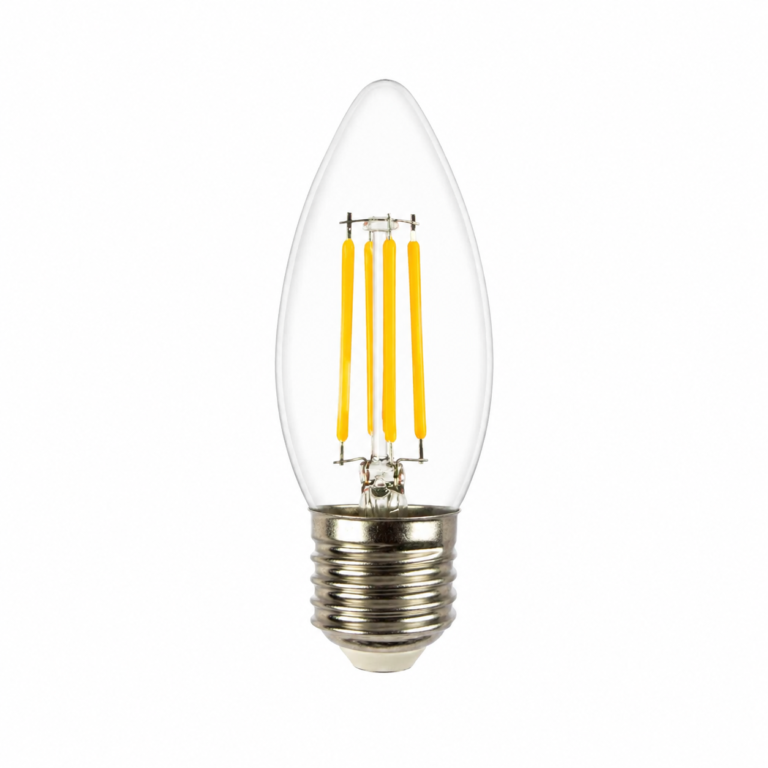
- E27 Vintage Decorative LED Filament Bulb – Combines classic aesthetic with modern performance.
- A60 LED Bulb E27 2700K Warm White – Warm color temperature suited for hospitality settings.
Compare Samples Against the Same Approval Brief
Give each candidate the same model requirements and record any proposed substitutions. Identify samples by supplier, model and version so observations can be traced to the offer being reviewed.
- Compare appearance, fit and supplied labels against the agreed brief.
- Record the fixture, supply and control conditions used for the comparison.
- Separate visual observations from measurements and reports supplied by the manufacturer.
- Log unresolved differences and request clarification before approving a version.
For a record of specifications, sample results and supporting documents, use the LED bulb procurement evidence checklist. Follow the selected model’s instructions for any installation or testing.
Confirm Production Traceability and Order Support
Ask how the manufacturer identifies the approved product version and communicates changes to that version. Request the proposed inspection records, batch identification and process for reporting discrepancies. Confirm what can actually be supplied for your order rather than assuming every candidate uses the same procedure.
- Approved model and packaging references for the purchase order
- Available sample and production inspection records
- Procedure for approving component, specification or packaging changes
- Proposed MOQ, schedule, warranty scope and support contact for the specific order
For a private-label enquiry, discuss the selected requirements through the OEM LED filament bulb service. Feasibility, quantities and timing are confirmed by model and order.
Conclusion: Making an Informed Manufacturer Choice
Compare manufacturers using the same brief and keep the reasons for accepting or rejecting each offer. A completed comparison should distinguish confirmed specifications, reviewed samples, available supporting records and open questions. Resolve the open points before confirming the order.
For a starting list of TITK models, explore TITK LED solutions. Confirm all product details directly with suppliers to ensure the best fit for your projects.