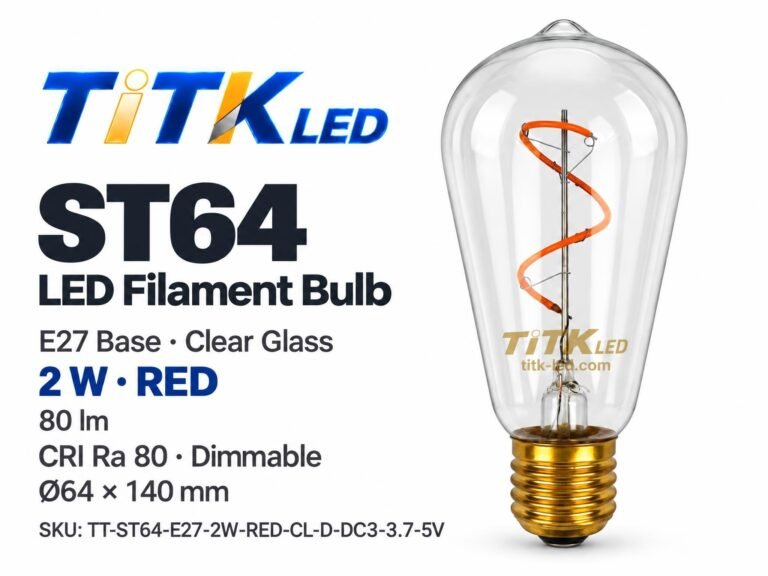
Assembly and photoelectric performance tests of flexible LED filament bulbs were completed successfully.

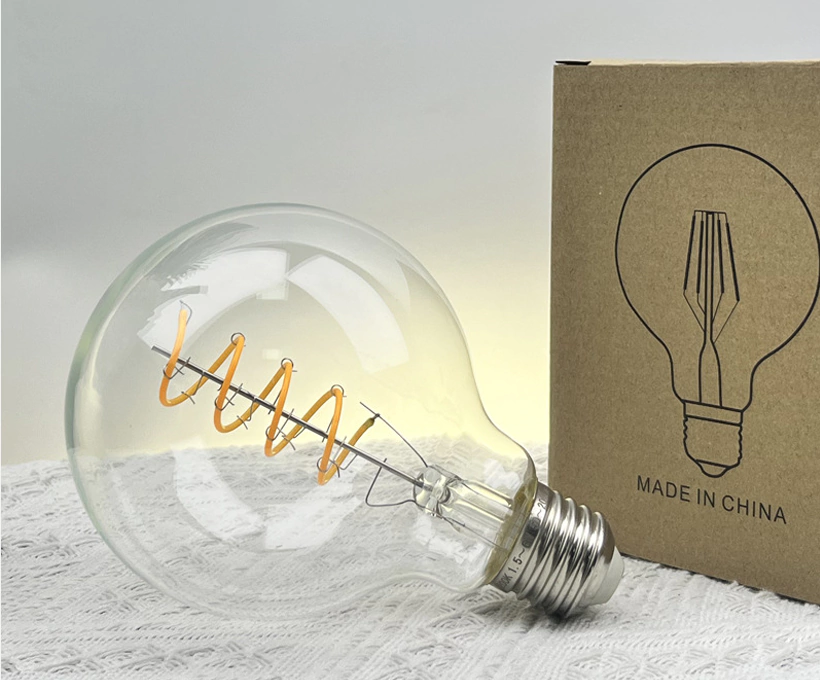
Recently, the team successfully conducted experiments on the assembly and photothermal performance testing of flexible LED filament bulbs.
This experiment aims to deepen the understanding of the structural characteristics, working principles, and photoelectric properties of flexible LED filament lamps through practical operation and precise measurement so as to accumulate valuable data for the research, development, and application of new lighting technologies.
The experiment mainly consists of two parts:
one is the hands-on assembly of flexible LED filament bulbs.
and the other is the systematic analysis of their photoelectric performance using high-precision instruments.
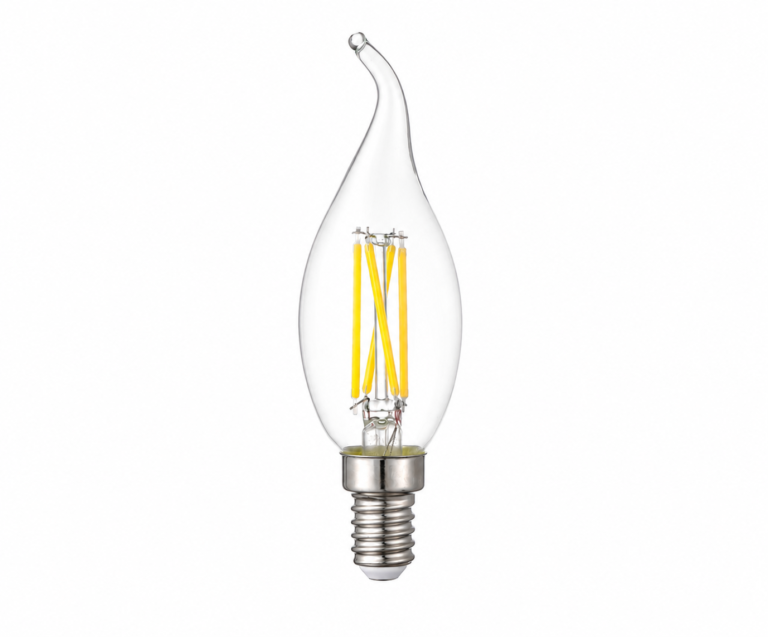
During the assembly stage, the experimenters first reliably connected the flexible LED filaments to the pins of the driver power supply using thermal conductive adhesive, paying close attention to the correct connection of positive and negative electrodes to ensure circuit safety. The driver power supply was then securely placed into the lamp housing, and the input terminals of the power supply were connected to the two poles of the bulb base before tightening the base nut. Finally, the lampshade was covered, and a complete flexible LED filament bulb was assembled. This process improved the students’ practical ability and meticulous operating habits.
In the photoelectric performance testing stage, the team used the advanced HASS2000 high-precision spectroradiometer and integrating sphere system for measurement. By adjusting the voltage and frequency of the AC power supply to simulate different working conditions, the team systematically collected data such as the spectrum and radiation of the light source. During the operation, the students strictly followed the procedures: installing the light source, connecting circuits, setting parameters, and starting measurements, while skillfully using professional software for data acquisition and processing. All experimental data were exported and saved in Excel format for further in-depth analysis and research.
This experiment not only allowed participants to gain an intuitive understanding of the internal structure and assembly process of flexible LED filament lamps but also provided a quantitative grasp of their light output characteristics under different electrical conditions through rigorous scientific measurement. The entire experiment was carried out in a safe and standardized manner with detailed data records, achieving the expected teaching and research objectives and laying a solid practical foundation for future exploration in semiconductor lighting, optoelectronic devices, and related fields.