Best Bulbs for Pendant Lights: A Practical Selection Guide
Choose pendant light bulbs by socket, shade, beam, colour, dimming compatibility and maintenance needs for commercial, hospitality, retail and residential spaces.

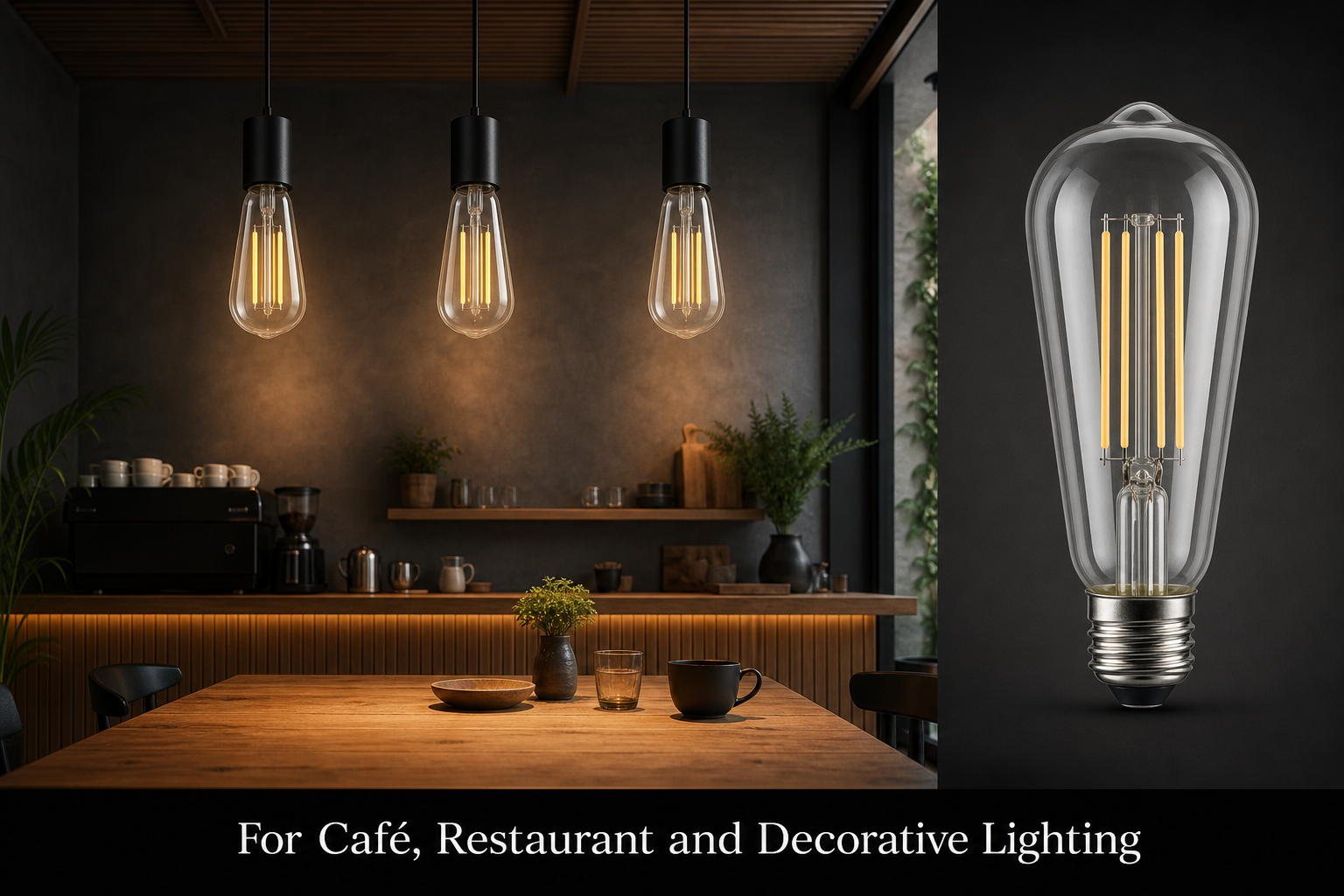
Pendant lights are often visible design features as well as sources of illumination. The bulb may sit below an open shade, behind clear glass or inside a reflective metal fitting, so its shape, finish and light distribution can affect the entire space. Choosing the best bulbs for pendant lights therefore requires more than matching the cap to the socket.
For a home, restaurant, retail display or hotel interior, the right choice should balance appearance, useful light, visual comfort, electrical compatibility and replacement practicality. This guide explains how to evaluate pendant light bulbs without relying on a single style or application label.
Start with the pendant fixture
Confirm the socket and physical clearance
Check the pendant’s socket type, permitted bulb dimensions and maximum electrical rating before comparing designs. A bulb can be electrically compatible yet unsuitable if its body touches the shade, extends beyond the intended profile or prevents the fixture from closing correctly.
For project purchasing, request a dimensional drawing or product data sheet from the supplier. Confirm the cap, overall length, maximum diameter and any restrictions related to enclosed fixtures. These details are particularly important when replacing an existing bulb with a larger decorative LED model.
For clusters of pendants, even small differences in bulb size can affect visual alignment. Also inspect the fixture’s orientation. A pendant designed for a vertical bulb may not distribute light correctly when used with a horizontal or angled fitting.
Understand how the shade changes the result
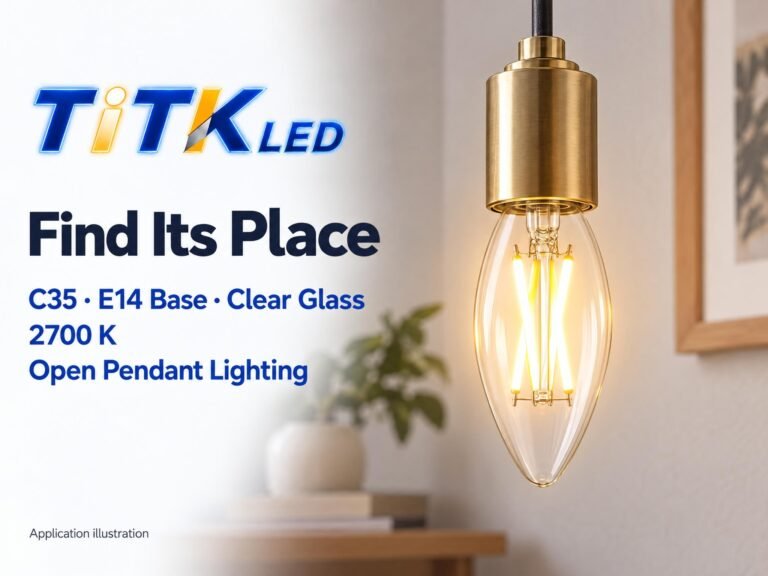
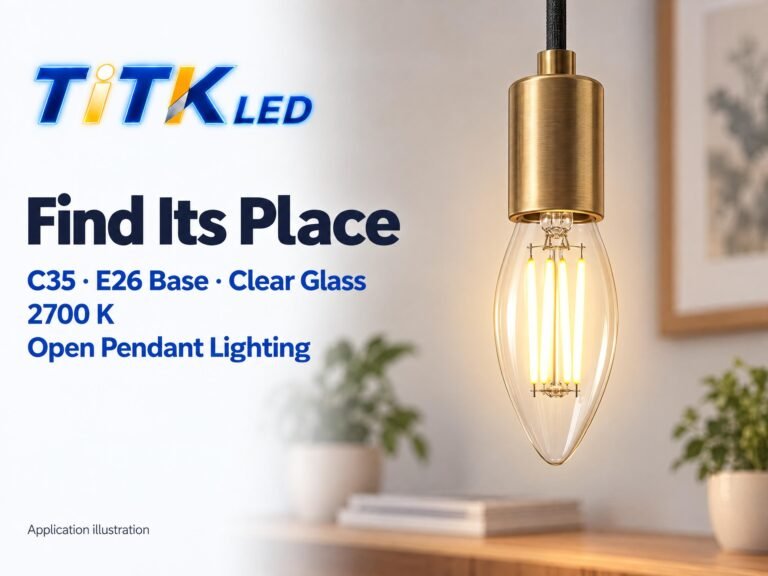
Open pendants expose the bulb and usually make the lamp part of the visual composition. Clear glass shades can show the whole bulb, while frosted, fabric or opaque shades conceal the lamp and place greater emphasis on light output and distribution.
A narrow shade may create a concentrated downward effect. A broad globe or exposed filament design may spread light more visibly around the fitting. The best bulbs for pendant lights are those that complement the fixture’s geometry rather than simply filling the socket.
Choose the bulb shape for the application
Bulb shape affects both appearance and usable illumination. The following options are common starting points:
| Bulb type | Suitable considerations | Points to verify |
|---|---|---|
| Standard A-shape | General-purpose pendants where the bulb is partly concealed | Clearance, diffuser appearance and light distribution |
| Globe bulb | Open or transparent pendants requiring a rounded decorative form | Diameter, glare and whether the shade can accommodate it |
| Tubular bulb | Linear, slim or vertically oriented pendant fittings | Length, orientation and visible bright areas |
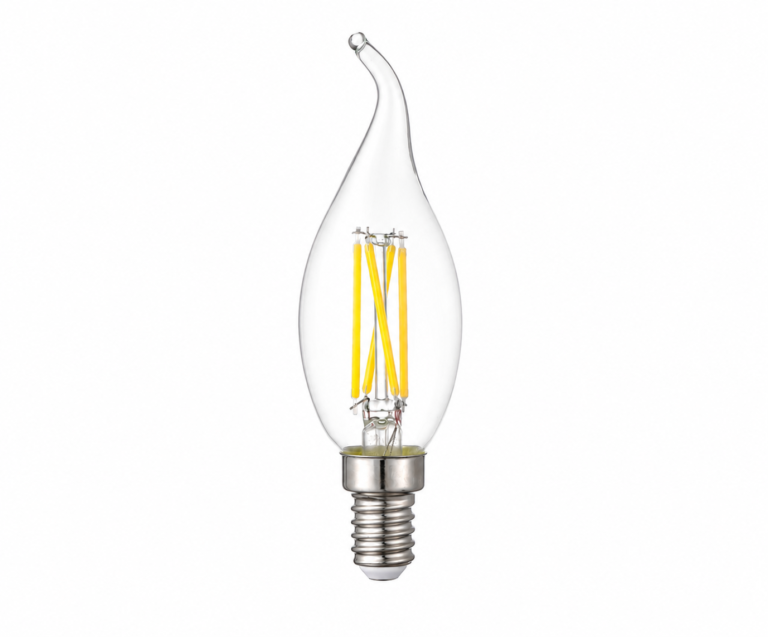
| Candle or torpedo bulb | Small decorative pendants and compact multi-light arrangements | Socket size, heat clearance and visual scale |
| Edison-style bulb | Open decorative fixtures where the filament appearance is intentional | Colour, glare, dimming and the visibility of the internal structure |
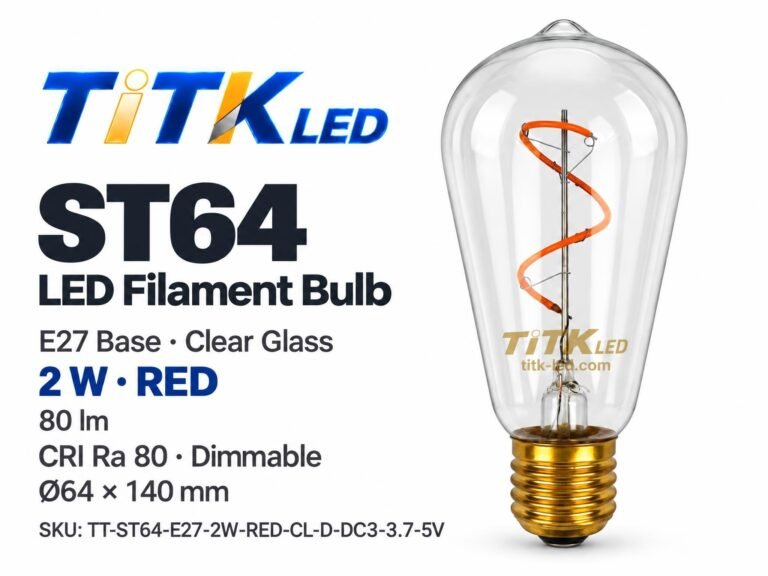
| Flexible-filament bulb | Feature pendants that need a distinctive internal light pattern | Shape, viewing angle and supplier specifications |
Use the fixture’s proportions as the first filter. A large pendant can make a small bulb look lost, while an oversized globe may dominate a compact fitting. For exposed installations, browse LED filament bulb options and compare the bulb profile with the shade before ordering samples.
Match brightness and beam distribution to the task
Brightness should be selected according to the pendant’s role. A decorative pendant above a lounge table may need gentle ambient light, whereas a pendant above a reception desk, retail counter or dining table may need more useful downward illumination. If the pendant is one element in a layered lighting plan, it may not need to carry the full lighting load of the room.
Read the supplier’s stated light output and distribution information rather than judging by electrical wattage alone. LED bulbs can produce different levels of light from similar power consumption, and the shade can absorb or redirect part of that light.
Beam distribution also matters. A clear exposed bulb may create visible highlights and shadows, while a diffused bulb can provide a softer appearance. In a row of pendants, compare the spacing, mounting height and overlap of the light pools. Sample testing is advisable when the installation is highly visible or when the pendants are intended to illuminate merchandise, artwork or work surfaces.
Select colour temperature and colour quality carefully
Colour temperature influences the atmosphere of the space. Warm light is commonly associated with intimate hospitality areas, living spaces and decorative settings. A more neutral appearance may support retail, reception or task-oriented environments. The decision should follow the interior materials, finishes and adjacent luminaires.
Where products, food, fabrics or artwork must appear natural, ask the supplier for colour-quality information and assess a sample under the actual room finishes. Avoid mixing visibly different bulb colours in the same pendant group unless the variation is deliberate.
For design-led pendants, the bulb’s lit and unlit appearance both matter. A filament pattern, tinted glass or unusual envelope can be attractive when the lamp is off but may create excessive visual contrast when illuminated. Review the complete fitting from normal eye level, not only from directly below.
Check dimming and electrical compatibility
Dimming is a frequent source of problems in pendant installations. The bulb, dimmer, driver arrangement and control method must be compatible. Symptoms of a mismatch can include flicker, buzzing, an unstable low setting or a limited dimming range.
Do not assume that every LED bulb works with every existing dimmer. Confirm whether the bulb is designed for dimming and request the supplier’s compatibility guidance. For a large project, test the actual bulb with the proposed control equipment before approving the full order. You can also review dimmable LED bulb selections when the lighting scene requires adjustable output.
For non-dimmable pendants, a dimmable bulb may not provide a benefit and could complicate procurement. Specify the control requirement clearly so distributors and installers quote the correct version.
Consider glare, viewing angles and maintenance
Because pendant lights are often mounted within the normal field of vision, glare deserves early attention. A bright exposed filament or clear envelope can be uncomfortable when viewed across a room. Position, shade design, diffusion and bulb finish all influence the result.
In hospitality and retail settings, inspect the pendant from seating positions, circulation routes and customer sightlines. In residential projects, consider views from sofas, kitchen counters and stair approaches. A bulb that looks attractive from below may be too prominent from the side.
Maintenance should also shape the specification. Group pendants at high ceilings may be difficult to access, so consistent bulb dimensions and readily available replacement options can simplify future work. For distributors and contractors, record the selected bulb shape, cap, colour, control compatibility and supplier reference in the handover documentation.
Build a practical purchasing specification
A clear specification reduces substitutions that alter the finished appearance. Include:
- Socket or cap type and fixture quantity.
- Maximum bulb dimensions and mounting orientation.
- Required light output and distribution.
- Colour temperature and colour-quality requirements.
- Clear, frosted, tinted or decorative finish.
- Dimmable or non-dimmable operation and control system.
- Whether the fitting is open, enclosed or shade-covered.
- Required sample, packaging and replacement information.
For decorative open pendants, compare decorative light bulb formats and, where the design calls for a classic exposed appearance, review LED Edison bulb options. Ask TITK or your chosen supplier to confirm current dimensions, electrical data, dimming compatibility and availability before final approval.
Final selection checklist
The best bulbs for pendant lights are not defined by appearance alone. Before placing an order, verify that the bulb fits the socket and shade, provides the appropriate light distribution, suits the room’s visual character and works with the control system.
- Inspect the pendant and measure available space.
- Choose a bulb shape that supports the fixture’s proportions.
- Define brightness, colour and glare expectations.
- Confirm dimming, voltage and compatibility details with the supplier.
- Approve a sample or mock-up for important installations.
- Document the final specification for purchasing and maintenance.
This process helps buyers avoid attractive but unsuitable substitutions and gives installers a dependable reference at site level. Contact TITK to discuss the bulb information needed for your pendant lighting requirement, and confirm the final technical specification with the supplier before ordering.