How to Choose the Best Decorative Bulbs for Cafés
A practical guide to selecting café decorative bulbs for atmosphere, serviceability, and lifetime value—without overcomplicating the spec.

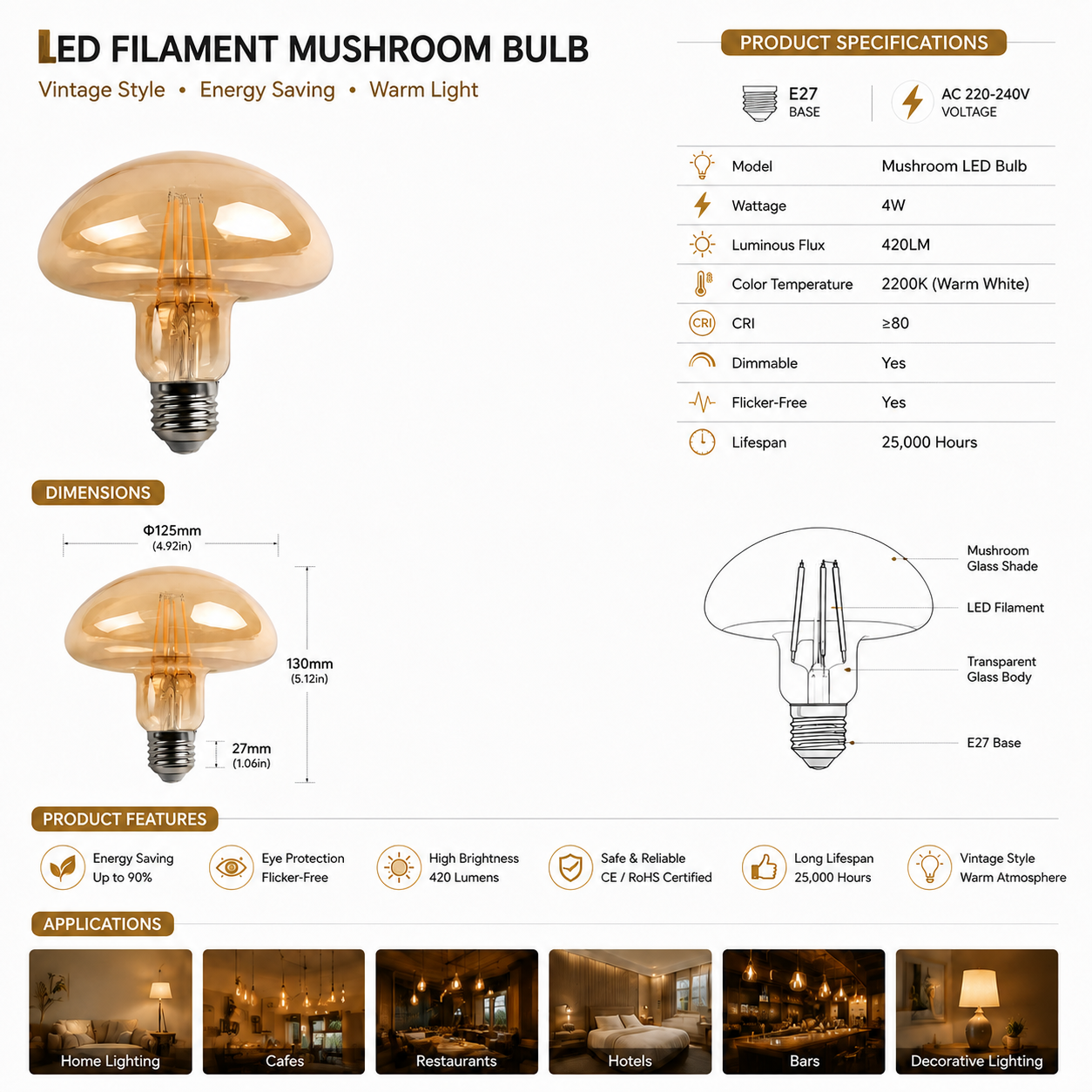
Choosing the best decorative bulbs for cafés is less about chasing a trendy look and more about creating a lighting scheme that supports the room, the service style, and the day-to-day realities of a busy venue. A café bulb has to do more than look attractive in a pendant or wall fitting. It should help shape the atmosphere, hold up to repeated use, and stay practical for operators, distributors, and installers who need dependable specification choices.
For B2B buyers, the real question is not whether a bulb looks vintage or modern. It is whether the bulb fits the fixture, the control method, the maintenance plan, and the brand experience you want customers to feel. That is why decorative lighting for cafés should be selected with clear sightlines, comfortable light distribution, and easy replacement in mind.
What makes a café bulb “decorative” in practice?
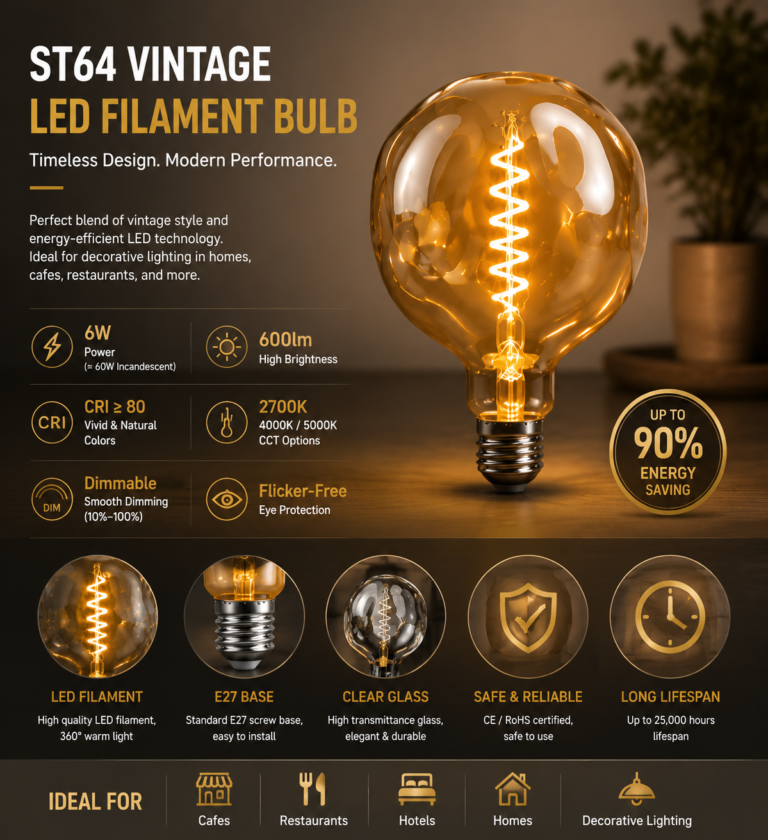
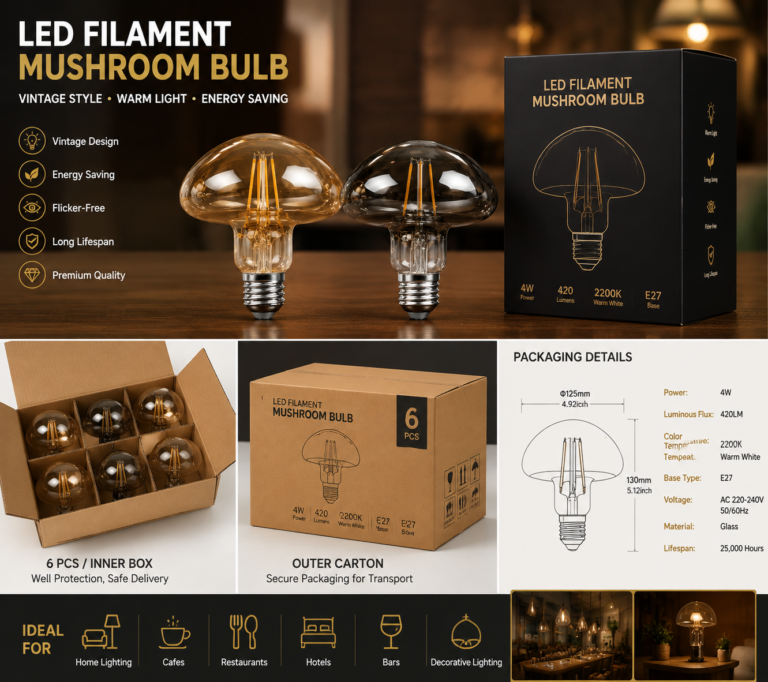
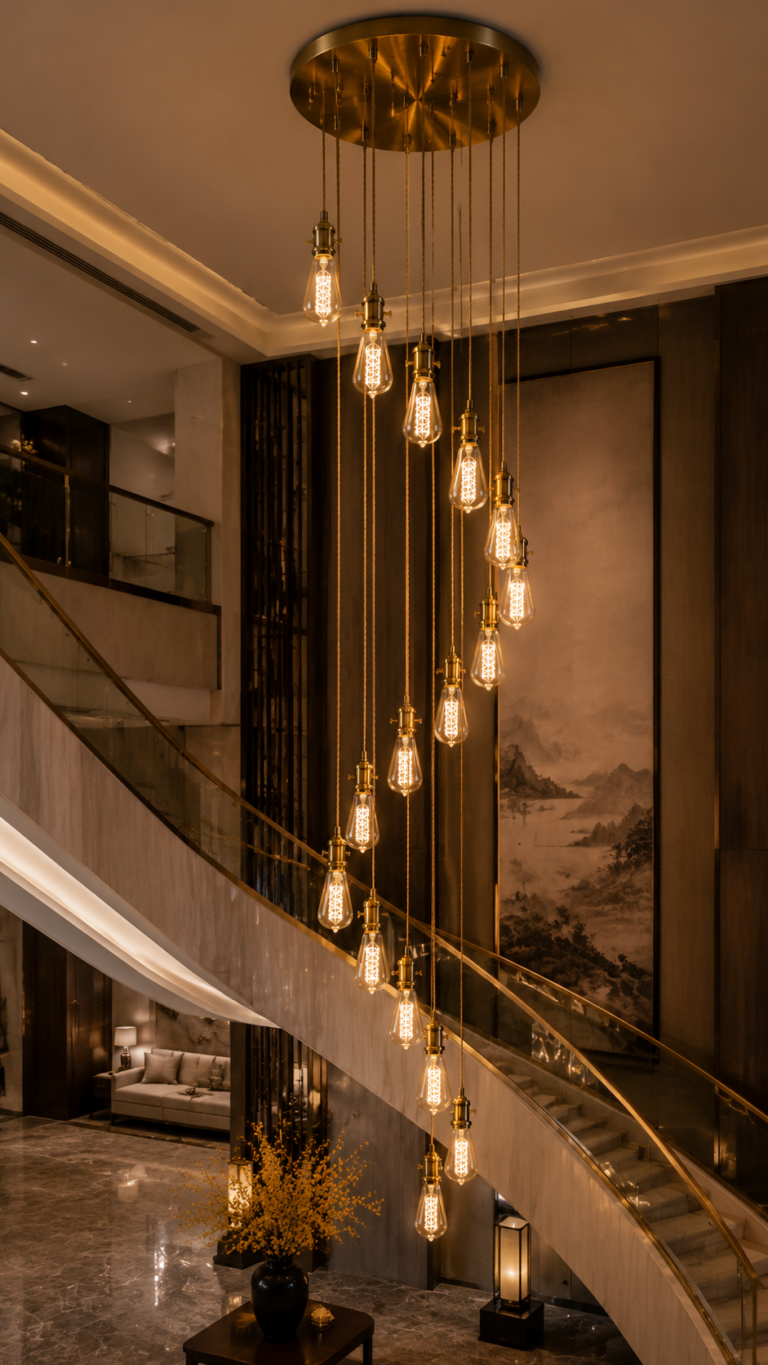
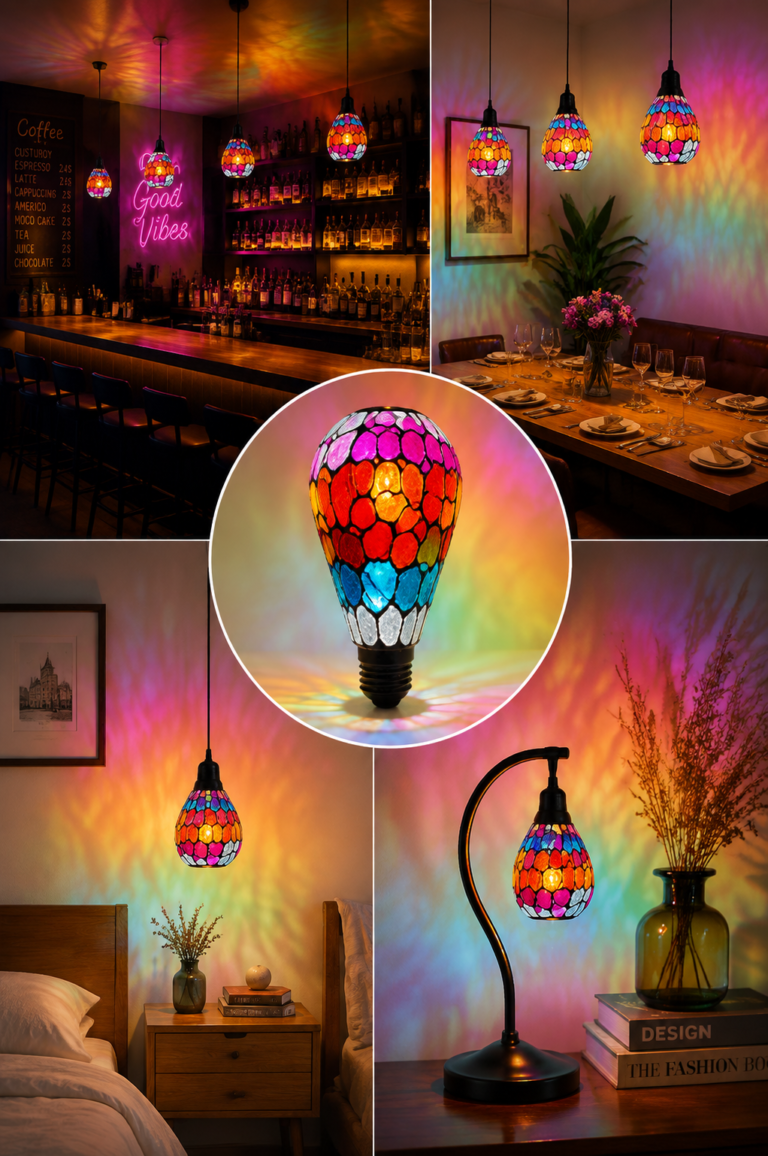
Decorative bulbs are visible as part of the design. In cafés, they often sit in open pendants, exposed sconces, cluster fittings, or counter lighting where the bulb itself becomes part of the décor. This means the bulb envelope, filament appearance, and glow quality matter almost as much as raw light output.
A good choice typically does three things well:
- Supports the interior style without looking forced or overly theatrical.
- Produces a comfortable visual effect for seated guests and staff.
- Remains practical to source and maintain across repeated purchases or project rollouts.
For many projects, LED filament bulbs are the most flexible starting point because they can deliver a classic decorative appearance while aligning better with lifecycle cost expectations than frequent-replacement alternatives. That does not make them automatically right for every café, but it does make them worth reviewing early in the specification process.
Start with the café’s lighting job, not the bulb style
The same bulb can feel inviting in one café and awkward in another. Before comparing shapes, ask what the light needs to accomplish in each zone.
Front-of-house seating
Guest seating usually benefits from decorative bulbs that create warmth and visual comfort without harsh contrast. Here, the bulb is part of the ambience and should reinforce the café’s identity. If the fixture is exposed, the bulb form becomes especially important.
Counter and ordering areas
At the counter, lighting needs to support quick reading, menu visibility, and clear facial recognition. Decorative bulbs can still work here, but the design should avoid glare or overly dim presentation that makes the space feel underlit.
Window and feature areas
Bulbs in display zones or window-facing fittings may play a stronger visual role after dark. In these cases, consistency matters: the light should look intentional from both inside and outside the café.
Compare bulb shapes with the fixture, not against a catalog photo
Decorative bulbs are highly dependent on context. A shape that looks elegant in a sample photo may be wrong for the actual pendant depth, shade opening, or viewing angle. This is why fixture compatibility should be checked before style preferences are finalized.
Some common selection patterns include:
- Globe-like forms for open decorative pendants where the bulb is meant to be seen.
- Classic filament silhouettes for vintage-inspired interiors that need a softer visual cue.
- More compact decorative shapes for tighter fittings or multi-bulb arrangements.
If a fitting uses dimming or layered lighting, consider whether the bulb retains an attractive appearance at lower output. A bulb that looks good only at full brightness can disappoint once the café opens to real customer traffic and different lighting scenes.
Balance ambience with operating cost, carefully
When buyers talk about energy efficiency or lifecycle cost, the best approach is transparent qualitative reasoning. A lower-maintenance bulb may be worth more than a cheaper unit if the venue values fewer service interruptions, easier stocking, and more predictable replacement cycles. In hospitality lighting, operational convenience often carries real value even when it is not visible on a quotation sheet.
That said, lifecycle cost is not only about the lamp itself. It also includes labor, access difficulty, lost time during replacement, and the effect of premature failures on guest perception. A café with high ceilings or hard-to-reach fittings may prioritize stability and consistency over the lowest purchase price. A small neighborhood café may care more about initial flexibility and the ability to adjust the look over time.
This is why energy-efficient lighting should be assessed in the broader context of the site. Efficiency matters, but only when the bulb also satisfies appearance, control, and maintenance requirements. An inexpensive but awkward bulb can become a poor-value choice if it requires frequent attention or undermines the atmosphere.
Key selection criteria for cafés
| Selection point | What to look for | Why it matters |
|---|---|---|
| Visual warmth | A glow that matches the café’s mood and finishes | Supports a relaxed guest experience |
| Bulb shape | A form that suits the fitting and viewing angle | Prevents awkward visual imbalance |
| Control compatibility | Works with the intended dimming or switching approach | Helps create flexible service periods |
| Maintenance access | Simple replacement path and consistent sourcing | Reduces disruption for operators |
| Project repeatability | Stable appearance across orders | Useful for chains, distributors, and installers |
Specification questions to ask before purchase
Before placing a wholesale order, ask the supplier to confirm the exact specifications rather than relying on a general product description. This is especially important in commercial lighting, where compatibility issues often show up only after installation.
- Does the bulb fit the existing fixture dimensions and enclosure?
- Is the bulb intended for decorative use, general illumination, or both?
- Will it work with the site’s switching or dimming method?
- Are replacement units likely to match in appearance across future orders?
- Is the bulb easy to stock consistently for multi-site rollouts?
These questions help avoid downstream surprises and are especially useful for distributors and installers who need to manage expectations across different café concepts.
Where to source decorative café bulbs
For buyers building a project shortlist, it can help to review broader product families rather than making a one-off choice. The Decorative LED Bulbs collection is a useful starting point when evaluating visible bulbs for café interiors. If you want a wider range of visual options, the Decorative Light Bulbs category may also help narrow form and finish preferences. For projects where appearance and dimming behavior both matter, the Dimmable LED Bulbs range can be worth reviewing. Buyers seeking broader project coordination may also find the full LED Bulbs selection helpful when comparing fitting types and use cases.
Because no verified TITK-specific performance facts are supplied here, confirm exact specifications, compatibility, and ordering details directly with the supplier before finalizing a project bill of materials.
A practical buying conclusion
The best decorative bulbs for cafés are the ones that look right, fit properly, and stay manageable over time. In many cases, the smartest decision is a bulb that balances atmosphere with straightforward replacement and dependable availability. A beautiful café interior still has to work on a busy Tuesday, not only on opening day.
For international B2B buyers, distributors, installers, and informed consumers, the most reliable method is simple: define the lighting job, check fixture compatibility, confirm control requirements, and compare the whole-life burden of each option. That approach leads to better decorative lighting decisions, fewer service issues, and a more coherent customer experience.
If you are reviewing café projects now, start with the fixture, the mood, and the maintenance plan, then shortlist the bulb styles that genuinely fit all three.