Best Candle Bulbs for Chandeliers: A Practical Buyer’s Guide
A practical comparison of LED candle bulb shapes, filament designs, dimming options, colour temperatures, and purchasing criteria for chandelier projects.

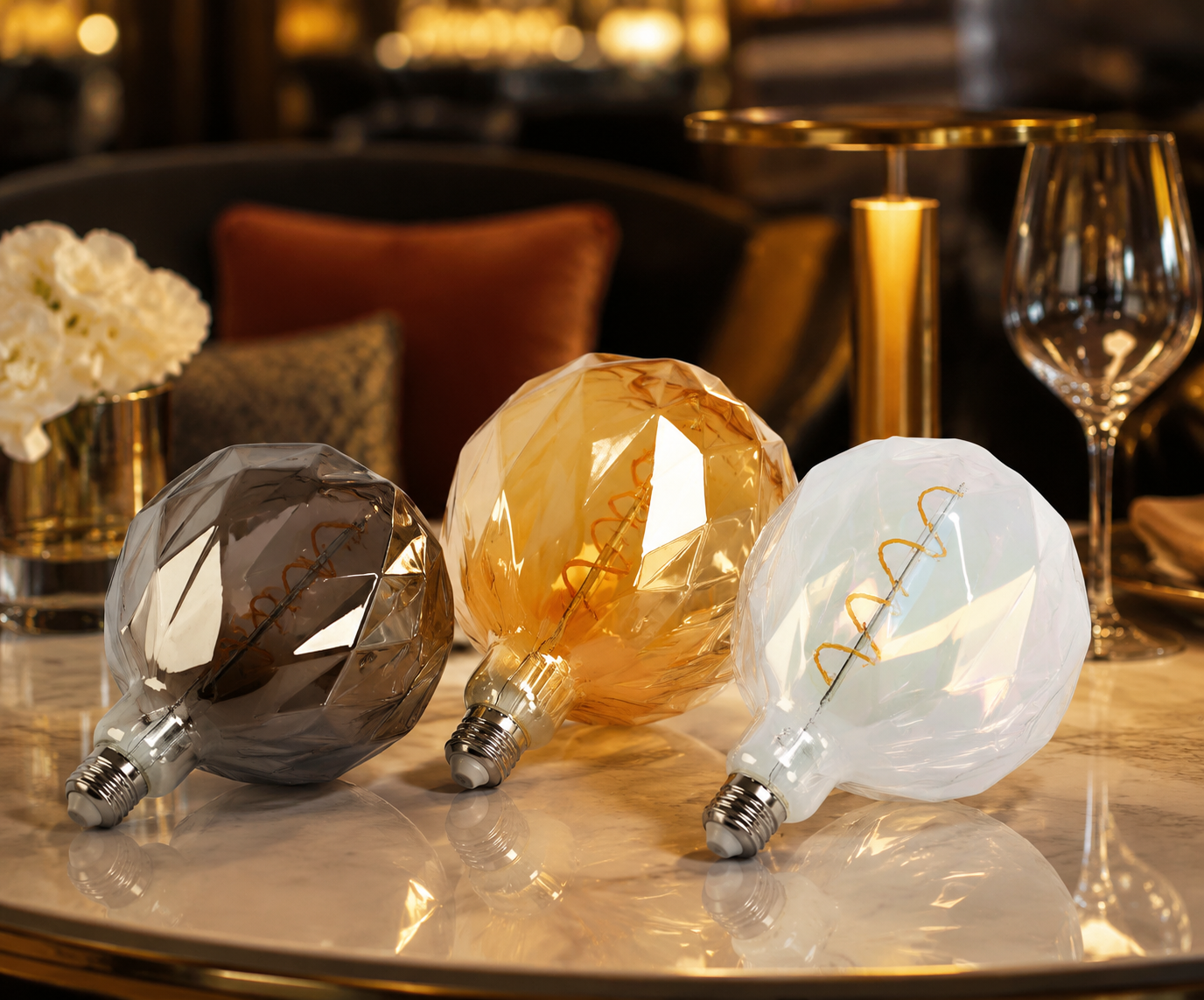
Choosing the best candle bulbs for chandeliers involves more than selecting a decorative shape. The bulb must fit the fixture, complement the interior, provide comfortable light, and work reliably with the installed control system. For distributors, installers, and project buyers, the decision also includes supply consistency, documentation, packaging, and compatibility across markets.
LED candle bulbs are commonly used in residential chandeliers, hotels, restaurants, reception areas, event venues, heritage interiors, and retail displays. The right specification depends on how visible the bulb is, whether the chandelier is viewed from close range, and whether the lighting is intended for atmosphere or general illumination.
Start with the chandelier and the application
Before comparing bulb technologies, inspect the fixture. Record the lamp holder type, available clearance, maximum permitted electrical load, operating voltage, and whether the chandelier is enclosed or open. The bulb’s overall length and widest point are especially important in multi-arm fixtures, where adjacent lamps can obstruct one another.
Also consider the viewing distance. A chandelier above a dining table may expose the bulb from several angles, making the filament appearance and glass finish important. In a tall lobby or stairwell, the overall silhouette may matter more than close-up detailing. Hospitality projects should additionally consider replacement access, cleaning routines, and consistency between lamps installed at different times.
Compare the main LED candle bulb approaches
Traditional candle-shaped LED bulbs
The classic candle profile has a tapered body and is the safest visual choice for many chandeliers. It preserves the proportions of traditional decorative lamps and usually works well with shades, bobeches, and exposed sockets.
Its main advantage is versatility: it can suit classic, transitional, and contemporary interiors. The trade-off is that some versions use an opaque or frosted diffuser, which may soften the decorative effect but can hide the internal light source. This approach is suitable when visual refinement and comfortable brightness are more important than a highly visible filament.
Flame-tip candle bulbs
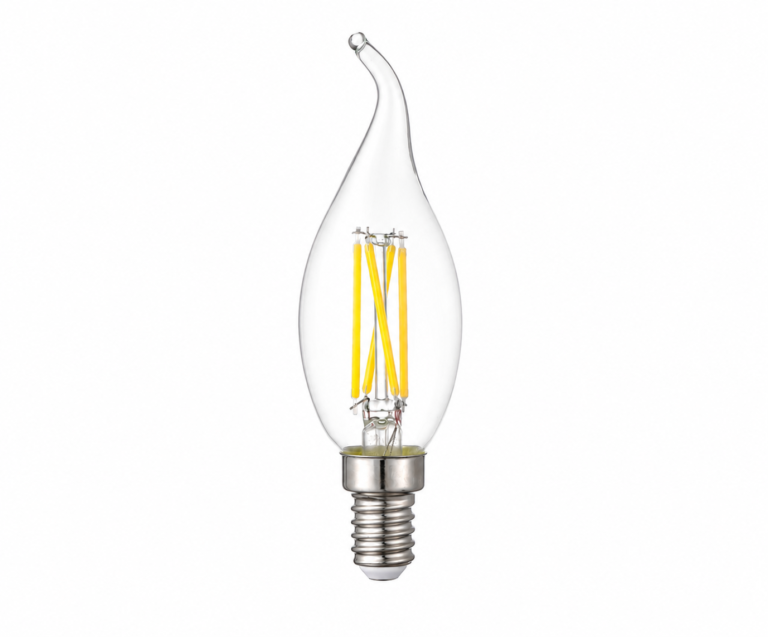
Flame-tip designs add a pointed or curved detail at the top of the bulb. They are often selected for ornate chandeliers, period interiors, and applications where the lamp should reinforce a candle-like appearance.
The shape can be visually distinctive, but it may not suit every modern fixture. Buyers should check the complete profile rather than relying on a product photograph, particularly where the chandelier has narrow candle sleeves or closely spaced arms.
LED filament candle bulbs
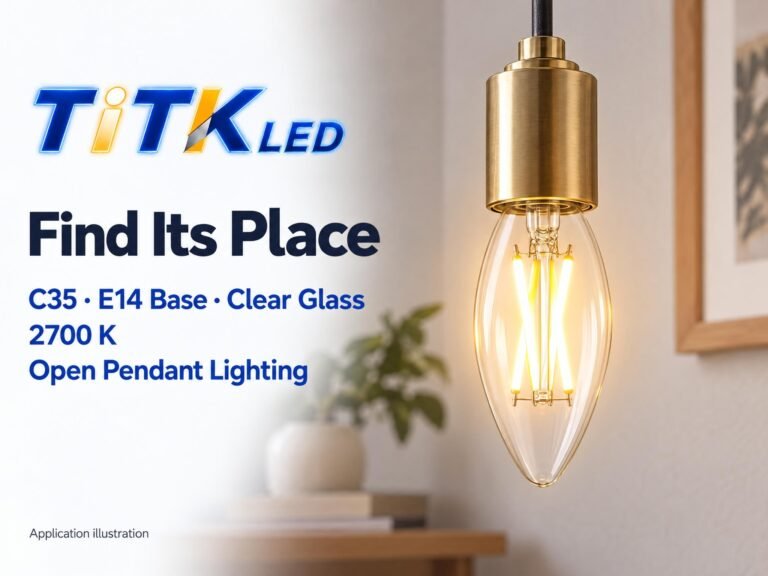
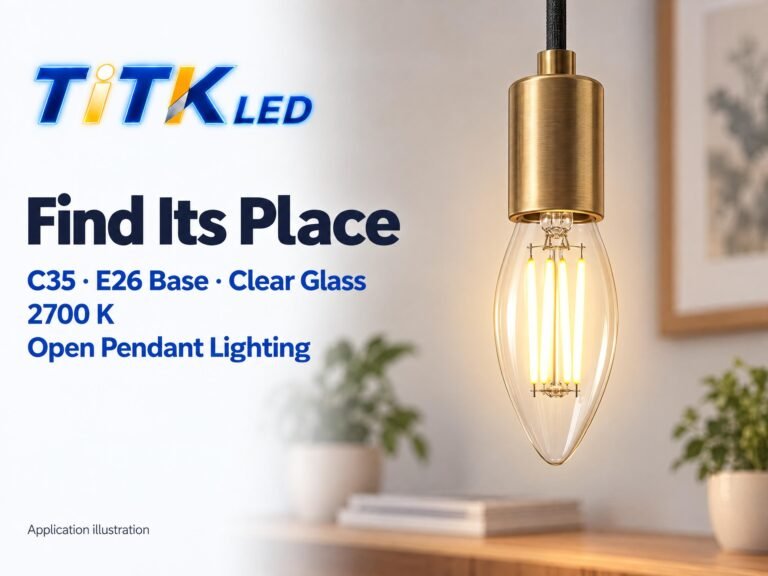
Filament versions use visible LED strips or rods arranged to resemble traditional filaments. In an exposed chandelier, this design can create a more authentic decorative effect and reduce the visual contrast between the fixture and the lamp.
The trade-off is that visible filaments can appear brighter or more directional when viewed directly. Select the bulb according to the desired atmosphere, diffuser or glass finish, and the position of the chandelier in the room. For a broader comparison of decorative formats, review the LED candle bulb range and confirm the individual specification with the supplier.
Flexible-filament and specialty decorative designs
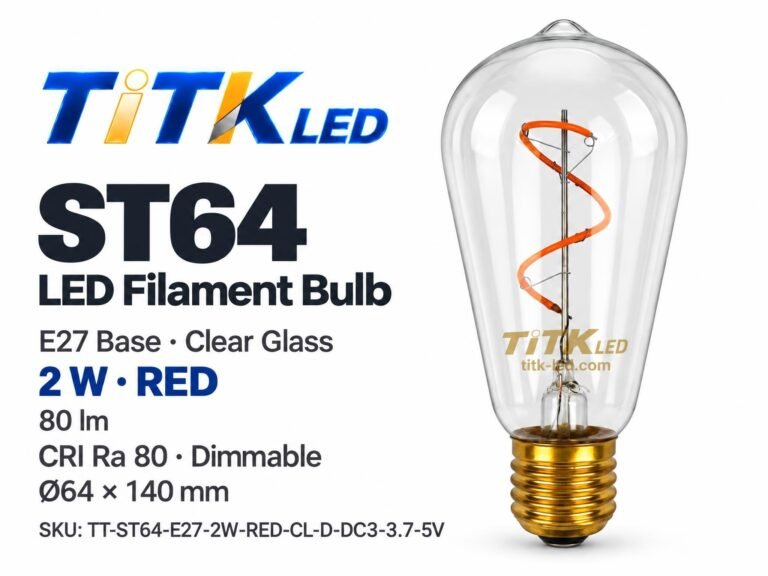
Flexible-filament bulbs can offer unusual internal arrangements, curved lines, or more expressive visual patterns. They may be appropriate for boutique interiors, feature chandeliers, and projects where the bulb is part of the design language.
These products should be assessed carefully for consistency. Ask for product drawings, photographs from multiple angles, colour consistency information, and clear details about electrical compatibility. A distinctive design is valuable only when replacement lamps retain the same appearance.
Key decision criteria for chandelier bulbs
Shape, base, and physical fit
Confirm the lamp holder, bulb diameter, total length, and neck or base dimensions. A candle bulb that fits the socket may still interfere with a shade, decorative sleeve, or neighbouring arm. If the chandelier is being supplied internationally, check that the proposed base and voltage configuration match the destination market.
For bulk orders, request a dimensional drawing and approval sample before committing to a full shipment. This simple step helps identify clearance issues that may not be visible in a catalogue image.
Light distribution and visual comfort
Exposed chandelier lamps are viewed directly, so glare control matters. Clear glass and visible filaments usually create a more sparkling appearance, while frosted glass can produce a calmer and more diffused effect. The choice should reflect the room’s finishes, ceiling height, and expected viewing angles.
Look beyond nominal wattage or lumen figures. Ask how the lamp distributes light, whether the diffuser changes the appearance of the filament, and whether the supplier can provide consistent colour and photometric documentation for the selected model.
Colour temperature and colour quality
Warm light is commonly preferred for decorative chandeliers because it supports an intimate and welcoming atmosphere. Neutral light may be more suitable where the chandelier also contributes to task visibility or where the surrounding scheme uses cooler finishes.
Colour rendering is equally important in restaurants, hotels, retail spaces, and residential interiors. Confirm the stated colour temperature, colour-rendering information, and colour consistency requirements with the supplier. Do not assume that two bulbs with similar descriptions will produce the same visual result.
Dimming and control compatibility
Dimming is often requested for chandeliers, but compatibility depends on the bulb, dimmer, wiring arrangement, and control method. Possible issues include flicker, limited dimming range, start-up behaviour, or uneven performance when many lamps are connected to one control.
Where dimming is required, specify the dimmer model or control protocol during procurement and request compatibility guidance. A suitable starting point is the dimmable LED bulb category, followed by project-specific confirmation from the supplier.
Clear versus frosted glass: a practical trade-off
| Option | Strengths | Potential limitations | Suitable applications |
|---|---|---|---|
| Clear glass | Shows the filament and creates a crisp decorative effect | May produce more direct glare when viewed closely | Exposed chandeliers, feature interiors, heritage-style fixtures |
| Frosted or opal glass | Softens the appearance and can improve visual comfort | Hides some filament detail and may look less traditional | Dining areas, hospitality rooms, bedrooms, and close-view installations |
Procurement checks for B2B buyers
Distributors and installers should evaluate more than the unit price. Build a specification sheet covering base, voltage, physical dimensions, power, light output, colour temperature, colour rendering, dimming status, glass finish, operating environment, packaging, and replacement availability.
Ask whether samples, technical datasheets, product drawings, installation guidance, and test documentation are available. If the project spans multiple locations, establish how revisions will be controlled and how future replacement lamps will be identified. This is particularly important for chandeliers containing many visually exposed bulbs.
For broader decorative projects, the decorative LED bulb selection can help compare shapes and styles. Buyers seeking a more traditional oversized appearance may also review LED globe bulbs, although globe profiles are not a direct substitute where a chandelier requires a candle silhouette.
Which candle bulb is best for each situation?
- Classic residential chandelier: Choose a traditional candle shape with a warm appearance and a finish that suits the fixture’s level of ornamentation.
- Exposed hotel or restaurant chandelier: Prioritise consistent appearance, comfortable glare levels, replacement planning, and confirmed dimming compatibility.
- Heritage or period-style interior: Consider a flame-tip or clear filament design, provided the dimensions and visual authenticity are appropriate.
- Contemporary feature chandelier: Compare clean candle profiles with specialty filament arrangements, using the bulb as part of the overall design.
- Chandelier with fabric shades: Focus on physical clearance, heat management, light distribution, and the appearance of the bulb through the shade.
Final selection checklist
- Measure the chandelier’s socket spacing and available clearance.
- Confirm the lamp holder, voltage, power, and environmental requirements.
- Choose the candle profile and glass finish based on viewing distance and interior style.
- Specify colour temperature, colour quality, and light distribution requirements.
- Test dimming with the intended control equipment where applicable.
- Approve a sample and technical documentation before placing a larger order.
- Confirm packaging, replacement identification, and specification consistency with the supplier.
The best candle bulbs for chandeliers balance appearance, fit, comfort, control compatibility, and long-term supply practicality. TITK buyers can use these criteria when reviewing available options, then contact the supplier to verify current specifications, samples, and project suitability before purchase.