Best LED Bulbs for Wall Sconces: A Practical Selection Guide
Choose LED bulbs for wall sconces by balancing glare control, visual comfort, style, dimming, socket compatibility and installation conditions.

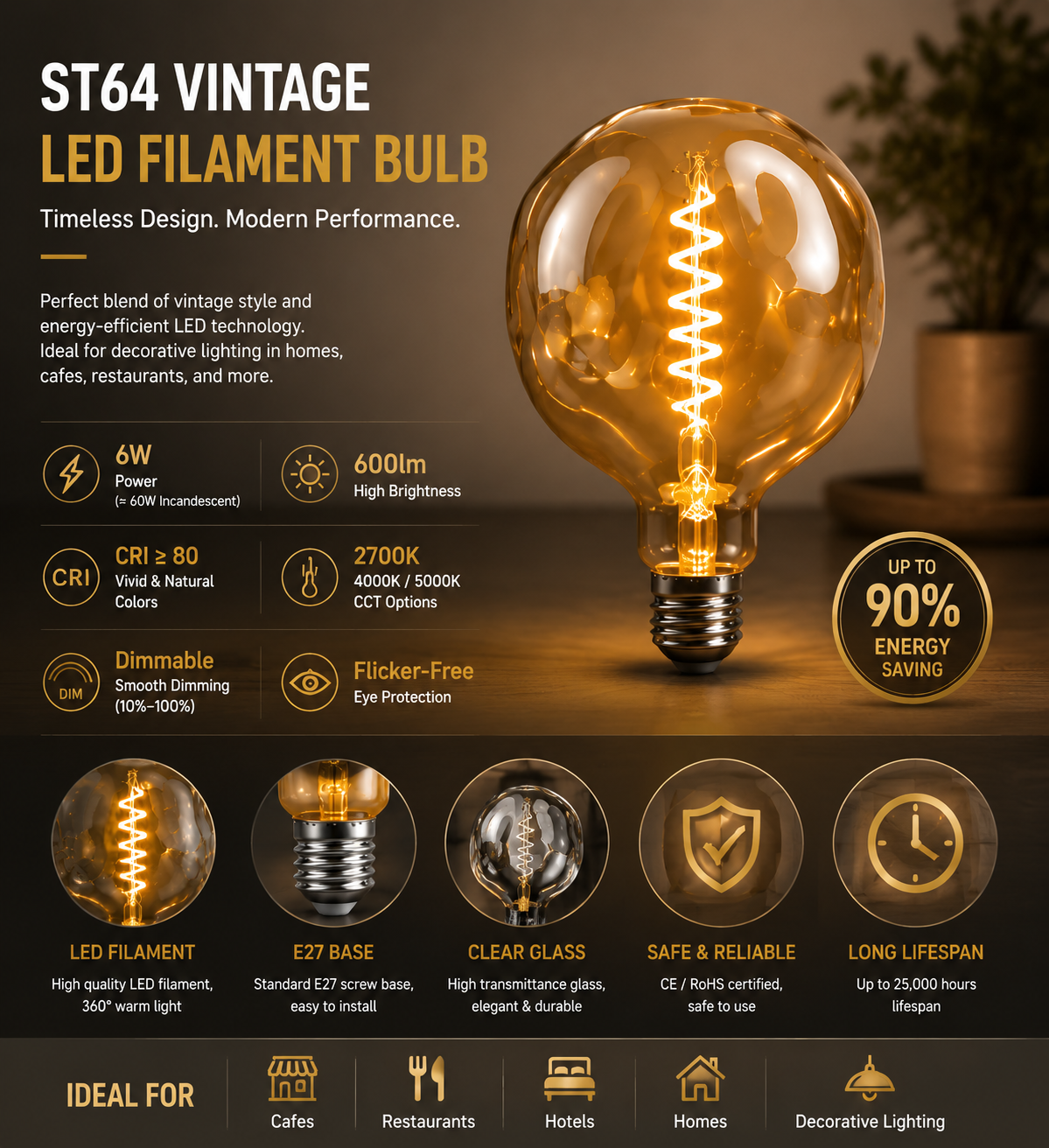
Wall sconces are practical and architectural fixtures, but they can be difficult to specify. The bulb may be visible from several viewing angles, sit close to a wall, operate behind a shade, or be controlled by a dimmer. A bulb that works well in an open pendant may therefore create glare, uneven illumination or an unsuitable appearance in a sconce.
The best LED bulbs for wall sconces are not selected by shape alone. Buyers should consider the fixture’s optical design, the intended atmosphere, electrical compatibility, thermal conditions and the way people experience the space. This guide provides a practical framework for hospitality projects, retail interiors, residential developments and architectural applications.
Start with the wall sconce, not the bulb
Before comparing bulb types, inspect the fixture and installation position. Determine whether the sconce is upward-facing, downward-facing, open, enclosed, shaded or designed to expose the lamp. Also note whether the bulb sits close to a wall or behind a diffuser.
These details affect glare, shadowing and heat. A clear decorative bulb may look attractive in an open fitting but produce uncomfortable points of brightness at eye level. A frosted or diffused bulb can create a softer appearance, particularly in corridors, bedrooms, reception areas and residential circulation spaces.
Check the socket type, available lamp dimensions and the maximum permitted lamp size stated by the fixture manufacturer. The bulb must not touch the shade, housing or diffuser unless the fixture is specifically designed for that arrangement. For enclosed sconces, confirm that the selected LED bulb is suitable for the thermal environment with the supplier.
Match the bulb shape to the sconce design
Compact lamps for shaded and narrow fixtures
Compact shapes are often appropriate when a sconce has a small shade or restricted internal space. They can provide a clean fit without pressing against the diffuser. However, a compact bulb may distribute light differently from a larger globe or tubular lamp, so the optical result should be reviewed inside the actual fixture.
Globe bulbs for visible, rounded forms
Globe bulbs can complement rounded sconces, vanity-style fixtures and decorative wall fittings. Their wider form may fill the opening more evenly than a narrow lamp. Review the bulb diameter and visible surface carefully; an oversized globe can make a compact sconce appear crowded.
Explore the LED globe bulb range when the fixture calls for a rounded decorative profile.
Filament and Edison-style designs for exposed lamps
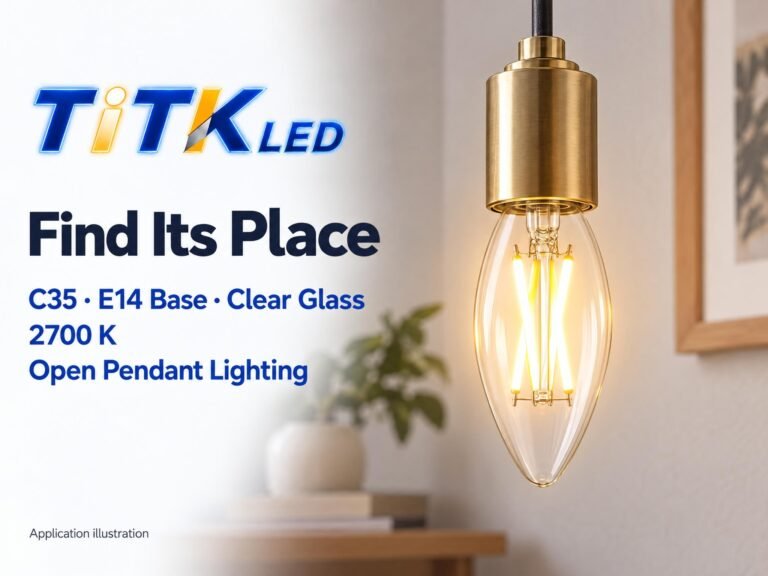
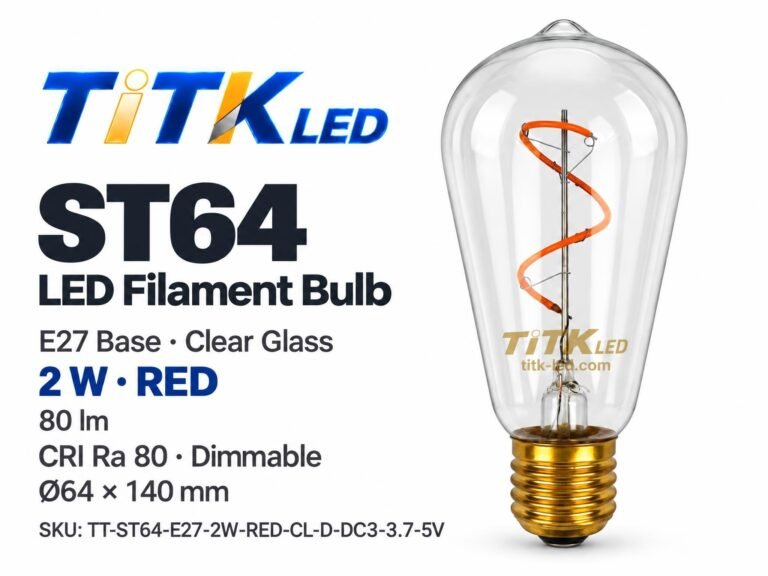
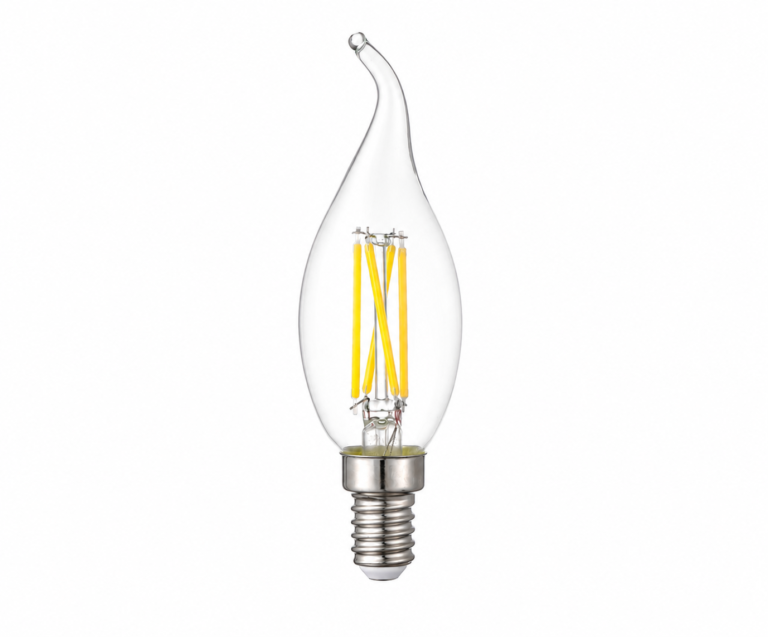
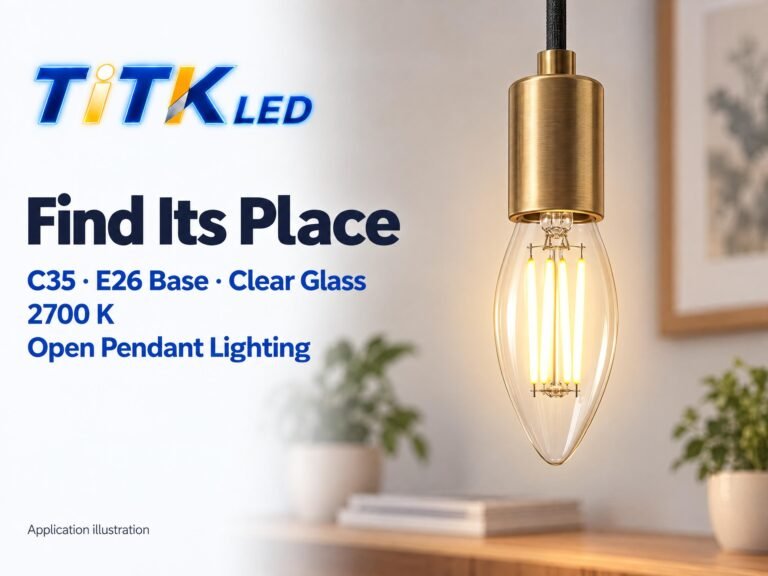
When the bulb is part of the visual design, LED filament or Edison-style options can support a vintage, industrial or hospitality aesthetic. Their appearance should match the metal finish, shade material and surrounding architectural language. Choose a diffused or carefully positioned option if the exposed filament would be directly visible to occupants.
For decorative exposed sconces, compare LED filament bulbs by shape, glass appearance, base, light distribution and control compatibility rather than by appearance alone.
Choose light quality for the application
Color appearance strongly influences how a wall sconce feels. Warm light is commonly associated with relaxation, residential comfort and intimate hospitality settings. A more neutral appearance may suit retail, circulation areas, work-oriented interiors or spaces where finishes and products need a cleaner visual presentation.
Consistency matters in multi-fixture installations. If a corridor, hotel room group or retail zone uses several sconces, specify the same light color, bulb family and control behavior wherever possible. Mixing lamps from different sources can create visible differences in tone, brightness distribution or glass appearance.
Color rendering should also be considered. In guest rooms, showrooms, restaurants and residential interiors, accurate rendering helps finishes, textiles, artwork and skin tones appear more natural. Ask the supplier for the relevant color-rendering information and confirm that it suits the project’s visual requirements.
Control glare and improve visual comfort
Wall sconces are frequently installed at eye level, making glare a major selection issue. Look at the fixture from the main approach paths, seating positions and adjacent rooms. A clear bulb with a concentrated bright area may be visually distracting even when the total light output is appropriate.
Frosted glass, diffused optics and suitable shade materials can soften the view of the light source. A wider distribution may help illuminate the surrounding wall, while a more controlled distribution can reduce spill into bedrooms, guest spaces or neighboring areas. The correct choice depends on the sconce’s reflector, shade and intended lighting effect.
For decorative applications, review decorative LED bulb options alongside the fixture design. Do not judge the bulb in isolation; request samples or conduct a visual mock-up when the installation is prominent or repeated across a project.
Confirm dimming and electrical compatibility
Dimming is often expected in hospitality, residential and premium commercial interiors. A bulb described as dimmable still needs to be compatible with the installed dimmer, control system and circuit arrangement. Confirm the permitted dimming method with the supplier and the controls manufacturer before approving the specification.
Ask about minimum load requirements, start-up behavior, dimming range, flicker performance and compatibility with the intended control equipment. If dimming is not required, a non-dimmable option may simplify the installation, but the decision should follow the project’s control strategy rather than assumptions.
Review the dimmable LED bulb category when the wall sconces will connect to dimmers or scene-control systems. For international purchasing, also confirm the required voltage, frequency, lamp base and regional electrical requirements with the supplier.
Use this buyer checklist
- Confirm the socket or lamp base and the maximum permitted bulb dimensions.
- Identify whether the sconce is open, shaded, enclosed, upward-facing or downward-facing.
- Choose a light appearance that suits the room’s purpose and interior materials.
- Compare clear, frosted and diffused options according to viewing angle and glare risk.
- Check the bulb’s distribution inside the actual fixture, not only in catalogue images.
- Confirm dimming compatibility if a wall control, sensor or building-management system is used.
- Ask about suitability for enclosed fixtures and heat conditions.
- Maintain consistent bulb specifications across repeated sconces.
- Request samples, technical data and installation guidance for larger projects.
Procurement considerations for projects and distribution
For commercial and hospitality orders, document the complete lamp specification before placing a purchase order. Include shape, finish, base, light appearance, control requirements, fixture limitations and packaging expectations. A product code alone may not capture the details needed for repeat purchasing.
Distributors should distinguish between decorative appearance and application suitability. Installers need clear information on orientation, enclosure, dimming and replacement procedures. Buyers should also ask the supplier to confirm current specifications, available variants and any regional requirements rather than relying on assumptions or older product images.
Where wall sconces are installed in guest rooms, corridors or public areas, plan replacement access and retain the approved bulb reference. This helps preserve visual consistency during maintenance and reduces the risk of substituting a lamp with a different shape, color appearance or control behavior.
Final recommendation
The best LED bulbs for wall sconces combine physical compatibility, comfortable viewing, appropriate light quality and reliable control behavior. Start with the fixture, assess how occupants see the lamp, then confirm the electrical and thermal requirements. For prominent installations, compare samples in the finished sconce before approving the full quantity.
TITK can be contacted for current product information and specification confirmation. Share the fixture type, application, socket, control method and target appearance so the supplier can help identify suitable options.