Hotel Filament Bulbs: Matching Form, Color and Beam
A practical guide to choosing LED filament bulbs for hotels by connecting visual intent with bulb shape, color temperature, light distribution, and installation constraints.

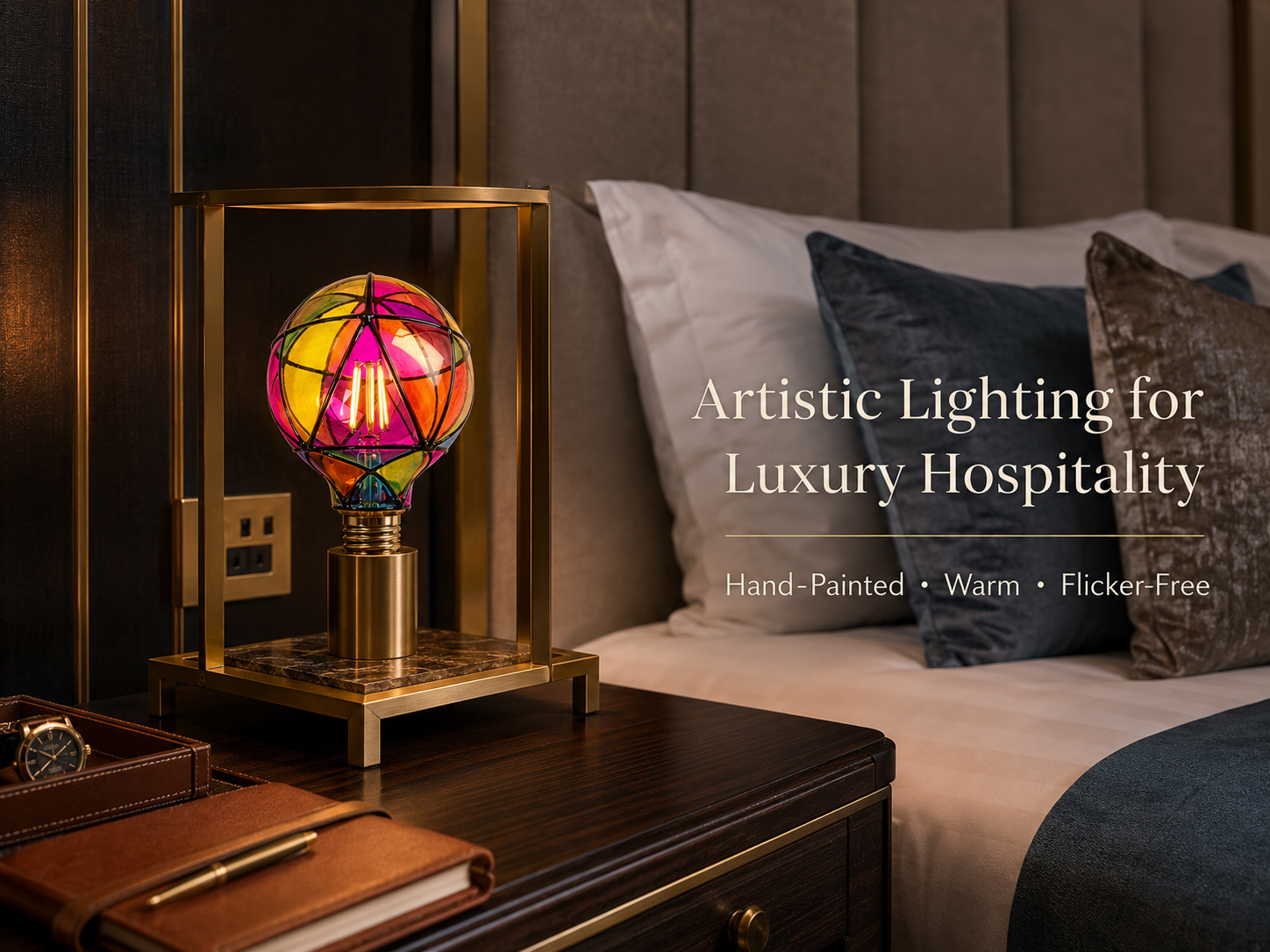
Choosing the right LED filament bulbs for a hotel is not simply a matter of selecting a warm decorative lamp. The bulb is part of the guest experience, but it must also work with the fitting, control system, maintenance plan, and local electrical requirements. A visually attractive bulb can still create glare, uneven illumination, poor dimming, or unnecessary replacement work if it is specified without considering the complete application.
This hotel filament bulb buying guide connects five decisions: the visual goal, bulb form, color temperature, light distribution, and practical site constraints. The best choice is the one that supports the interior concept while remaining predictable for procurement, installation, and operation.
Begin with the visual goal
Start by deciding what the bulb should contribute to the space. In some hotel areas, the lamp is visible and acts as a design element. In others, the shade or diffuser is the main visual feature, and the bulb should provide comfortable, controlled illumination without drawing attention.
- Decorative emphasis: Use a visible filament, distinctive glass shape, or tinted finish when the bulb is part of the fixture’s appearance.
- Quiet ambient light: Consider a frosted or diffused option when guests should notice the atmosphere rather than the light source.
- Task support: Prioritize useful illumination and glare control for desks, reading areas, vanities, and service points.
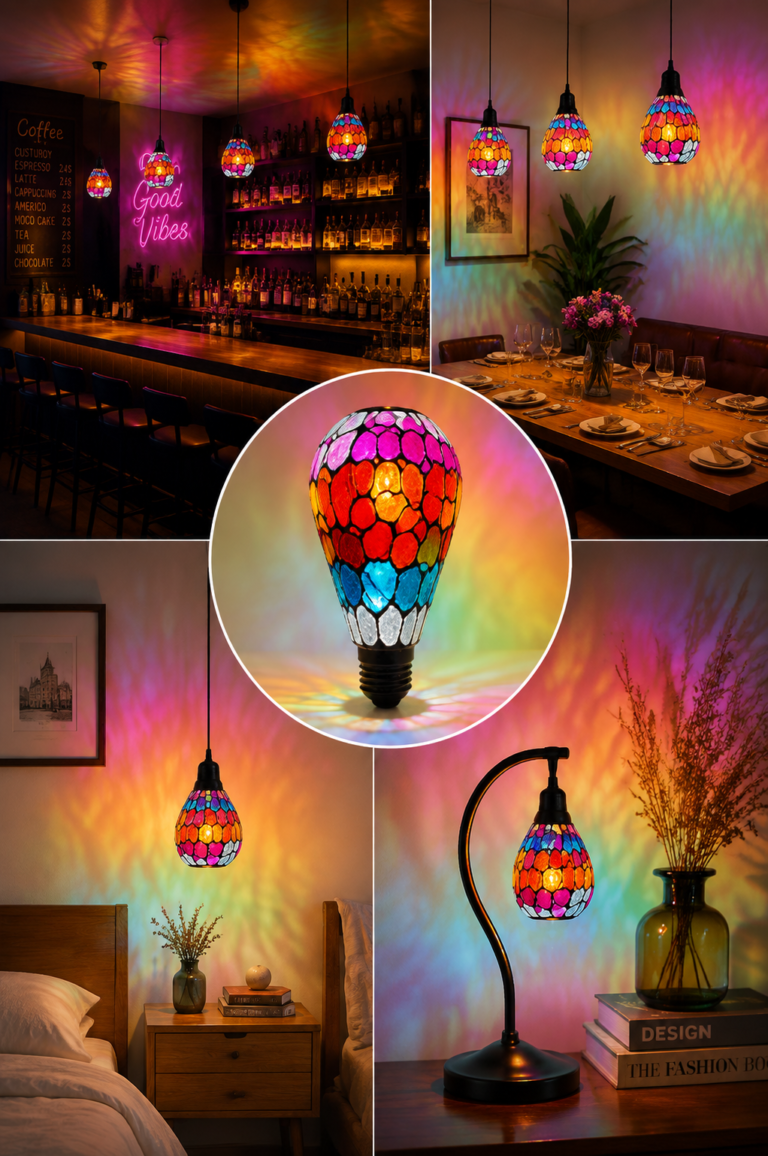
- Wayfinding and mood: Select a consistent warm tone and suitable distribution for corridors, lounges, reception areas, and bars.
It is useful to separate “decorative” from “functional” requirements. A clear filament bulb may look excellent in an open pendant but be uncomfortable when viewed directly at eye level. Conversely, a diffused bulb may be more suitable for a bedside lamp where guests need soft light and visual comfort.
Match bulb form to the fixture and interior
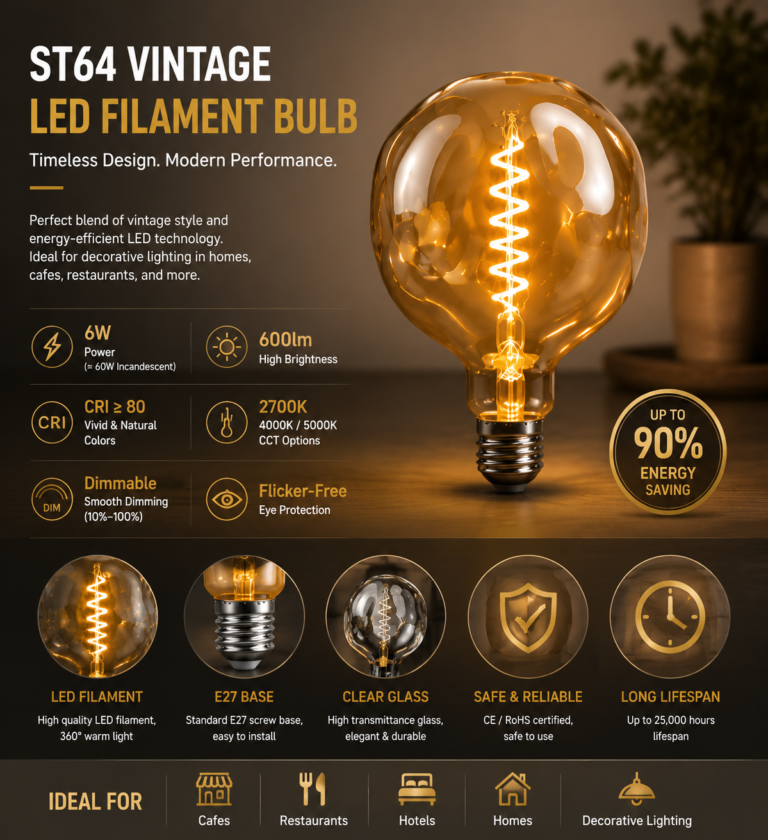
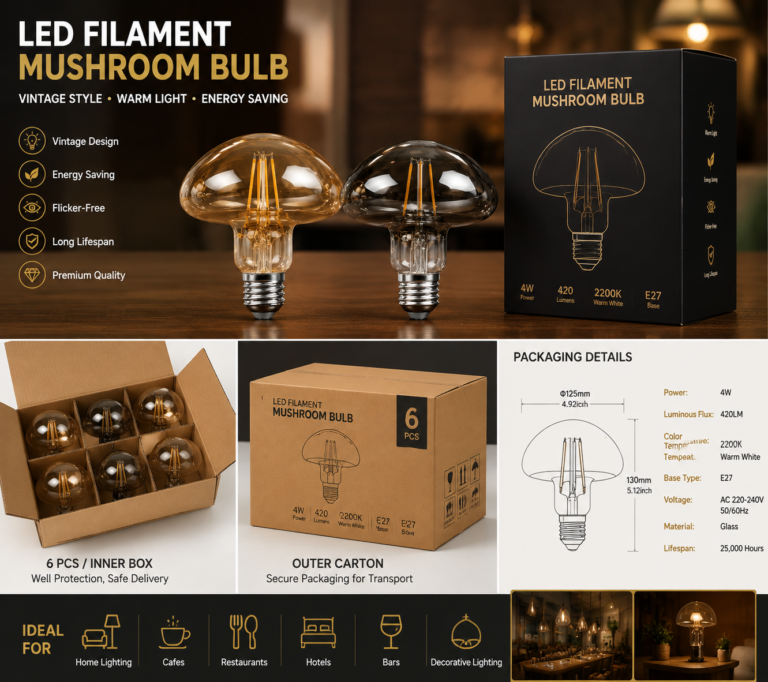
Bulb form affects both appearance and distribution. The glass profile should fit the scale of the fitting, the visible opening, and the intended viewing distance. Common choices include standard A-shaped lamps, globe bulbs, elongated tubular forms, Edison-style profiles, and candle-shaped lamps.
Visible bulbs and decorative fixtures
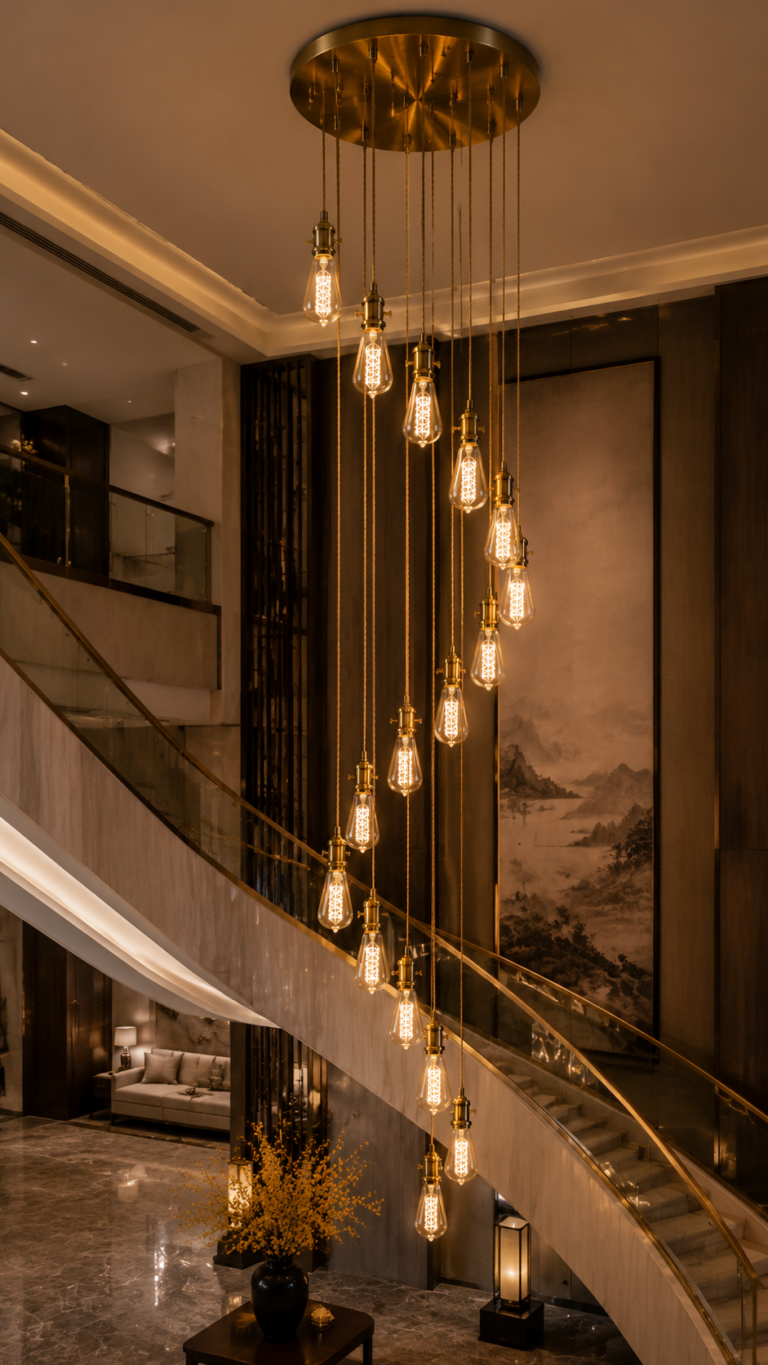
For open pendants, wall sconces, table lamps, and clustered fittings, the bulb’s silhouette can reinforce the design language. A globe profile can provide a fuller visual presence, while an elongated form can suit narrow pendants or vertical arrangements. Edison-style shapes may support a heritage-inspired interior, but the filament layout and glass tint should be checked from the actual viewing angle.
Explore TITK’s LED filament bulb range when comparing visible lamp forms. For more specific decorative profiles, the LED globe bulb category can help structure the selection process.
Shaded and enclosed fittings
When the bulb sits inside a shade, the external shape may matter less than its dimensions, base, light output, and thermal suitability. Confirm the maximum lamp size and the clearance around the bulb. An oversized lamp can distort a shade, while a small lamp may create an unwanted bright spot or fail to illuminate the shade evenly.
For enclosed fittings, confirm that the proposed bulb is suitable for that environment with the supplier. Do not assume that every decorative LED filament bulb is appropriate for an enclosed luminaire, high ambient temperature, or a fitting with limited ventilation.
Choose color temperature by guest experience
Color temperature should support the emotional and functional role of each hotel area. Warm white light is commonly associated with relaxation and intimacy, making it suitable for bedrooms, lounges, restaurants, and many reception settings. A more neutral white can help visual clarity in work areas, housekeeping zones, back-of-house spaces, and some bathroom applications.
For guest-facing decorative installations, very warm light can create a candle-like atmosphere, while a moderate warm white may preserve a cleaner appearance for fabrics, finishes, and architectural details. The correct choice depends on the interior palette, daylight contribution, fixture material, and whether the area is intended for rest, social activity, or detailed visual work.
Avoid mixing color temperatures casually within one sightline. Differences may become noticeable across bedside lamps, corridor sconces, reception pendants, and adjacent public areas. Before a large order, request samples or approved reference products and review them with the actual shade, dimmer, and surrounding finishes.
Control distribution, glare, and shadow
Distribution describes where the light goes, not only how bright the bulb appears. Filament arrangements can produce broad illumination, while the glass finish and fixture geometry can soften or redirect it. The result is determined by the bulb and the luminaire together.
- Open fixtures: Check the viewing angle and direct glare, especially where guests may look toward the lamp while seated or lying down.
- Reflective interiors: Consider how clear glass, polished metal, mirrors, and glossy stone may create multiple highlights.
- Shaded lamps: Check whether the bulb fills the shade evenly or produces a visible bright core.
- Reading and work areas: Assess the light on the task surface rather than judging the bulb only from a distance.
- Decorative clusters: Verify spacing and orientation so the combined pattern looks intentional and does not create distracting dark zones.
Where glare is a concern, a frosted or diffused option may be preferable to a fully clear lamp. Where the filament is a central design feature, use the fixture position, shade, and mounting height to control direct views rather than relying on appearance alone.
Check application constraints before ordering
Hospitality projects often involve many identical fittings across guest rooms and public areas. Small compatibility errors can therefore become recurring maintenance issues. Confirm the following before approving a specification:
| Check | Why it matters |
|---|---|
| Base and dimensions | Ensures the bulb fits the socket, shade, canopy, and available clearance. |
| Voltage and frequency | Must match the electrical system and the intended market. |
| Dimming | Requires compatibility between the bulb, dimmer, control method, and minimum load conditions. |
| Operating position | Some fittings may require a specific orientation or have limited ventilation. |
| Color consistency | Helps maintain a uniform appearance across rooms, floors, and replacement stock. |
| Documentation | Supports procurement, installation, troubleshooting, and future reordering. |
If dimming is part of the brief, review TITK’s dimmable LED bulbs and confirm the complete control-system compatibility with the supplier. A bulb described as dimmable should not be treated as automatically compatible with every installed dimmer.
Plan procurement for consistency and replacement
For distributors and hotel contractors, the initial sample is only one part of the decision. Record the approved bulb shape, glass finish, color temperature, base, dimensions, control requirements, and intended location. This information makes future replenishment more reliable and reduces the risk of visibly mismatched lamps.
Ask the supplier which specifications are controlled between production batches, how replacement references are identified, and whether the proposed product is intended for the operating conditions of the fitting. Also confirm applicable regional requirements, packaging expectations, lead times, and any project-specific documentation before placing an order.
Installers should inspect samples in the final fixture rather than approving the bulb in isolation. Check direct glare, shade appearance, dimming behavior, shadows, and color consistency from typical guest viewpoints. This practical review can reveal problems that are not obvious from a catalogue image.
A practical decision sequence
- Define whether the bulb is primarily decorative, ambient, or task-oriented.
- Measure the fitting and select a suitable bulb form and base.
- Choose a color temperature that supports the area’s mood and visual work.
- Review distribution, glare, shade interaction, and viewing angles.
- Confirm voltage, dimming, operating conditions, and local requirements.
- Approve a complete fixture sample before wider procurement.
- Keep the approved specification for maintenance and replacement orders.
For further comparison, TITK’s decorative LED bulb selection can be reviewed alongside the fixture design and project constraints. The final specification should always be confirmed with the supplier, particularly where dimming, enclosure, temperature, or regional electrical requirements apply.
Conclusion
The best LED filament bulb for a hotel is not defined by appearance alone. It must fit the fixture, support the intended guest experience, distribute light comfortably, and remain compatible with the project’s electrical and maintenance requirements. By evaluating form, color temperature, distribution, and constraints together, B2B buyers and installers can create a more consistent specification and avoid avoidable substitutions later.