Hotel LED Filament Bulb Selection: A Practical Guide
A practical guide to selecting LED filament bulbs for hotel rooms, lobbies, restaurants, corridors, and other hospitality applications.

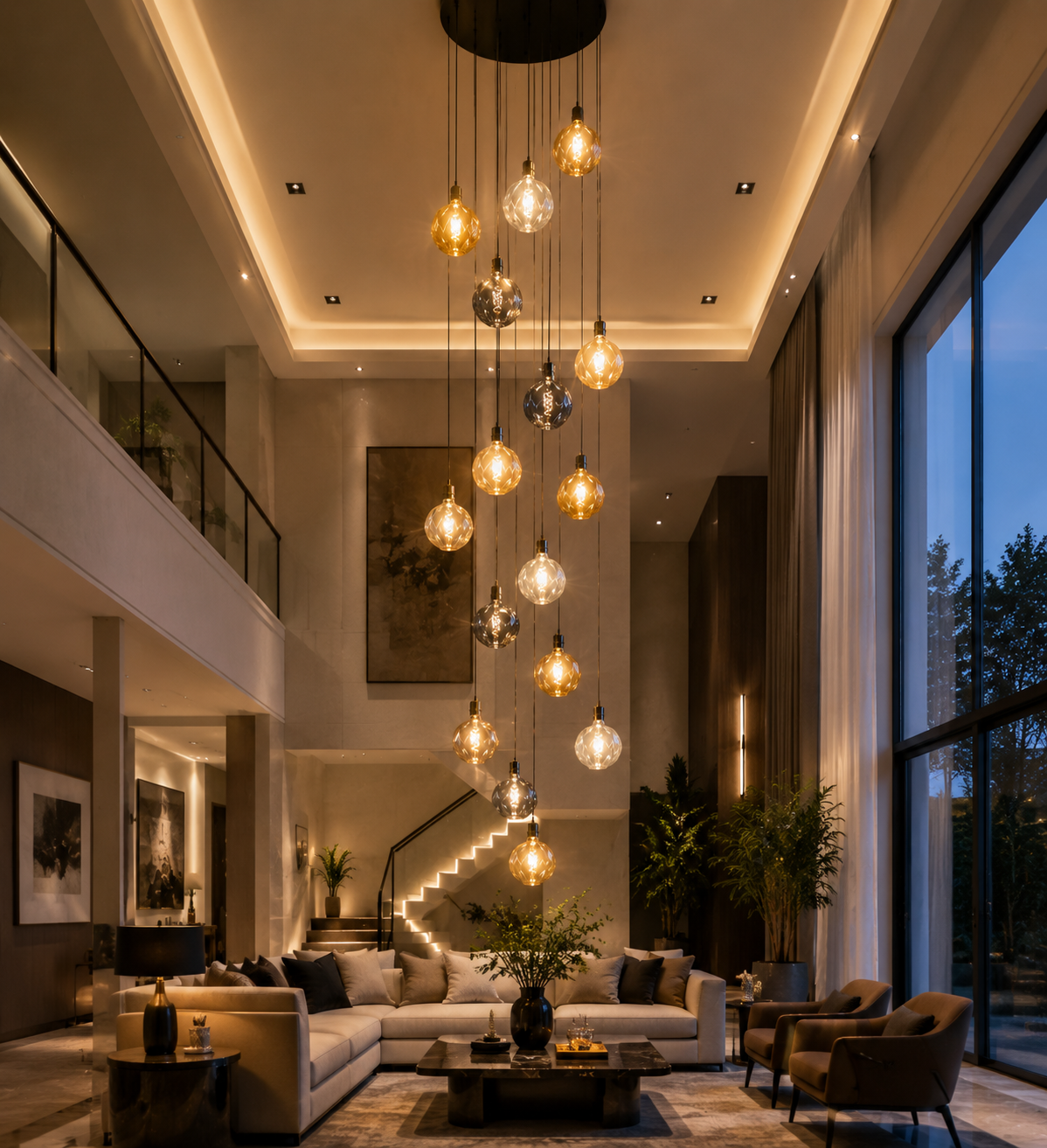
Hotel lighting has to do more than provide illumination. It contributes to arrival impressions, room comfort, restaurant atmosphere, wayfinding, and the perceived quality of interior finishes. LED filament bulbs are often considered for these applications because their internal filament structure remains visually attractive when used in exposed sockets, pendants, wall lights, chandeliers, and table lamps.
However, the most suitable bulb is not simply the one with the most decorative appearance. A reliable specification must balance visual character, light distribution, electrical compatibility, dimming behaviour, thermal conditions, maintenance access, and purchasing consistency. This guide explains how to approach hotel LED filament bulb selection for new projects, refurbishments, and replacement programmes.
Start with the hotel lighting application
Different hotel areas create different lighting requirements. A bulb that works well in a decorative bedside lamp may be unsuitable for a busy lobby fitting or a compact bathroom luminaire. Begin by grouping fixtures according to their role rather than choosing one model for the entire property.
Guest rooms and bedside lighting
Guest rooms generally benefit from a comfortable, low-glare atmosphere. Filament bulbs can suit bedside lamps, reading-area pendants, dressing tables, and decorative wall fittings, particularly when the lamp is visible and forms part of the interior design.
Check whether the fitting uses an exposed bulb or a shade. An exposed bulb places more emphasis on the filament arrangement, glass finish, and brightness distribution. A shaded lamp requires attention to the bulb’s shape and overall light output so that the shade does not create unwanted dark areas.
Lobbies, reception areas, and corridors
In public areas, the bulb must support both ambience and practical navigation. Decorative LED filament bulbs can be used in clusters, chandeliers, pendants, and wall fixtures, but the complete installation should be assessed for glare, viewing angles, and visual uniformity.
For corridors and circulation spaces, consider whether a decorative filament bulb is the primary light source or an accent within a wider lighting scheme. If it is only decorative, a lower-output option may be appropriate. If it is expected to provide most of the illumination, review the fitting layout and confirm that the selected bulb provides adequate distribution.
Restaurants, bars, and lounges
Hospitality dining areas often use warm, intimate lighting and exposed decorative lamps. Globe, Edison, candle, and other ornamental forms may suit different design languages. The decision should be based on the fixture, viewing distance, desired mood, and relationship with other light sources.
Food and interior finishes can appear different under different spectral qualities. Ask the supplier for available colour appearance and colour-rendering information, then assess samples with the project’s finishes before confirming a large order.
Choose Color Temperature by Guest Experience
Warm white light is commonly associated with relaxation and intimacy, making it suitable for bedrooms, lounges, restaurants, and many reception settings. A more neutral white can help visual clarity in work areas, housekeeping zones, back-of-house spaces, and some bathroom applications. For guest-facing decorative installations, very warm light can create a candle-like atmosphere, while a moderate warm white may preserve a cleaner appearance for fabrics, finishes, and architectural details. The correct choice depends on the interior palette, daylight contribution, fixture material, and whether the area is intended for rest, social activity, or detailed visual work.
Avoid mixing color temperatures casually within one sightline. Differences may become noticeable across bedside lamps, corridor sconces, reception pendants, and adjacent public areas. Before a large order, request samples or approved reference products and review them with the actual shade, dimmer, and surrounding finishes.
Choose the bulb form and visual style
Shape is not only an aesthetic decision. It affects how the bulb fits the luminaire, how the filament is seen, and how light is distributed around the room.
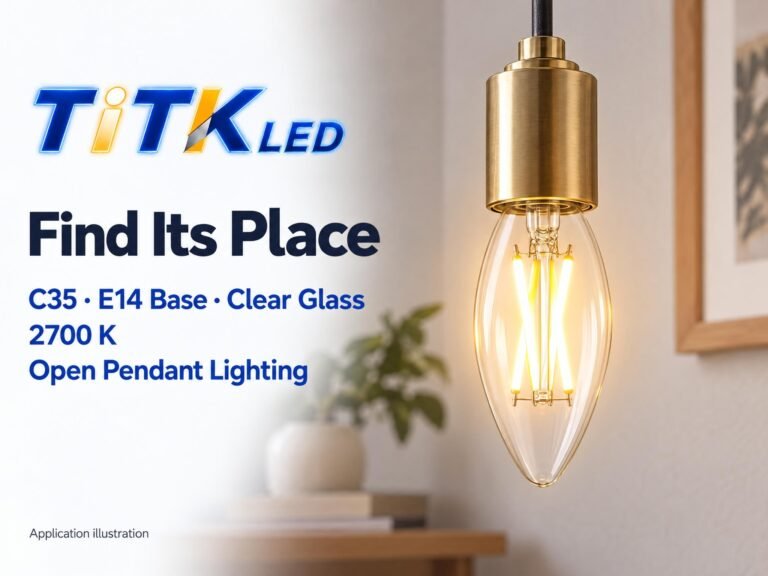
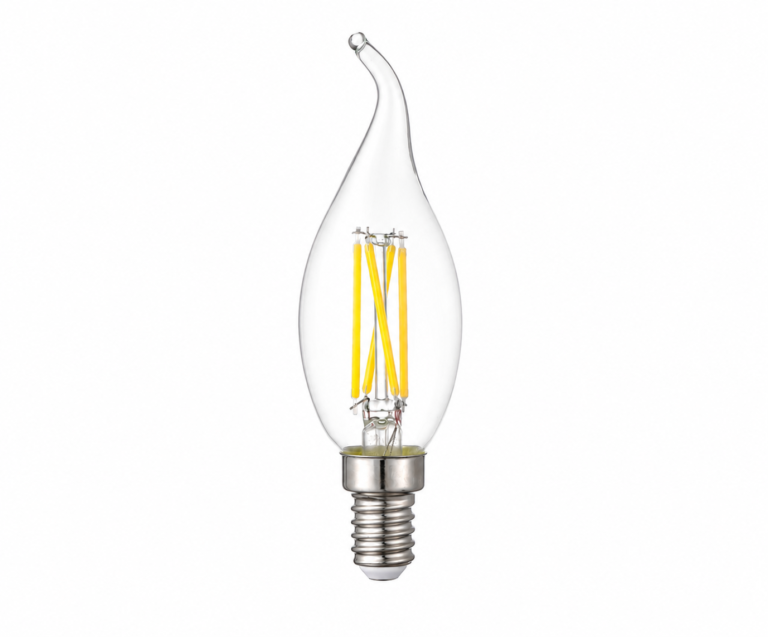
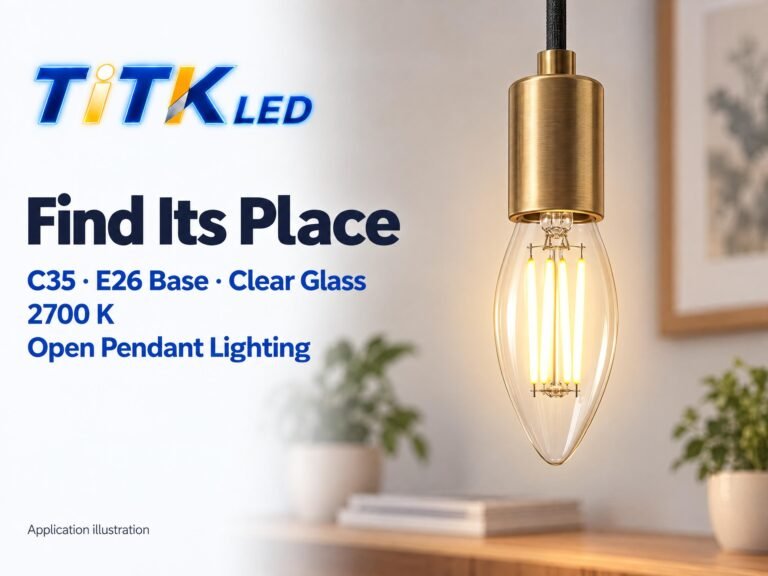
- Candle and tubular forms: Suitable for chandeliers, wall sconces, and compact decorative fixtures where a slender profile is required.
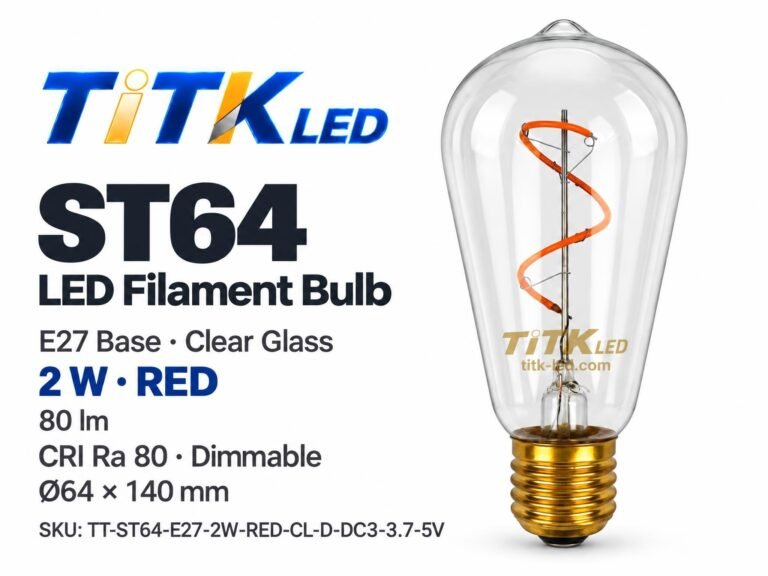
- Edison-style forms: Useful for hospitality interiors that intentionally display the bulb and socket as part of the design.
- Globe forms: Appropriate for pendants, vanity fittings, and statement clusters where a broader silhouette is wanted.
- Special decorative forms: May support a distinctive concept, but should be evaluated carefully for replacement availability and consistency across future orders.
For a broader starting point, buyers can review TITK’s LED filament bulb range and then narrow the selection according to socket, shape, colour appearance, and application.
Check electrical and luminaire compatibility
Compatibility problems can create flicker, poor dimming, premature replacement, or installation delays. Before ordering, compare the bulb specification with the project’s electrical design and the luminaire manufacturer’s requirements.
- Confirm the correct lamp base and physical dimensions.
- Check the supply voltage and frequency requirements for the installation market.
- Compare the bulb’s power and light output with the intended fitting.
- Review whether the luminaire allows sufficient ventilation around the bulb.
- Check orientation requirements, especially for enclosed or specialist fixtures.
- Confirm whether the bulb is suitable for enclosed, damp, or outdoor locations where applicable.
Do not assume that every LED filament bulb is compatible with every dimmer. If dimming is required, confirm the approved dimmer types, operating range, minimum load considerations, and expected behaviour with the supplier. A sample test with the actual dimmer and fixture is more useful than relying on a general statement that a bulb is “dimmable.” Buyers can also review the relevant dimmable LED bulb options before requesting project-specific documentation.
Evaluate light quality and guest comfort
Decorative lighting should be attractive when switched on and off, but comfort remains important. Inspect the bulb from the normal guest viewpoint and consider whether the visible filament or clear glass creates direct glare.
Ask for information about colour appearance, colour rendering, beam distribution, and flicker performance. These factors matter in hotel rooms, mirrors, reception desks, artwork areas, and restaurants. A visually warm bulb may create the right mood, but it still needs to work with wall colours, fabrics, timber, metal, and signage.
Where a project uses several bulb shapes or suppliers, compare samples side by side. Differences in glass tint, filament pattern, brightness, and colour appearance can be noticeable in a repeated installation. A written sample approval process helps preserve design consistency across floors or properties.
Plan for maintenance and replacement
Hotel maintenance teams need a replacement process that is simple and repeatable. Select products that can be identified easily by shape, base, electrical specification, and intended location. Keep a schedule showing which bulb is used in each fixture family.
For hard-to-reach chandeliers, high ceilings, and clustered pendants, replacement frequency and access requirements should be considered during design review. Confirm supplier availability, packaging, lead times, and product continuity before committing to a large installation. If a decorative model is project-specific, ask how substitutions will be managed if the original item is no longer available.
It is also sensible to keep approved samples and product datasheets with the property’s maintenance records. This reduces the risk of replacing a carefully matched decorative bulb with an unsuitable shape or colour.
Maintenance-Friendly Practices
- Label bulb types by area and fixture family.
- Keep spare stock aligned with the installed specification.
- Record base type, fixture location, and control method in a simple inventory sheet.
- Replace bulbs in consistent groups when appearance matching is important.
- Inspect for dust build-up, loose fittings, and signs of wear during routine site checks.
These steps support commercial lighting teams that need predictable servicing and clearer stock planning. They also help reduce confusion for contractors working across multiple properties or phased renovations.
Use a structured hotel bulb buying checklist
A clear request for quotation helps distributors, installers, and suppliers respond accurately. Include the following information:
- Hotel area and fixture type.
- Required bulb shape, finish, and visible filament style.
- Socket type, supply requirements, dimensions, and orientation.
- Desired colour appearance and colour-rendering level.
- Whether dimming is required and which controls are installed.
- Whether the bulb will be used in an enclosed, damp, or exposed fitting.
- Required documentation, sample quantities, packaging, and replacement expectations.
- Need for consistent future supply across rooms, floors, or properties.
For specialist decorative requirements, flexible filament designs may also be relevant. Review flexible filament bulbs only after confirming that their shape, operating conditions, and visual effect suit the luminaire.
Make the final decision with samples and documentation
The best hotel LED filament bulb is the one that meets the complete application brief, not merely the one with the most attractive product image. Shortlist products by appearance and compatibility, test them in representative fittings, and compare them under the actual interior lighting conditions.
Before purchase, request current datasheets, photometric information where needed, dimming guidance, environmental limitations, packaging details, and supply information from the supplier. Specifications can vary by model and market, so confirm every critical requirement with TITK or the appointed distributor before placing an order.
For hotel projects requiring a balance of atmosphere, consistency, and practical maintenance, a documented selection process reduces avoidable installation and replacement problems. Contact TITK with the fixture details and application requirements to request suitable product information and samples.