
LED Bulb Importer FAQ: How to Compare Shapes, Bases, and Specs
A practical importer FAQ for LED bulb buyers: compare bulb shapes, bases, voltages, glass finishes, and application fit before you place an order.

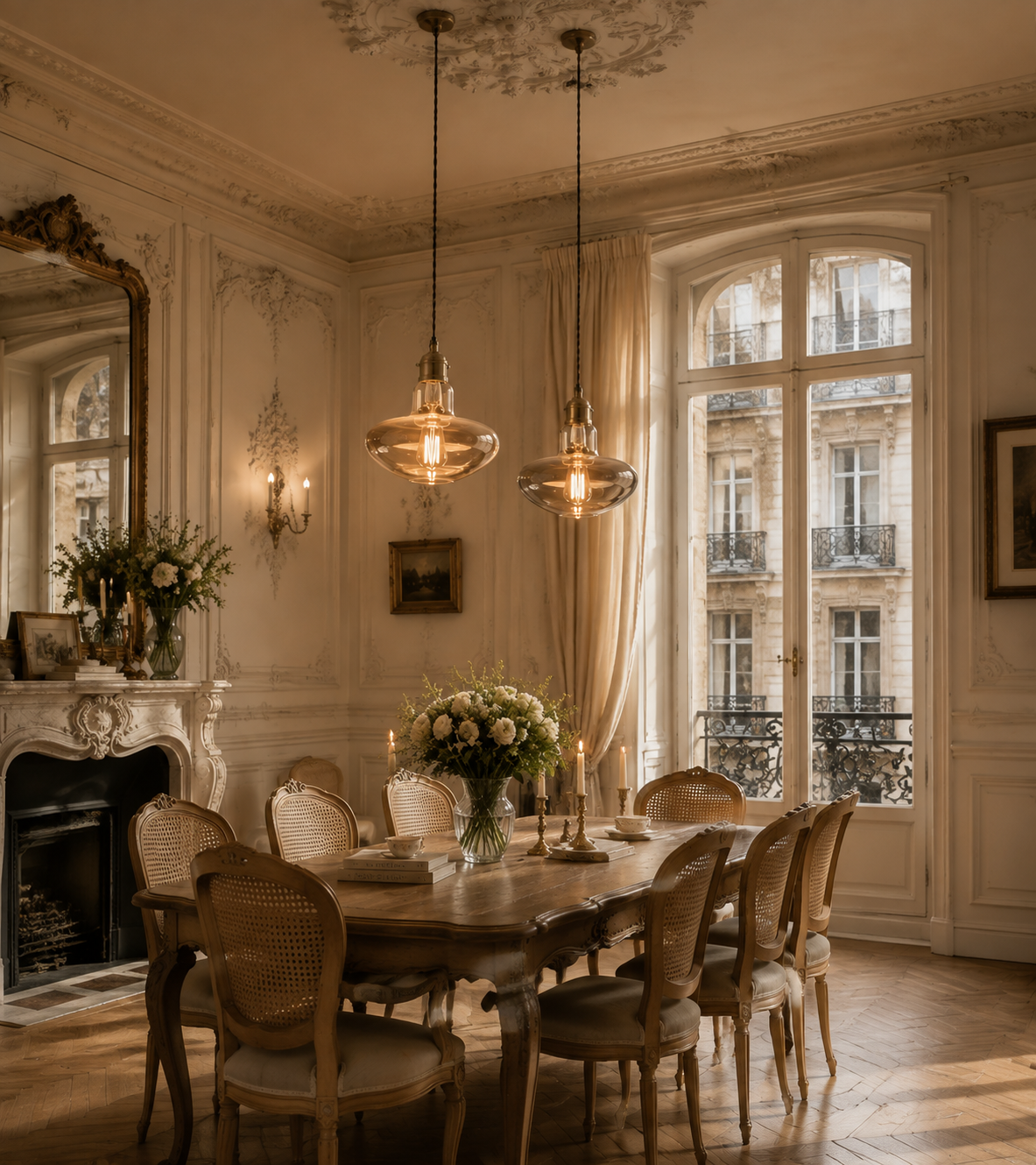
LED Bulb Importer FAQ: What should you compare first?
For international buyers, the best starting point is not shape alone. An LED bulb import decision should begin with the fixture, the target market, and the lighting effect you need. That means checking base type, input voltage, bulb dimensions, color temperature, glass finish, and whether the bulb must be dimmable or smart-controlled.
This is especially important when sourcing LED filament bulbs, which are often chosen for visible fixtures such as pendants, chandeliers, wall sconces, and table lamps. A bulb can look right on paper but still fail in the fixture if the base, voltage, or size is wrong.
Which LED bulb type should I choose for my application?
Decorative shapes vs. standard utility shapes
In decorative lighting, form often matters as much as performance. Candle, globe, Edison-style, and tubular bulbs each create a different visual effect. For example, a candle shape is usually better for compact decorative fixtures, while a larger globe may suit open pendants or statement lamps.
Edison bulbs are typically selected for vintage styling, while globe shapes are often used where the bulb itself is part of the design. Standard A-shape bulbs, by contrast, are usually chosen when the priority is familiar form and broader general use.
Compare by use case, not by appearance alone
- Candle bulbs: suitable for chandeliers, wall sconces, and compact decorative fixtures.
- Globe bulbs: suitable for pendants, open lamps, and visible decorative installations.
- Tubular bulbs: suitable for specialty decorative fixtures and linear design concepts.
- Edison-style bulbs: suitable for hospitality spaces, cafés, and design-led interiors.
If you are selecting from TITK’s product families, you can review the broader range through the LED Filament Bulbs category or the LED Bulbs category, depending on your project needs.
How do I compare bases, voltages, and regional compatibility?
For importers, this is one of the most common failure points. A bulb can be visually suitable but electrically incompatible. TITK notes that base options may include E14, E26, E27, and B22, depending on the model and project requirements. Always confirm the exact base for the specific bulb you plan to source.
Voltage matters just as much. Depending on the model, TITK products may be configured for AC 110–120 V, AC 220–240V, or specified low-voltage applications such as DC 3.7V and DC 5V. Never assume that a low-voltage bulb can be connected directly to mains AC power.
Practical rule: match the bulb to the market first, then to the fixture. For example, a bulb intended for North American distribution may need a different base and input voltage from a bulb intended for Europe or other 220–240V markets.
What is the trade-off between warm light, neutral light, and cool light?
Color temperature is one of the most important buyer decisions because it affects both appearance and application fit. TITK notes that depending on the model, LED bulbs may be available in 2200K, 2700K, 3000K, 4000K–4500K, and 6500K. Some models also support multiple color temperatures or adjustable CCT.
| Color temperature | Typical visual effect | Suitable applications |
|---|---|---|
| 2200K / 2700K | Warm, intimate, decorative | Hotels, restaurants, cafes, residential interiors |
| 3000K | Warm but slightly brighter | Hospitality spaces, lounges, general decorative lighting |
| 4000K–4500K | Neutral white | Retail, task-oriented interiors, mixed-use spaces |
| 6500K | Cool white | Utility-focused or high-visibility settings |
If the goal is ambience, warm white is often preferred. If the goal is visibility and a cleaner look, neutral or cool white may be better. For projects that require flexibility, tunable white lighting can be a practical option when available for the selected model.
Should I specify clear, amber, smoke, frosted, or milky glass?
Glass finish changes both the appearance of the bulb and the quality of the visible light source. TITK notes that glass options may include clear glass, amber tea glass, smoke grey glass, frosted glass, and milky glass, depending on the product.
Clear glass bulbs are often chosen when the filament effect should remain visible. Amber or smoke finishes may be better when the buyer wants a softer decorative presence. Frosted and milky finishes are often selected when reducing direct glare is more important than showing the internal design.
This choice is not only visual. In some fixtures, a clear bulb may feel too bright to the eye even at the same general lighting level, while a frosted option may produce a gentler impression. Always review the product image, the fixture depth, and the intended viewing angle before approving the finish.
When should I choose dimmable or smart-controlled bulbs?
If the installation needs scene setting, mood control, or multi-use spaces, dimming can be valuable. TITK offers dimmable LED bulbs for selected models, and some products also support smart-control functions, depending on the project and product.
A practical example is hospitality lighting, where a single space may need brighter light during service and softer light later in the evening. In those cases, dimming can improve flexibility. Smart control may be useful where the operator wants remote adjustment, color changes, or grouped control.
One verified example is the ST64 / ST21 2.4G Smart LED Filament Bulb, which includes 2.4GHz RF remote control, smooth dimming, and adjustable color temperature. As always, do not generalize those functions to all models.
How do I compare filament bulb families for sourcing?
When buying in bulk, it helps to compare families by function rather than by style name alone. For example:
- C35 bulbs are often used in compact candle-style decorative applications.
- G45 bulbs are commonly chosen for smaller globe-style decorative needs.
- A60 bulbs are familiar general-purpose shapes.
- ST58 and ST64 bulbs are usually selected for Edison-style visual impact.
- G95, G125, and other large globe bulbs suit visible decorative fixtures where scale matters.
For buyers evaluating wholesale LED bulbs, the useful question is not “Which shape is best?” but “Which shape fits the fixture, the voltage, and the design intent?” That is the right way to reduce sourcing risk.
For product browsing, TITK’s LED Edison Bulbs and LED Candle Bulbs categories can help narrow the starting point.
What should importers confirm before placing an order?
Before you approve a sample or a production order, confirm the following:
- Exact bulb model and shape.
- Base type and regional compatibility.
- Input voltage and whether it is AC or low-voltage.
- Color temperature and whether adjustable CCT is required.
- Glass finish and visual appearance.
- Dimming or smart-control requirement.
- Fixture dimensions and clearance.
- Packaging and branding requirements for the destination market.
These checks are especially important for LED bulb sourcing because even small specification differences can affect compatibility, presentation, and customer acceptance.
What is the safest way to communicate with a supplier?
For B2B buyers, the most efficient method is to share a clear specification sheet and ask the supplier to confirm the final configuration. TITK supports OEM and ODM cooperation, and customization may include product specifications, lamp base, input voltage, wattage, color temperature, glass finish, filament design, dimming functions, smart-control functions, branding, private label, and packaging, depending on the project.
That means the best outcome usually comes from a precise brief rather than a general request. If you are unsure whether a bulb should be selected as decorative LED bulbs or another product family, ask for a model-specific recommendation.
Need a practical next step? Request a quotation, confirm the voltage and base, and ask TITK to verify the specification before you place an order.
For more product browsing, you can also review Decorative LED Bulbs when the project is focused on visible fixtures and design-led interiors.



