
LED Bulb Lead Time Guide for B2B Buyers
A practical guide to planning LED bulb lead times, reducing sourcing risk, and confirming the right specifications before you place an order.

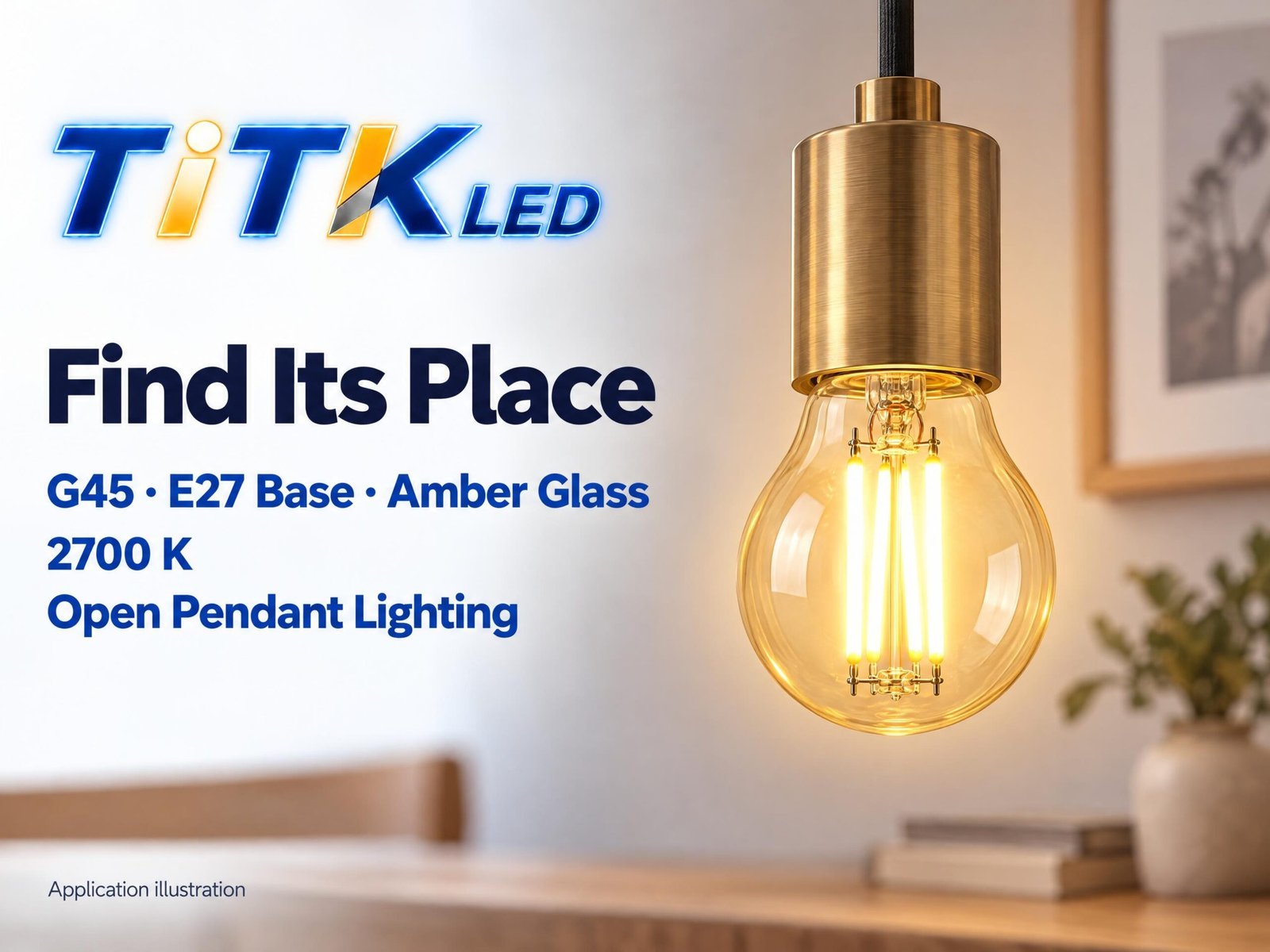
LED Bulb Lead Time Guide: What B2B Buyers Should Confirm First
For international buyers, distributors, installers, and informed consumers, lead time is not just a shipping question. It is a planning tool that affects project launches, inventory coverage, and installation schedules. In a LED bulb lead time guide, the most useful starting point is simple: confirm the exact product model, then confirm whether the order is standard or customized.
TITK, the brand of Zhongshan Tituo Lighting & Electrical Appliances Co., Ltd., focuses on LED filament bulbs and decorative LED bulbs for wholesale, commercial lighting, hospitality lighting, lighting projects, distributors, importers, lighting brands, and OEM/ODM customers. For buying decisions, this matters because LED bulb sourcing is rarely one-size-fits-all. The more specific the request, the more important it is to verify lead time before placing the order.
Why Lead Time Varies
In lighting procurement, lead time can change based on order quantity, product specification, customization, packaging, production schedule, and shipping method. That is true for most wholesale LED bulbs, including decorative models and project-based orders.
A buyer may see the same bulb shape listed in a catalog, but the practical schedule can differ if the order needs a different lamp base, voltage, glass finish, dimming function, private label, or packaging. This is why buyers should avoid assuming that one product family has one fixed schedule.
Common factors that affect schedule planning
- Product model: Different shapes, bases, and configurations may follow different production steps.
- Customization: OEM and ODM requests may require added confirmation time.
- Packaging: Retail packaging, private label, and project packaging can change preparation needs.
- Shipping method: Air and sea arrangements affect when goods arrive, even if production is complete.
Standard Order or Custom Order?
The fastest way to avoid delays is to decide whether the order is standard or customized. Standard orders are usually easier to confirm because the product specification is already defined. Custom orders may involve branding, lamp base changes, voltage adjustments, filament design, or packaging updates. TITK supports OEM and ODM cooperation for B2B customers, with customization depending on the project and product.
For buyers comparing decorative LED bulbs across several suppliers, it helps to separate the product itself from the commercial details around it. A bulb may appear simple, but the true lead time depends on the full specification set, not only the shape.
What to Confirm Before You Request a Schedule
A clear inquiry shortens back-and-forth and makes the answer more reliable. Before asking for lead time, confirm the following details:
- Bulb model and shape
- Lamp base, such as E14, E26, E27, or B22 depending on the product model
- Input voltage, which must always be confirmed for the individual product model
- Color temperature or CCT requirement
- Glass finish, if relevant
- Dimming or smart-control function, if needed
- Packaging and labeling requirements
- Order quantity and destination market
These details are especially important in commercial lighting and project procurement, where different regions and fixtures may require different product versions. They also matter when sourcing for distributors or lighting brands that need consistent specifications across multiple deliveries.
How Lead Time Connects to Energy Efficiency Decisions
Lead time and energy efficiency may seem like separate issues, but they often influence the same buying decision. A project team may choose LED bulbs because they support a practical lifecycle-cost mindset: fewer replacement interruptions, more stable ordering, and better compatibility with modern lighting plans. That does not mean every product is automatically the right fit. The useful question is whether the selected bulb matches the fixture, application, and maintenance strategy.
For example, a buyer considering energy-efficient lighting in a hospitality setting may prioritize color quality, dimming behavior, and consistent supply over the lowest initial purchase price. If a project is delayed because the specification was unclear, the operational cost can rise in ways that are not visible on the unit price line. Transparent lead-time planning is therefore part of lifecycle thinking.
Lead Time Planning by Application
Different applications create different urgency levels. A retail refresh may allow more flexibility than a hotel renovation with a fixed opening date. A distributor building stock for regular reorders may care about replenishment rhythm, while an installer may care more about whether bulbs arrive in time for a site visit.
For buyers working in hospitality lighting, the safest approach is to confirm both the product version and the practical delivery plan early. TITK’s product families include options such as C35 candle LED filament bulbs, G45 globe LED filament bulbs, A60 LED filament bulbs, ST58 Edison LED filament bulbs, ST64 Edison LED filament bulbs, and other decorative families depending on the model.
To explore product families, you can review the LED Filament Bulbs category or the Decorative LED Bulbs selection when evaluating styles for projects or wholesale sourcing.
How to Reduce Lead-Time Risk
The best lead-time strategy is not to rush; it is to specify carefully. Buyers can reduce risk by requesting one clear product definition, one packaging definition, and one shipping plan before approval. If samples are needed, sample timing should also be discussed in advance.
Practical buyer checklist
- Confirm the exact model and voltage.
- Confirm base compatibility for the target fixture.
- Ask whether the requested finish, CCT, or dimming function is available for that model.
- Separate standard-stock needs from custom requirements.
- Ask TITK to confirm the current lead time before ordering.
- Align production timing with the project installation schedule.
This approach is useful for LED bulb manufacturers evaluation as well as supplier comparison. A dependable partner should be able to explain what is standard, what is customizable, and what must be confirmed before the order is placed.
Product Notes Buyers Should Not Assume
It is a mistake to assume that all LED bulbs share the same base, voltage, or function. TITK manufactures products for different voltage applications, and voltage must always be confirmed for the individual product model. Likewise, glass finish availability depends on the specific model, and some models support multiple color temperatures or adjustable CCT.
If your project needs a dimming function, review the product family carefully. TITK also offers Dimmable LED Bulbs for selected models. For decorative shapes with a more traditional appearance, buyers may also review the LED Edison Bulbs category or the LED Candle Bulbs category, depending on the fixture and design intent.
What to Ask TITK Before You Order
For a smooth purchase process, ask for the current lead time together with the final confirmed specification. This is the most reliable way to plan shipping, installation, and inventory. If you are comparing suppliers for lighting applications across multiple projects, ask the same questions for each model so that you can compare on equal terms.
Good questions include: Is the selected bulb available in the requested base? Is the voltage correct for the target market? Is the finish available for that model? Is the requested branding or packaging feasible? When the answers are clear, procurement is easier and the project schedule is easier to manage.
Need a project-ready response? Contact TITK to confirm the final specification, ask about OEM/ODM options, or request a quotation and current lead time before placing your order.



