
LED Bulb Packaging Customization: A Practical B2B Guide
A practical guide to LED bulb packaging customization for importers, distributors, installers, and brands who need packaging that supports selling, shipping, and shelf impact.

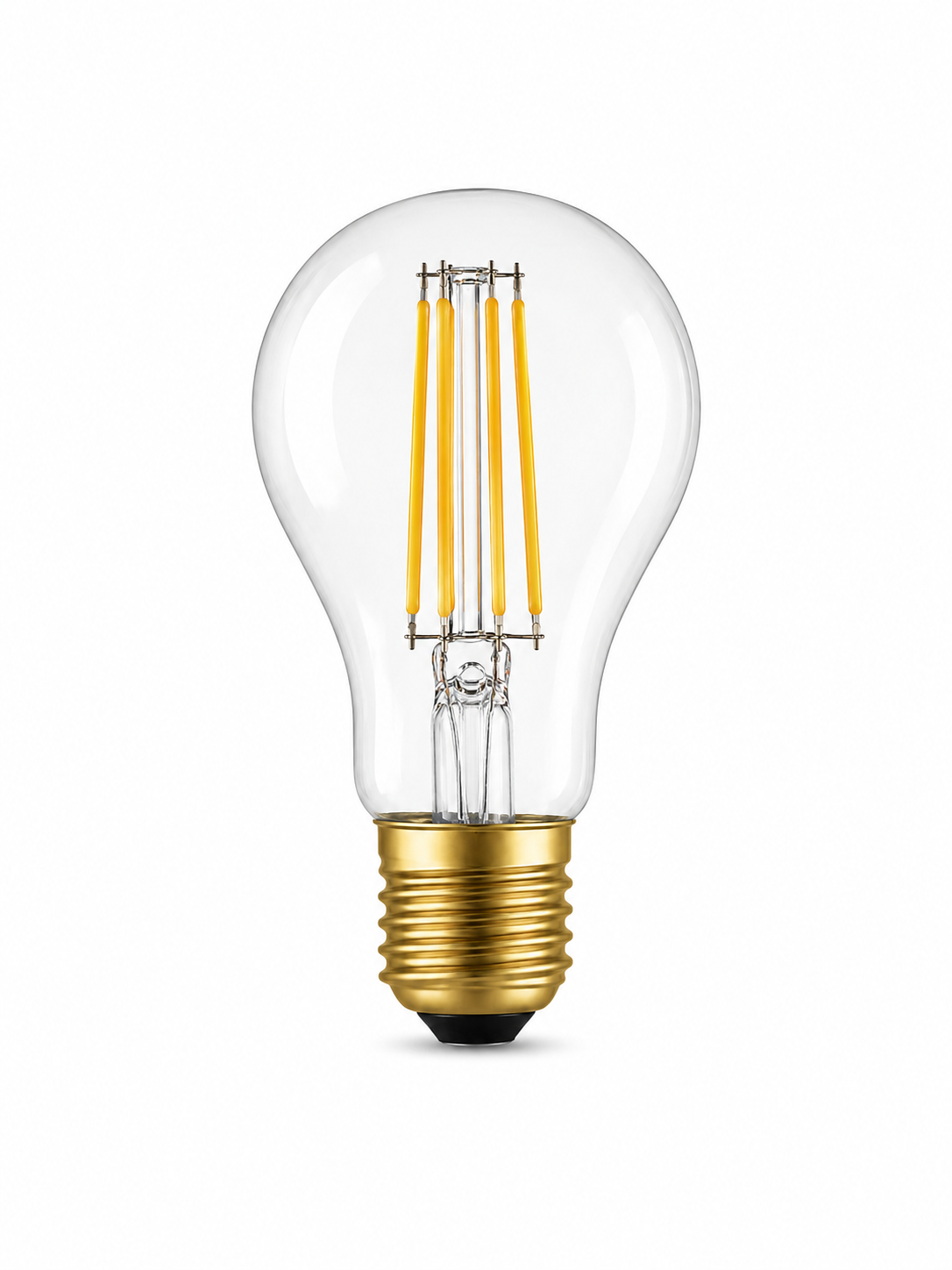
LED Bulb Packaging Customization: Why It Matters in B2B Sourcing
For international buyers, packaging is not just a carton around a product. In LED bulb packaging customization, the pack often has to do several jobs at once: protect fragile glass, support channel-specific branding, communicate product information clearly, and make receiving, storage, and resale easier.
That is especially true for LED filament bulbs and decorative LED bulbs, where the product is often part lighting device and part visual merchandise. A distributor may want efficient master cartons for bulk handling, while a lighting brand may need retail-ready packaging that looks consistent across a product family. TITK supports OEM and ODM cooperation, and packaging is one of the customization areas that can be discussed according to project requirements.
If you are reviewing TITK’s broader product range, you can also see the company’s LED Bulbs, LED Filament Bulbs, and Decorative LED Bulbs categories for reference.
What Packaging Has to Accomplish
Good packaging supports the whole lifecycle of the bulb. In a buyer’s decision, that lifecycle includes transport, warehousing, shelf presentation, installation, and customer unboxing. The most useful packaging usually balances four goals: protection, information, branding, and operational efficiency.
1) Protection during transit and handling
LED bulbs often use glass, so the pack should help reduce movement, impact, and breakage risk during shipping and handling. The right internal structure depends on bulb shape, glass finish, and how many units are packed together. A tall decorative bulb may need different protection than a compact candle shape.
2) Product identification and channel fit
Packaging should make it easy to identify the model, base, voltage, color temperature, and key functions. This is not only useful for end users; it also helps distributors, installers, and warehouse teams prevent mix-ups. For example, a buyer sourcing dimmable LED bulbs for project use may want packaging that clearly communicates dimming compatibility and model information.
3) Brand presentation
For private label programs, packaging is part of the brand experience. It can support a premium look, a minimalist wholesale look, or a retail style designed for shelf competition. For importers and lighting brands, this is often where packaging customization has direct commercial value, even before the bulb is installed.
4) Handling efficiency
In wholesale supply, buyers also care about how the packaging supports picking, storage, stacking, and shipment planning. A practical pack is easier to work with at the warehouse and on site. That is one reason packaging design should be considered together with carton size, unit count, and product mix.
How to Think About Packaging Choices Without Guesswork
It is tempting to treat packaging as a final cosmetic step. In practice, it should be specified alongside the bulb itself. The most useful approach is to start with the product’s physical and commercial requirements, then work backward to the pack.
- Product form: Candle, globe, tubular, or Edison-style shapes usually call for different inserts and box proportions.
- Glass finish: Clear, amber tea, smoke grey, frosted, or milky glass can benefit from packaging that presents the finish clearly and protects the surface.
- Electrical specification: Base type, voltage, and color temperature should be easy to read on the pack.
- Sales channel: E-commerce, retail shelf, project supply, and wholesale distribution all place different demands on packaging.
- Brand strategy: Generic, semi-custom, or fully branded packaging each serve a different commercial purpose.
This is why LED bulb packaging customization should be discussed early in procurement, not after the sample is approved.
Packaging Formats Commonly Considered by B2B Buyers
Different buyers have different packaging goals. The right choice depends on the customer type and how the bulbs will move through the channel.
| Buyer type | Packaging priority | Practical focus |
|---|---|---|
| Lighting wholesalers | Efficient bulk handling | Readable carton labels, safe stacking, easy inventory control |
| Lighting distributors | Channel-ready presentation | Clear model identification and packaging consistency |
| Importers | Logistics and compliance communication | Language, labeling, and shipment-friendly structure |
| Lighting brands | Private label presentation | Brand image, color system, and product family consistency |
| Installers and project buyers | Site efficiency | Fast model recognition and reduced receiving errors |
For many buyers, the best packaging is not the most elaborate one. It is the one that fits the sales channel and reduces avoidable friction in storage, transport, and installation.
What to Confirm Before You Approve a Pack
When working with an LED bulb manufacturer or LED bulb supplier, it helps to confirm the packaging brief with the same care used for the bulb itself. Ask these questions before final approval:
- Which bulb model is being packed?
- What base, voltage, and color temperature must appear on the box?
- Is the packaging for wholesale, retail, or project supply?
- Should the artwork support private label lighting or a neutral brand?
- Are there special handling concerns because of bulb shape or glass finish?
- Do the carton and unit pack need to support mixed-SKU distribution?
For product families such as LED Edison Bulbs and LED Candle Bulbs, these details matter because shape, length, and presentation style can influence the pack structure.
Packaging as Part of Lifecycle Cost Thinking
Buyers often think about price first, but packaging also affects lifecycle cost in practical ways. Better packaging can reduce damage risk, rework, repacking, and avoidable handling delays. It can also improve receiving speed and make stock easier to manage. Those are qualitative benefits, but they are real operational considerations.
In that sense, packaging is not only about appearance. It can influence the total cost of getting the bulb from factory to shelf or project site in a usable condition. A well-specified pack may support fewer avoidable touchpoints, clearer identification, and smoother distribution. That is often where the commercial value of packaging shows up.
How TITK Approaches Packaging Customization
TITK is a Zhongshan, Guangdong-based LED lighting manufacturer and B2B supplier focused on LED filament bulbs and decorative LED bulbs. For OEM and ODM projects, customization may include product specifications, lamp base, input voltage, wattage, color temperature, glass finish, filament design, dimming functions, smart-control functions, product branding, private label, and packaging.
That flexibility is useful when a buyer wants one packaging style for a market launch, another for a wholesale channel, or a different structure for project supply. As always, final customization feasibility must be confirmed according to the specific project.
Practical Takeaway for International Buyers
If you are sourcing bulbs internationally, think of packaging as a working part of the product strategy. It should help the bulb arrive safely, be identified quickly, and sell or install without confusion. For B2B buyers, the best result usually comes from matching packaging to the model, channel, and brand plan before mass ordering begins.
If you are planning a private label, wholesale, or project purchase, contact TITK to discuss packaging, product specifications, and OEM/ODM options. Please confirm voltage, base, and final packaging details before ordering.



