A Practical Procurement Decision Guide for LED Bulbs: Comparing Options for B2B Buyers
Navigate LED bulb procurement effectively with our guide for distributors, installers, and B2B buyers. Compare options, evaluate specs, and mitigate risks.

Introduction to LED Bulb Procurement for B2B Buyers
For international B2B buyers, distributors, and installers, procuring LED bulbs involves more than selecting a product that simply lights a space. Understanding how to compare options, evaluate specifications, identify sourcing risks, and engage suppliers with well-prepared questions is essential to making a defensible purchasing decision. This LED bulb procurement guide aims to provide a clear, practical framework to help professional buyers navigate the complexities of LED bulb selection and sourcing effectively.
Comparing LED Bulb Options: What Buyers Need to Consider
LED bulbs come in a variety of types, designs, and performance ratings. Before making a purchase, consider the following criteria for comparison:
1. Bulb Type and Application
- Standard bulbs: Suitable for most commercial and residential applications.
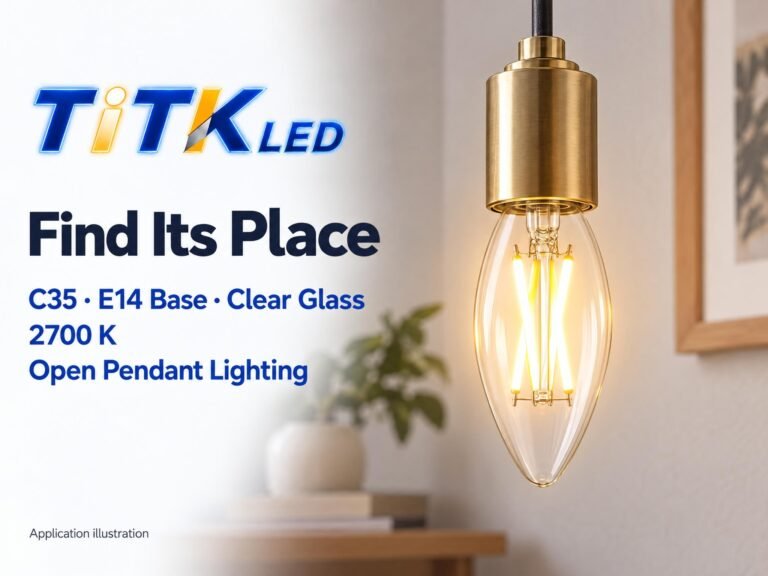
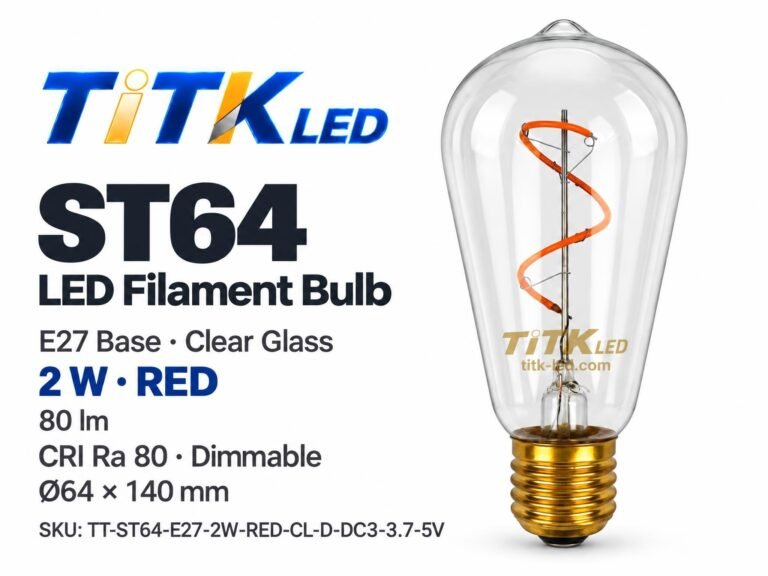
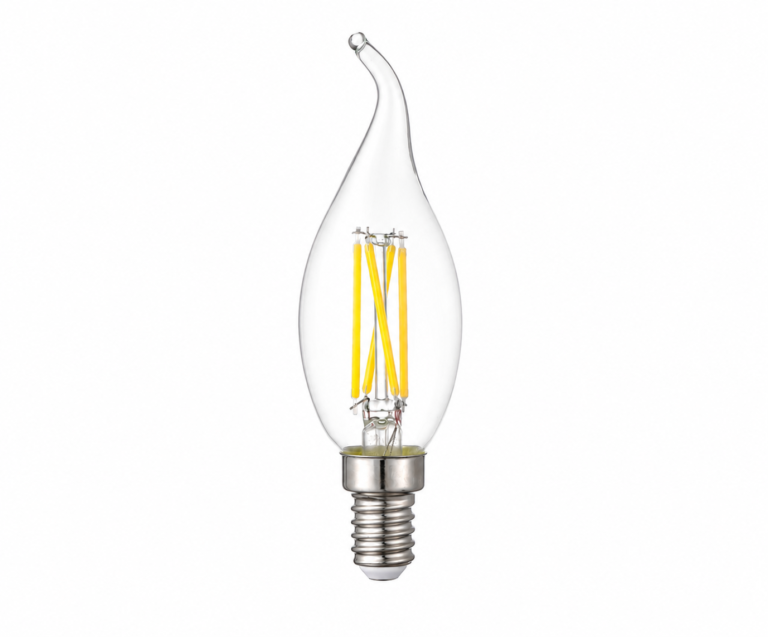
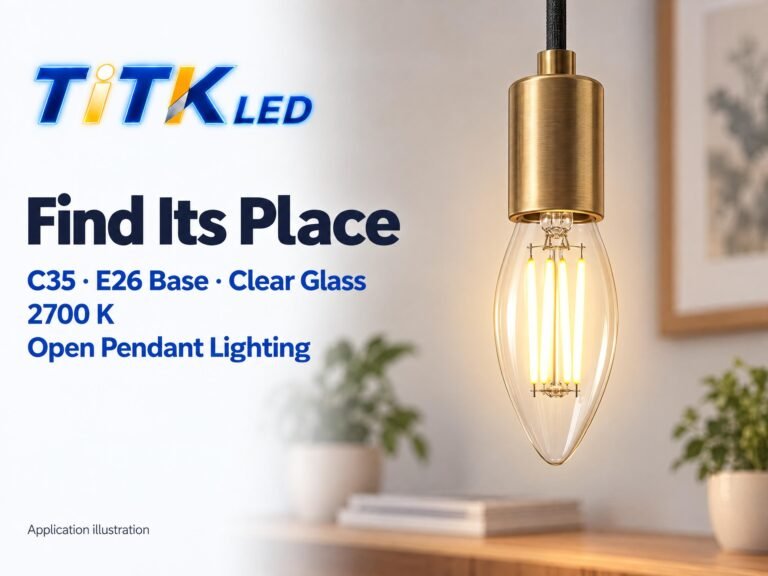
- Decorative and filament bulbs: Focus on aesthetic lighting for hospitality and retail environments.
- Specialty bulbs: Designed for industrial or outdoor use with specific durability requirements.
2. Key Performance Specifications
- Luminous Output: Measured in lumens, indicating the brightness of the bulb.
- Energy Consumption: Wattage rating to assess efficiency in relation to light output.
- Color Temperature: Ranges from warm (2700K) to cool (6500K), impacting ambiance and suitability for tasks.
- Color Rendering Index (CRI): A minimum CRI of 80 is generally recommended for accurate color representation.
- Lifespan and Warranty: Longevity impacts cost efficiency. Typical lifespans range from 15,000 to 50,000 hours.
Evaluating Specifications: How to Analyze LED Bulb Data Sheets
Understanding technical data sheets is crucial to compare LED bulbs fairly:
- Intensity and Distribution: Look for beam angle specifications to determine light coverage patterns suited for the application.
- Thermal Management: Efficient heat dissipation extends lifespan — check materials and design notes.
- Certification Compliance: Verify compliance with internationally recognized safety standards applicable to your region, such as CE, UL, or RoHS.
- Power Factor & Dimming Compatibility: High power factor (>0.9) and dimming capabilities may be required for energy savings and user control.
Identifying Sourcing Risks in the LED Bulb Supply Chain
Sourcing internationally introduces risks that impact delivery, quality, and cost:
- Supplier Reliability: Check market reputation, reviews, and how long the supplier has been in business.
- Quality Control Practices: Determine the extent of factory testing and quality certification.
- Lead Times and Inventory: Assess production lead times against project schedules.
- After-Sales Support: Warranty terms, availability of spare parts, and technical support services.
- Geopolitical and Logistic Factors: Customs regulations, tariffs, and international shipping conditions.
Preparing Supplier Questions: Ensuring Clarity Before Purchase
Effective communication is key. Here are essential questions to ask your potential LED bulb suppliers:
- What are your product’s lumen output and efficiency (lm/W)?
- Can you provide details on bulb lifespan and warranty coverage?
- Are your bulbs compliant with international safety and environmental standards?
- What quality control measures do you implement during manufacturing?
- Do you offer customized solutions for bulk orders or specific applications?
- Can you supply test samples before large-scale procurement?
- What are your typical lead times and terms of delivery?
- Is technical support provided post-sale, including troubleshooting and replacement?
Making a Defensible Purchasing Decision: Strategic Best Practices
To ensure procurement success, align decisions with the following best practices:
- Document Comparisons: Use standardized evaluation matrices to compare technical and commercial data.
- Engage Multiple Suppliers: Obtain quotes and samples from at least three vendors for benchmarking.
- Assess Total Cost of Ownership: Factor in energy savings, maintenance, and replacement costs rather than upfront price alone.
- Validate Claims: Request third-party test reports or certifications when possible.
- Plan for Scalability: Confirm supplier ability to scale production to meet possible future demand.
- Mitigate Risks: Develop contingency plans for supply interruptions or quality issues.
LED Bulb Procurement Checklist
| Step | Action | Notes |
|---|---|---|
| 1 | Identify application requirements and lighting goals | Consider brightness, color, and form factor needs |
| 2 | Compile a list of qualified suppliers | Focus on reputation, certifications, and experience |
| 3 | Request detailed product specifications | Include lumens, watts, CRI, lifespan, and certifications |
| 4 | Evaluate sample bulbs for performance and quality | Test in real or simulated usage conditions |
| 5 | Review supply chain risks and delivery schedules | Assess logistics, warranty, and after-sales support |
| 6 | Conduct pricing and total cost of ownership comparison | Factor in energy consumption and replacement frequency |
| 7 | Negotiate contract terms ensuring clarity on quality and delivery | Include penalties for delays or defects if possible |
Conclusion
Procuring LED bulbs demands a methodical approach that balances quality, performance, cost, and supplier reliability. Following the guidance in this LED bulb procurement guide equips international B2B buyers, distributors, and installers with the tools to make well-informed, defensible purchasing decisions. For high-performance bulbs tailored to demanding commercial applications, consider partnering with TITK LED solutions — trusted for quality, innovation, and international customer support.