
LED Bulb Quality Assurance for Importers: A Procurement Guide
A practical procurement guide for buyers who need to define LED bulb requirements, compare options, reduce sourcing risk, and ask the right supplier questions.

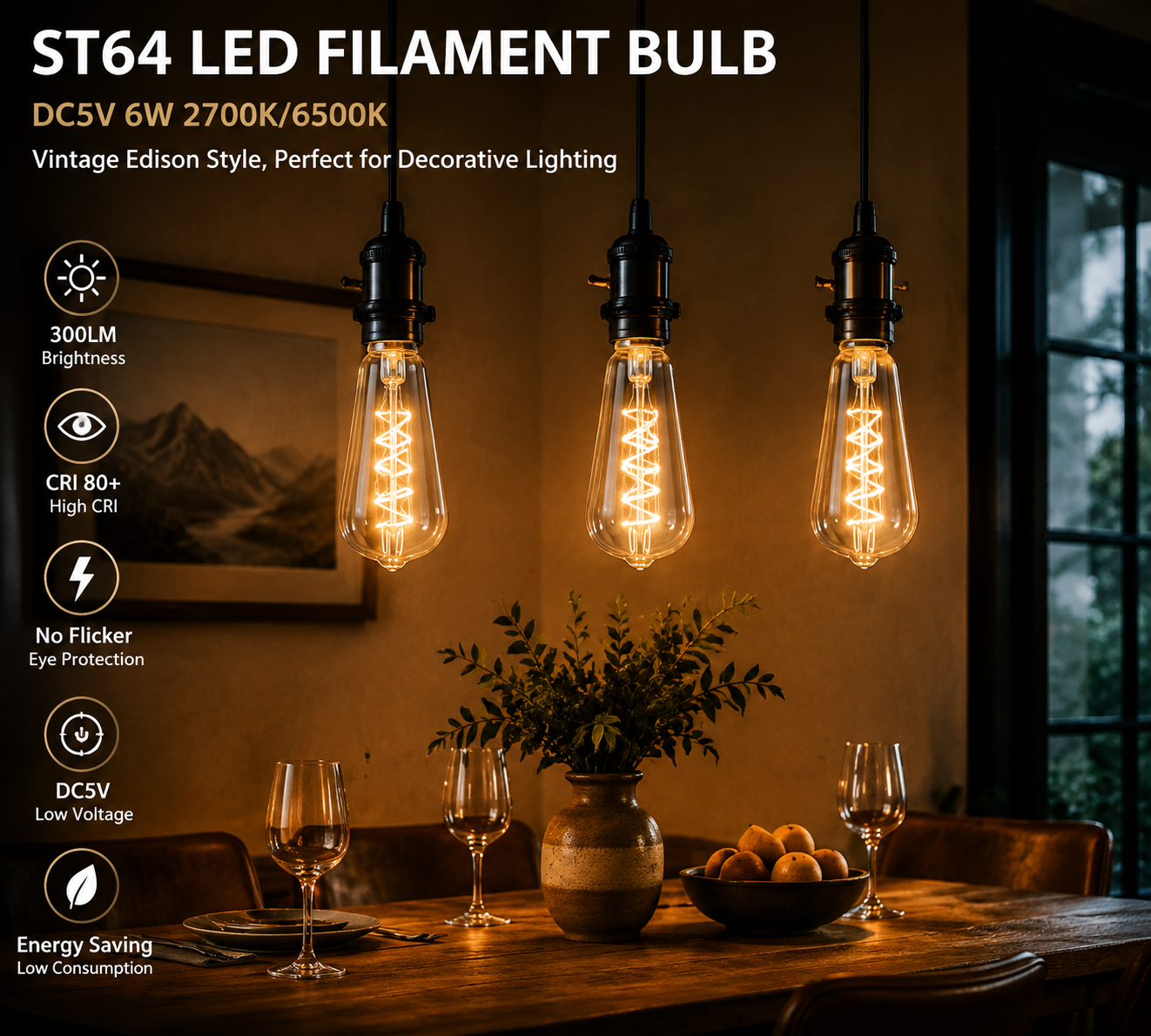
For importers, LED bulb quality assurance for importers is not just about checking cartons before shipment. It starts much earlier: with the specification, the sample, the supplier conversation, and the approval process. If any of those steps are unclear, the risk of returns, project delays, and mismatched expectations rises quickly.
This guide is designed for international B2B buyers, distributors, installers, and informed consumers who need a practical way to compare LED bulb options and source with more confidence.
Start with the job the bulb must do
Before comparing suppliers, define the application. A bulb for a decorative pendant light is not the same as a bulb for a dimmable hospitality fixture or a low-voltage project. Suitability depends on fixture type, voltage, base, wattage, dimensions, and lighting requirements.
For example, TITK focuses on LED Filament Bulbs and decorative products, so buyers should first confirm whether the target model is intended for hotels, restaurants, cafes, residential interiors, chandeliers, wall sconces, or other lighting applications.
Define the minimum specification
- Base type: confirm the required base, such as E14, E26, E27, or B22, depending on the model.
- Voltage: specify the exact input voltage and never assume a low-voltage lamp can connect directly to mains AC power.
- Shape and size: match the bulb shape to the fixture clearance and visual style.
- Light appearance: confirm color temperature, glass finish, and whether dimming or smart control is needed.
- Project use: note whether the bulb is for wholesale resale, project supply, or private label packaging.
Compare options by what can affect quality
When buyers compare wholesale LED bulbs, the most useful comparison is not only price. It is how well each option matches the project and how consistently the supplier can communicate the real specification.
Use a comparison table during sourcing so you can review the model, base, voltage, glass finish, color temperature, and function in one place.
| What to compare | Why it matters | Buyer action |
|---|---|---|
| Model family | Different shapes and designs suit different fixtures and aesthetics | Shortlist only the relevant shape and size |
| Base and voltage | These determine compatibility and installation safety | Ask for the exact version, not a general family name |
| Color temperature | It affects ambience and application fit | Confirm the target range before sampling |
| Glass finish | It changes the visual effect and light diffusion | Request the exact finish available for the model |
| Function | Dimming and smart functions can alter performance expectations | Ask how the function works in the chosen model |
For buyers comparing decorative products, TITK’s Decorative LED Bulbs category can help you narrow options by look and use case. For dimmable projects, review the relevant Dimmable LED Bulbs selection before you move to sampling.
Know the main quality risks in sourcing
In LED bulb sourcing, the biggest risks often come from assumptions. Buyers may assume one model will behave like another, or that a supplier’s product family shares the same specification across every version. That is rarely safe.
Common sourcing risks
- Specification drift: the sample, quote, and shipment do not match exactly.
- Wrong voltage selection: the bulb is ordered for the wrong electrical environment.
- Base mismatch: the lamp cannot be installed in the intended fixture.
- Color mismatch: the product looks warmer or cooler than the project requires.
- Packaging mismatch: the cartons or labels do not suit wholesale or private label needs.
- Function mismatch: dimming or smart-control features are misunderstood.
These risks are why LED bulb quality control should be treated as a documentation process, not only a factory process. The buyer needs clear written confirmation as much as the supplier needs production information.
Use samples to confirm the real product
A sample is not only for visual approval. It is the buyer’s best opportunity to confirm the exact specification that will be repeated in production. Ask whether the sample reflects the same base, voltage, color temperature, glass finish, and function you plan to order.
When reviewing samples, importers should check whether the bulb suits the actual fixture and lighting goal. A decorative lamp may look attractive in isolation but still fail in the project if it is the wrong size, dimming type, or voltage.
What to verify on a sample
- Product model and version
- Base and voltage
- Color temperature and light appearance
- Glass finish and visual consistency
- Dimming or smart-control behavior, if relevant
- Labeling and packaging details
If your project includes decorative shapes, you may also compare LED Edison Bulbs and LED Globe Bulbs to see which family best fits the fixture and design intent.
Prepare supplier questions before you request a quotation
Good supplier questions reduce confusion and make quotations easier to compare. The goal is to ask for facts that affect use, approval, and sourcing risk.
Supplier question checklist
- Which exact model is being quoted?
- What base options are available for this model?
- What voltage configuration is available for the target market?
- Which color temperatures are available for this version?
- Which glass finishes are available for this model?
- Is dimming available, and with what control method?
- Can the product be customized for OEM or ODM needs?
- What packaging options are available for wholesale or private label supply?
- What should be confirmed before final approval?
These questions are especially important for decorative lighting projects, where appearance and compatibility often matter as much as electrical fit.
How TITK fits a buyer’s procurement process
TITK, the brand of Zhongshan Tituo Lighting & Electrical Appliances Co., Ltd., is a B2B manufacturer and supplier based in Zhongshan, Guangdong, China. TITK focuses on LED filament bulbs and decorative LED bulbs for wholesale, commercial lighting, hospitality lighting, lighting projects, distributors, importers, lighting brands, and OEM/ODM customers.
Depending on the model and project requirements, TITK products may be available in different bases, glass finishes, color temperatures, and voltage configurations. OEM and ODM cooperation can include product specifications, lamp base, input voltage, wattage, color temperature, glass finish, filament design, dimming functions, smart-control functions, branding, private label, and packaging. Please confirm with TITK for the final specification.
Final buyer checklist before ordering
- Confirm the exact model and version
- Confirm the base and voltage for the target market
- Confirm the required color temperature and glass finish
- Check whether dimming or smart control is needed
- Verify packaging and branding requirements
- Compare sample, quote, and final order line by line
- Ask for written confirmation of anything that affects installation or resale
For buyers of LED filament bulbs, the safest procurement method is simple: define the requirement first, sample the exact version second, and approve only what matches the project. If you are planning a wholesale order, OEM/ODM program, or project supply, contact TITK to confirm the specification, request samples, or discuss your sourcing requirements.



