LED Bulb Voltage Customization: How to Match Voltage, Form, and Light Output
A practical guide to LED bulb voltage customization, covering how voltage, bulb form, color temperature, and installation constraints work together in real buying decisions.

LED Bulb Voltage Customization: Why It Matters
In many lighting projects, voltage is not a background detail. It affects fixture compatibility, installation choices, and whether the bulb can be used safely in the intended environment. That is why LED bulb voltage customization matters for distributors, installers, and buyers who need more than a standard off-the-shelf specification.
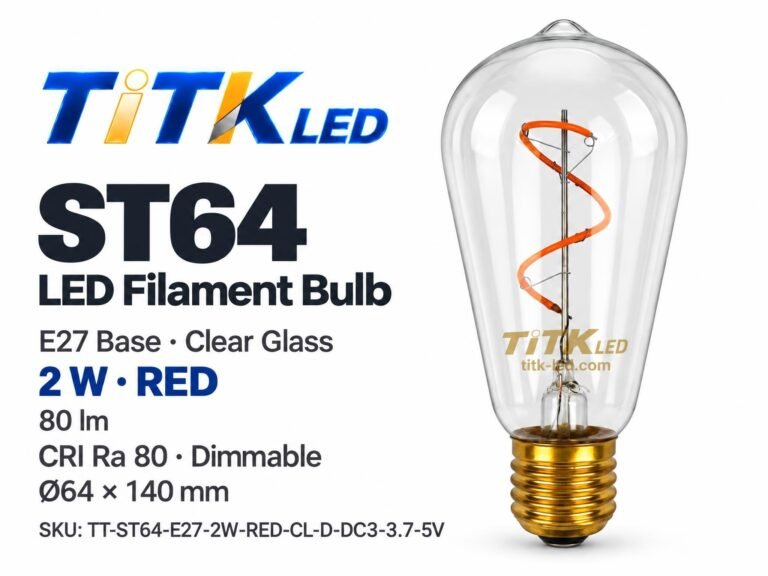
For TITK, voltage configurations vary by model. Depending on the specific product, options may include AC 110–120 V, AC 220–240V, or DC low-voltage applications such as DC 3.7V and DC 5V. Voltage must always be confirmed for the individual model before ordering.
When evaluating LED Bulbs, it helps to look at the full system: voltage, base, bulb shape, wattage, glass finish, and the fixture itself.
Start with the Visual Goal, Not Just the Electrical Spec
A good lighting decision begins with the visual result you want. Do you need a warm decorative glow, a cleaner neutral appearance, or a brighter functional light? The answer affects not only color temperature, but also bulb form and distribution.
For example, an Edison-style bulb may be chosen when the filament and glass are part of the design language, while a globe or tubular bulb may be better when the fixture calls for a larger visual presence or a different light spread. This is especially relevant in decorative lighting, where the bulb is visible and contributes to the interior style.
If the bulb is going into a pendant, chandelier, wall sconce, or table lamp, the same voltage can still produce very different outcomes depending on the shape and the amount of exposed bulb area.
How Voltage Connects to Bulb Form
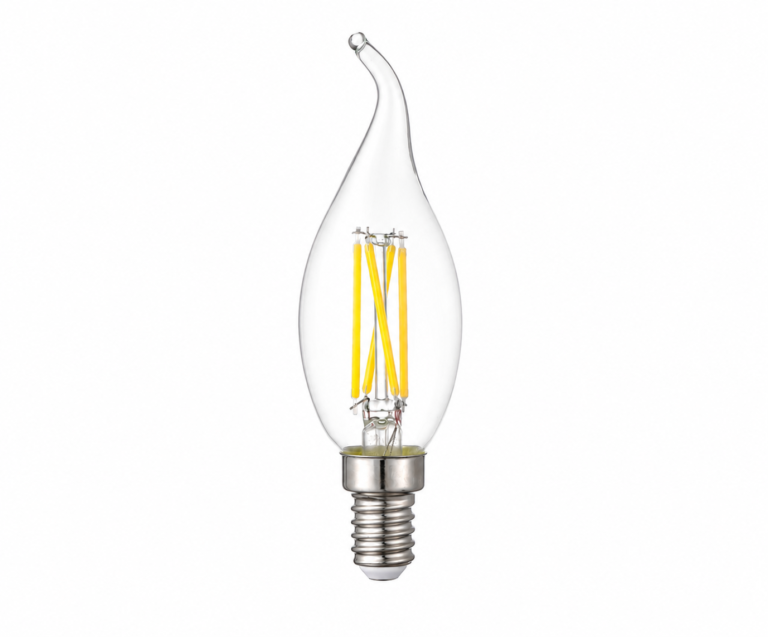
Voltage customization should never be separated from the bulb’s physical design. A compact candle bulb, a large globe bulb, and an Edison-style bulb may all need different configurations depending on the fixture and market.
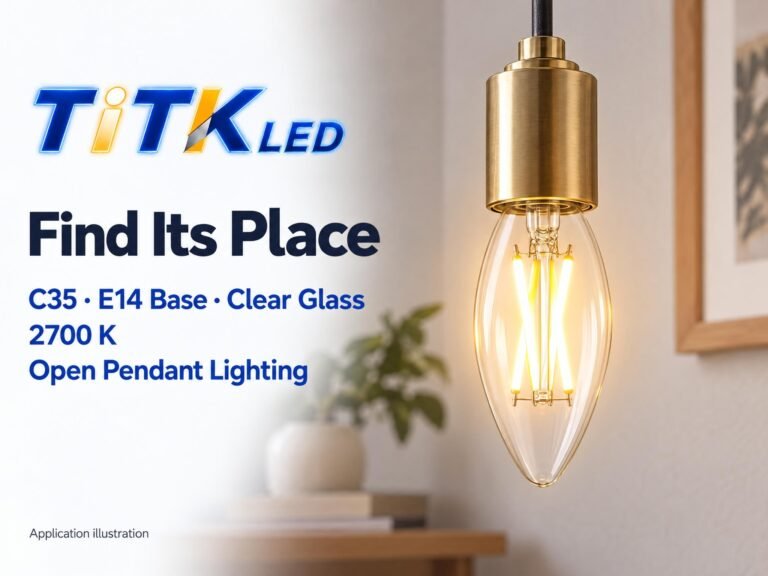
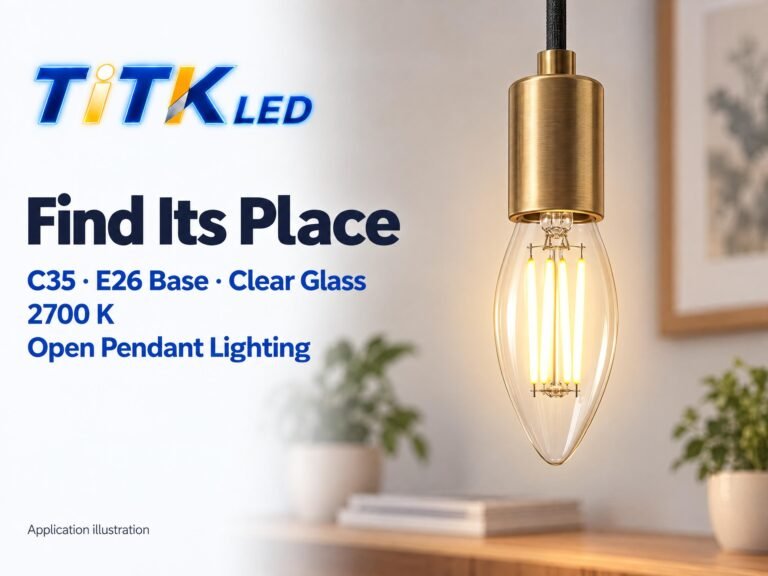
For international projects, buyers often need to coordinate voltage with lamp base and local mains standards. TITK products may use bases such as E14, E26, E27, or B22 depending on the model and project requirements. That means the correct voltage is only one part of the specification.
In practice, form and voltage should be checked together before finalizing a purchase. This is a basic rule of lighting design and one of the most common sources of avoidable mistakes in sourcing.
Questions to ask before confirming voltage
- What fixture type will the bulb go into?
- Is the installation mains AC or a low-voltage system?
- Which lamp base does the fixture require?
- How much room is available inside the shade or enclosure?
- Does the visual effect depend on a visible filament or decorative glass?
Color Temperature Still Shapes the Result
Voltage solves compatibility, but color temperature shapes atmosphere. Depending on the model, TITK bulbs may be available in 2200K, 2700K, 3000K, 4000K–4500K, or 6500K. Some models support multiple color temperatures or adjustable CCT.
This is important because the same voltage can support very different moods. Warm white lighting is often preferred when the goal is a soft decorative or hospitality atmosphere, while cooler options may suit more task-oriented or contemporary applications. For buyers working on restaurants, hotels, retail, or residential interiors, voltage must be considered alongside the desired color temperature.
For readers comparing product families, LED Filament Bulbs are often selected for their decorative appearance, while specific models in LED Edison Bulbs may be used where the vintage look is part of the brief.
Distribution, Beam Feel, and Fixture Constraints
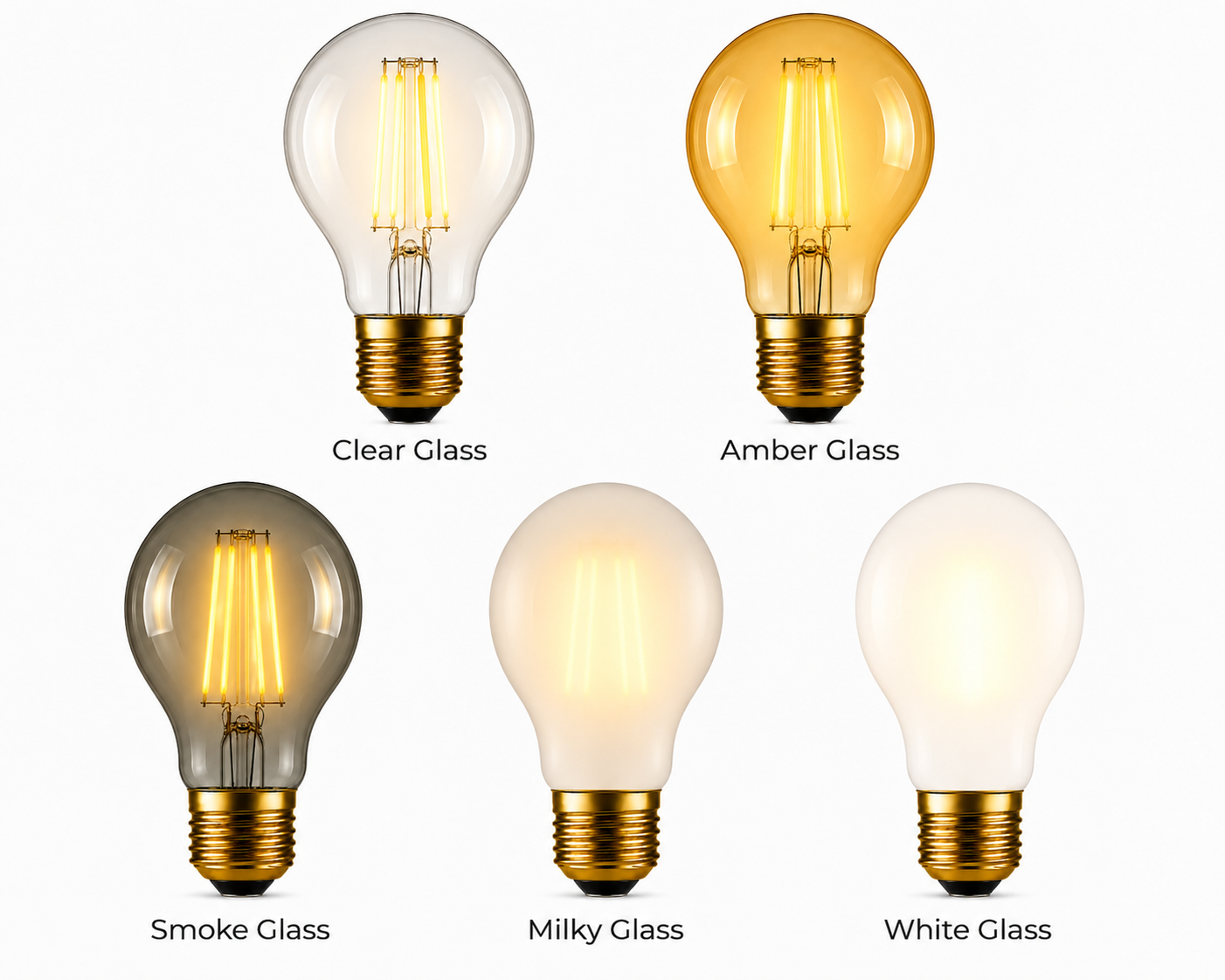
Distribution is another key part of the decision. In decorative fixtures, the way light is distributed matters as much as the amount of light. A clear glass bulb may reveal the filament more directly, while frosted or milky glass can soften the visual effect. TITK glass options depend on the model and may include clear glass, amber tea glass, smoke grey glass, frosted glass, or milky glass.
For a chandelier or pendant, wide visual coverage may be more important than strong directional light. For a table lamp or wall sconce, the bulb must fit the shade, avoid glare, and support the desired ambiance. This is where voltage customization interacts with application constraints: a bulb may be electrically correct but still unsuitable if the dimensions, base, or visual distribution do not match the fixture.
Buyers seeking softer decorative effects can also review LED Candle Bulbs and Decorative LED Bulbs for form-driven applications.
Low-Voltage Projects Need Extra Care
Low voltage LED bulbs are useful in selected systems, but they require careful confirmation of the supply type. TITK offers low-voltage configurations for certain models, including DC 3.7V and DC 5V designs, depending on the product. A low-voltage bulb must never be assumed to work directly on mains AC power unless that compatibility is explicitly verified for the model.
This point is especially important for installers and project buyers. If a project uses batteries, special drivers, or other DC-based systems, voltage selection must be confirmed early to avoid redesigns, delays, or wiring errors.
A Practical B2B Selection Method
If you are sourcing for wholesale, distribution, or project supply, use this sequence:
- Define the application: hospitality, commercial, residential, or decorative.
- Confirm the fixture type and lamp base.
- Identify the power source: mains AC or low-voltage DC.
- Choose the bulb form that fits the visual brief.
- Select color temperature and glass finish to match the atmosphere.
- Confirm voltage and other details with the supplier before ordering.
This approach is useful for wholesale LED bulbs programs because it reduces specification mismatches across different markets and installation environments.
When to Discuss Customization with TITK
TITK supports OEM and ODM cooperation for B2B customers. Depending on the project and product, customization may include product specifications, lamp base, input voltage, wattage, color temperature, glass finish, filament design, dimming functions, smart-control functions, branding, private label, and packaging. Final feasibility should always be confirmed for the specific project.
For buyers who need a structured starting point, custom LED bulbs are usually best discussed with the application first and the voltage second, not the other way around. That keeps the specification aligned with the real installation environment.
Conclusion
LED bulb voltage customization is not just an electrical choice. It is part of a broader lighting decision that connects fixture compatibility, bulb form, color temperature, distribution, and project constraints. When those elements are reviewed together, the result is a better fit for the application and fewer surprises during installation.
If you are planning a project or wholesale order, confirm the voltage, base, and full specification before ordering. For model-specific guidance, request a quotation or contact TITK to discuss your requirements.