LED Bulbs for Hotel Lighting Projects: A Practical Guide
A safe, practical guide for selecting and maintaining LED bulbs in hotel lighting projects, with guidance for buyers, installers, and specifiers.

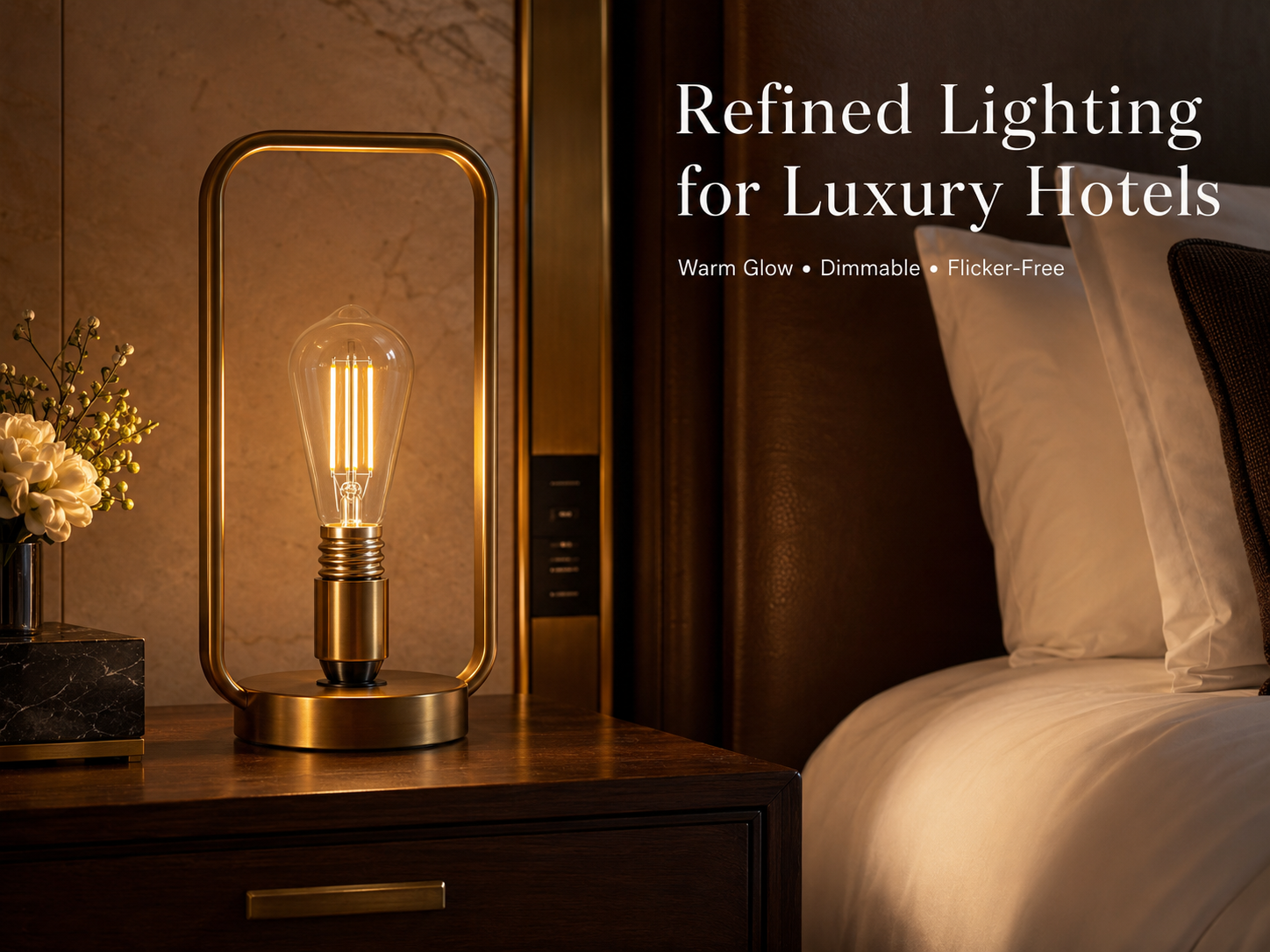
LED Bulbs for Hotel Lighting Projects: A Practical Guide
Hotel lighting asks for more than a good-looking bulb. In guest rooms, corridors, lobbies, dining areas, and service spaces, the right choice must support comfort, maintenance efficiency, and consistent appearance across many fixtures. For that reason, LED bulbs for hotel lighting projects are usually selected as part of a wider plan rather than as a stand-alone product decision.
This guide focuses on safe, practical selection and maintenance. It is written for buyers, distributors, installers, and informed consumers who want a clearer way to specify bulbs without relying on guesswork. Always confirm fixture requirements, dimming compatibility, and local electrical rules with the supplier and a qualified professional where needed.
Start with the hotel zone, not just the bulb shape
A hotel typically uses different lighting tasks in different areas. A bulb that works well in one zone may be a poor fit in another. The most reliable approach is to map the space first and then choose the bulb type, beam behavior, and control method that suits each area.
Typical hotel zones to review
- Guest rooms: Aim for comfortable, low-glare light and easy maintenance access.
- Bathrooms: Confirm moisture suitability, fixture compatibility, and cleaning access.
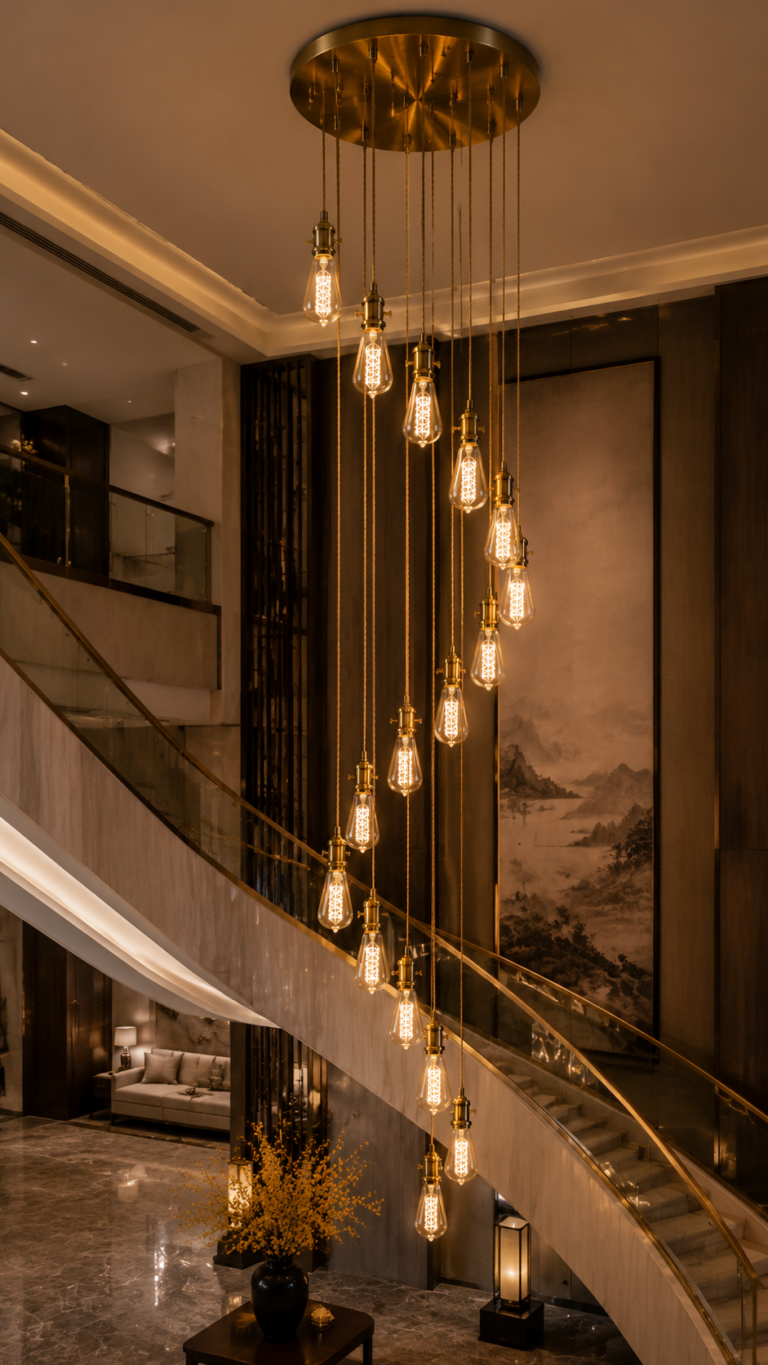
- Lobbies and reception: Balance appearance, ambience, and consistency across visible fixtures.
- Corridors and stairways: Prioritize dependable operation and straightforward replacement.
- Restaurants and lounges: Consider visual comfort and dimming behavior.
- Back-of-house areas: Focus on practical upkeep and standardization.
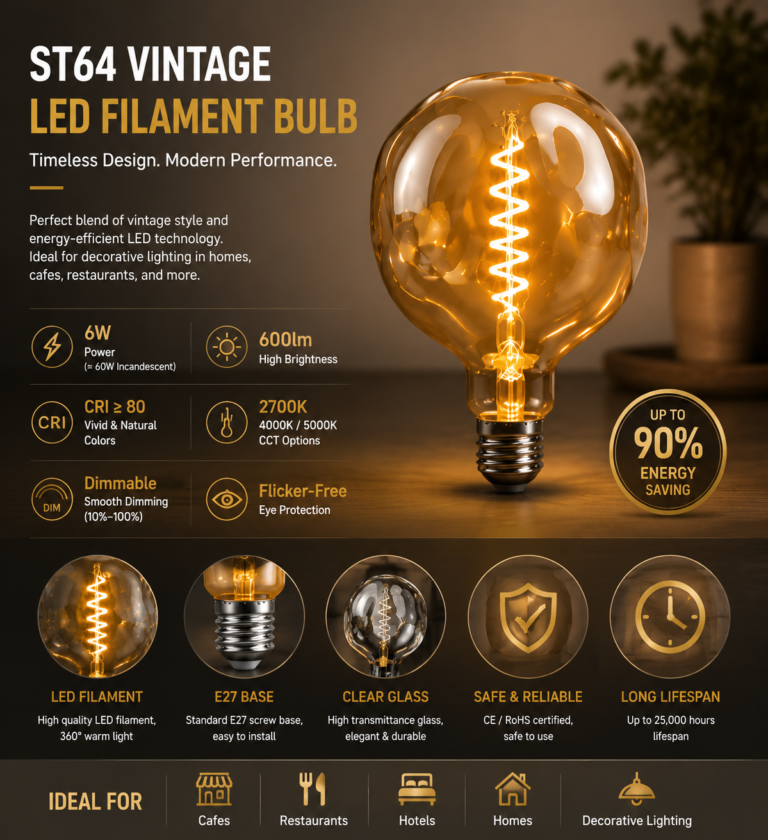
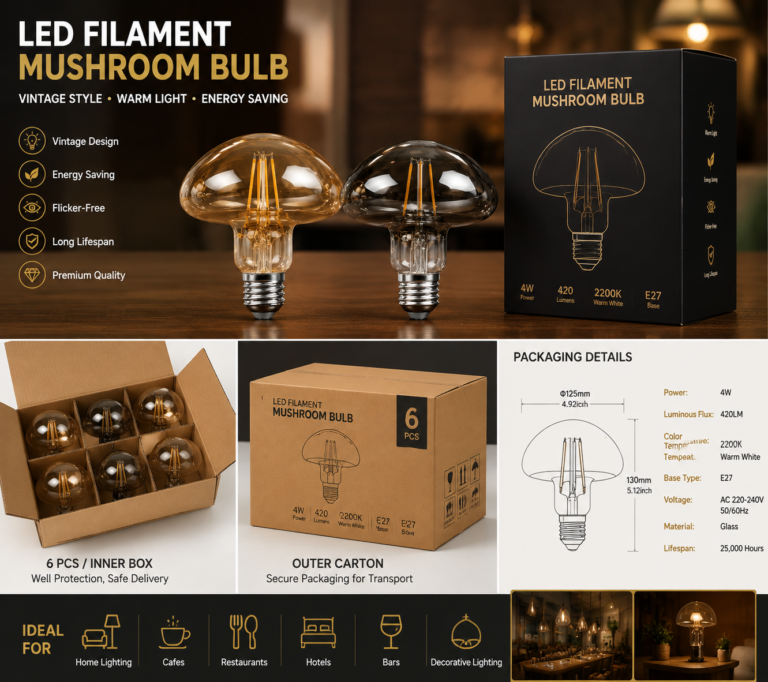
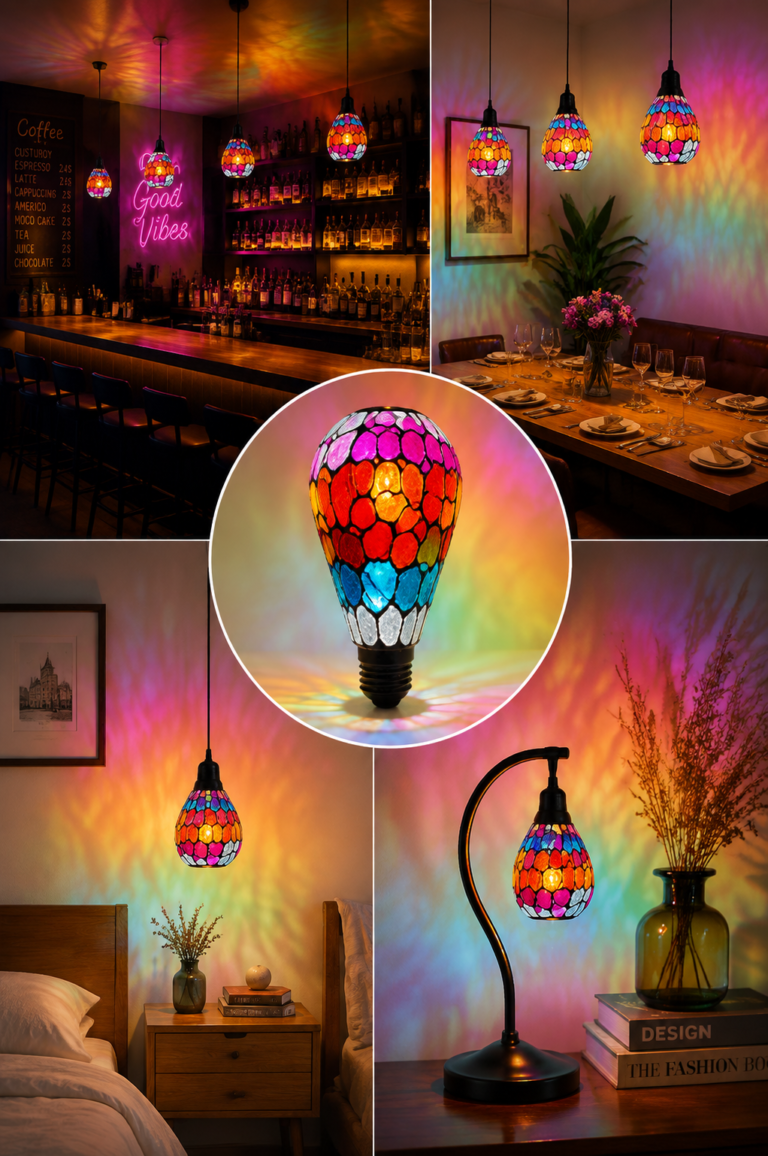
For visible decorative fixtures, you may want to review Decorative LED Bulbs or browse the broader range of LED Bulbs depending on the project’s style and maintenance needs.
Match the bulb to the fixture and control system
In hotel work, fit and control matter as much as appearance. A visually attractive bulb can still create problems if it does not suit the socket, shade, enclosure, or dimming method.
Check these items before ordering
- Base type: Confirm the socket style used in the existing fixture.
- Physical clearance: Make sure the bulb fits inside shades, globes, or enclosed luminaires.
- Control method: Verify whether the circuit uses a switch, dimmer, sensor, or central control.
- Visible color consistency: Aim for a coordinated appearance across rooms and floors.
- Access for replacement: Choose a format that can be changed without unnecessary disruption.
If dimming is part of the design, review the available Dimmable LED Bulbs early in the specification stage. Dimming performance should always be checked against the actual fixture and control system before deployment.
Select the right visual effect for the space
Hotels often need lighting that feels welcoming without drawing attention to the source. In public-facing areas, the bulb can become part of the interior language. In guest rooms, comfort and consistency usually matter more than decorative impact.
Useful selection questions
- Should the bulb be concealed, partially visible, or fully featured as part of the design?
- Will the fixture use a shade, open pendant, chandelier, or exposed socket?
- Is the goal a soft ambient effect or a more functional task-oriented output?
- Will the bulb be cleaned or replaced frequently by site staff?
For exposed applications, products such as LED Edison Bulbs or LED Candle Bulbs may be considered when the fixture style calls for a decorative profile. For round forms used in some hospitality fixtures, LED Globe Bulbs may also be relevant.
It is also helpful to separate decorative lighting decisions from purely functional ones. In many hotels, one product range cannot solve every zone, so the most practical outcome usually comes from a planned mix rather than a single universal bulb.
Plan for maintenance before the installation starts
Hotel lighting should be easy to service. A bulb that looks suitable on day one can become a maintenance burden if it is hard to access, identify, or standardize. This is especially important where dozens or hundreds of lamps may need replacement over time.
Maintenance-friendly practices
- Label bulb types by area and fixture family.
- Keep spare stock aligned with the installed specification.
- Record base type, fixture location, and control method in a simple inventory sheet.
- Replace bulbs in consistent groups when appearance matching is important.
- Inspect for dust build-up, loose fittings, and signs of wear during routine site checks.
These steps support commercial lighting teams that need predictable servicing and clearer stock planning. They also help reduce confusion for contractors working across multiple properties or phased renovations.
Installation checks that support a smoother handover
Installation should be handled by qualified personnel where required, especially when fixtures involve enclosed housings, multiple circuits, or unfamiliar dimming controls. Before handover, a simple site check can prevent avoidable callbacks.
| Check item | What to confirm | Why it matters |
|---|---|---|
| Fixture fit | Bulb clears the shade, trim, or enclosure | Reduces heat-related crowding and physical interference |
| Control behavior | Bulbs respond properly to switches or dimmers | Helps avoid flicker, dropout, or uneven output |
| Appearance | Visible bulbs look consistent across the space | Supports a uniform hotel presentation |
| Access | Staff can replace bulbs safely and practically | Improves maintenance efficiency |
For broader product comparisons during procurement, you can also review the main LED Filament Bulbs category when filament-style visuals are part of the project brief.
Common problems to prevent early
Many hotel lighting issues can be reduced by careful specification before purchase. The most common project frustrations are usually related to fit, compatibility, or inconsistent product grouping.
Watch for these avoidable issues
- Mismatched bulb families: Different shapes or finishes across the same area can look inconsistent.
- Improper dimming pairing: Not every bulb works equally well with every dimmer.
- Poor access planning: Bulbs placed in hard-to-reach fixtures can increase service time.
- Overly narrow standardization: Choosing one bulb for every location may not suit the needs of the property.
- Unconfirmed specifications: Always confirm details with the supplier before placing a bulk order.
These issues are especially relevant in hospitality lighting, where guest perception and operational efficiency both matter. The right bulb is one that fits the room, the fixture, the control system, and the maintenance plan.
Practical buying checklist for hotel projects
Before approving a purchase, ask for the information that helps installers and purchasing teams work from the same specification.
- Base type and physical dimensions
- Intended fixture type and enclosure conditions
- Dimming or non-dimming requirement
- Desired visual role: functional, ambient, or decorative
- Replacement planning and spare stock needs
- Supplier confirmation of compatibility details
A structured LED bulb buying guide helps keep each department aligned, especially when a hotel project is being rolled out across several spaces or property types.
Conclusion
Successful hotel lighting depends on choosing bulbs that suit the room, the fixture, and the maintenance plan. When buyers take time to confirm fit, control behavior, and replacement access, the result is usually simpler servicing and a more consistent guest experience. If you are planning a hotel project and need a practical starting point, review the relevant product categories and confirm the final specification with your supplier and qualified installer.