LED Bulbs for Hotel Lighting Projects: A Practical Site Guide
A practical guide to specifying, installing, checking, and maintaining LED bulbs across hotel guest rooms, public areas, back-of-house spaces, and exterior applications.

Hotel lighting projects combine guest experience, visual consistency, operational reliability, and straightforward maintenance. A bulb that looks appropriate in a showroom may not perform as expected in a guest room, corridor, restaurant, reception area, or service space unless the complete lighting system is considered.
This guide explains how to plan, install, inspect, and maintain LED bulbs for hotel lighting projects. It is intended for international buyers, distributors, installers, project managers, and informed property owners. Product specifications and installation requirements should always be confirmed with the supplier, fixture manufacturer, and a suitably qualified professional.
Start with the hotel’s lighting applications
Do not select one bulb type for every area simply to reduce the number of stock items. Different spaces have different visual and practical requirements. Guest rooms may need comfortable ambient light and attractive decorative sources, while corridors require consistent appearance and easy replacement. Restaurants, spas, meeting rooms, and back-of-house areas may need different beam, color, dimming, or operating characteristics.
- Guest rooms: Review bedside lamps, desk lamps, ceiling fixtures, bathroom fittings, and decorative pendants separately.
- Reception and lobby areas: Check the relationship between decorative bulbs, architectural lighting, and the property’s interior finishes.
- Restaurants and bars: Confirm how the bulb’s appearance changes with table surfaces, food presentation, wood finishes, and other materials.
- Corridors and stairs: Prioritize consistent color appearance, suitable distribution, and straightforward access for maintenance.
- Meeting and event spaces: Establish whether dimming, scene control, or compatibility with existing controls is required.
- Back-of-house areas: Select practical products suited to the fixture, environment, access conditions, and operating schedule.
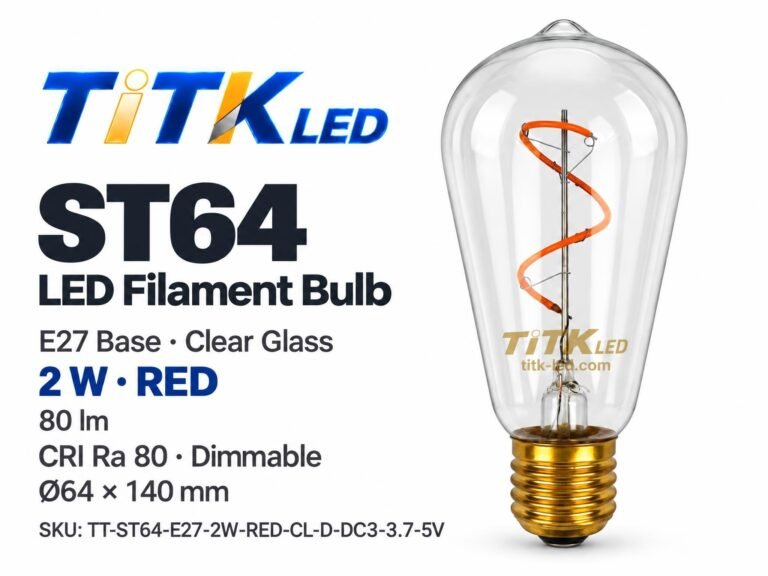
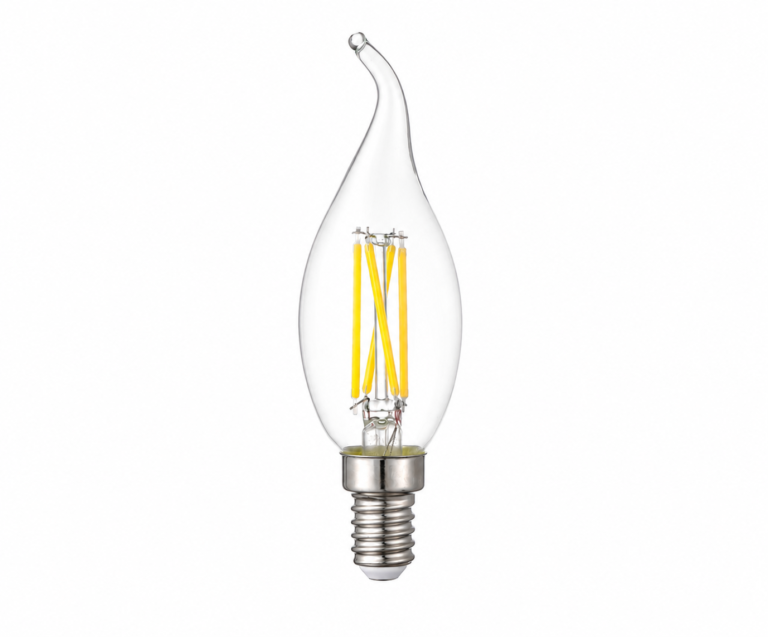
For decorative applications, review TITK’s LED filament bulb range as one possible starting point. The correct product still depends on the socket, fixture, control system, environment, and required appearance.
Build a project specification before ordering
A clear schedule prevents substitutions that create inconsistent light or installation problems. Record the information below for every fitting or room type:
| Specification area | What to confirm |
|---|---|
| Socket and form | Base type, bulb dimensions, shape, clearances, and whether the lamp is visible. |
| Light output | Required brightness and distribution for the task, fixture, and room. |
| Color appearance | Color temperature, color consistency, and suitability for finishes and hospitality ambience. |
| Control compatibility | Whether the bulb is used with a dimmer, sensor, timer, smart control, or existing system. |
| Environment | Indoor or outdoor location, moisture exposure, ambient temperature, ventilation, and cleaning conditions. |
| Procurement details | Sample approval, packaging, labeling, replacement availability, and supplier documentation. |
Ask the supplier to identify which specifications are measured, which are nominal, and which depend on the fixture or control gear. Request samples for representative fittings rather than approving a bulb from a product image alone.
Check compatibility before installation
Confirm the socket and fixture
Verify that the bulb base matches the lampholder and that the bulb fits without touching a shade, enclosure, reflector, or other component. Check the fixture’s intended lamp type and any restrictions provided by its manufacturer. A physically compatible bulb is not automatically suitable for every enclosed, directional, damp, or high-temperature application.
Review dimming and control systems
If dimming is required, compatibility must be checked between the LED bulb, dimmer, wiring arrangement, and any control equipment. Dimming behavior can include limited range, flicker, noise, delayed startup, or uneven operation when components are mismatched. Use products identified by the supplier as suitable for the intended control system, and test the complete combination before wider installation.
For projects requiring adjustable light levels, review the dimmable LED bulb options and confirm the exact control requirements with the supplier and installer.
Consider the operating environment
Review moisture, dust, heat, vibration, cleaning chemicals, and ventilation. Do not assume that a bulb suitable for a dry guest room is suitable for a bathroom, outdoor lantern, kitchen, plant room, or enclosed fitting. The fixture and bulb should be evaluated as a complete application.
Use a controlled installation process
Hotel work is often completed in stages, sometimes while rooms or public areas remain in operation. A documented process helps installers avoid mixing product variants and gives the project team a reliable record.
- Identify the fitting: Match the room, fixture, bulb type, and approved product reference against the project schedule.
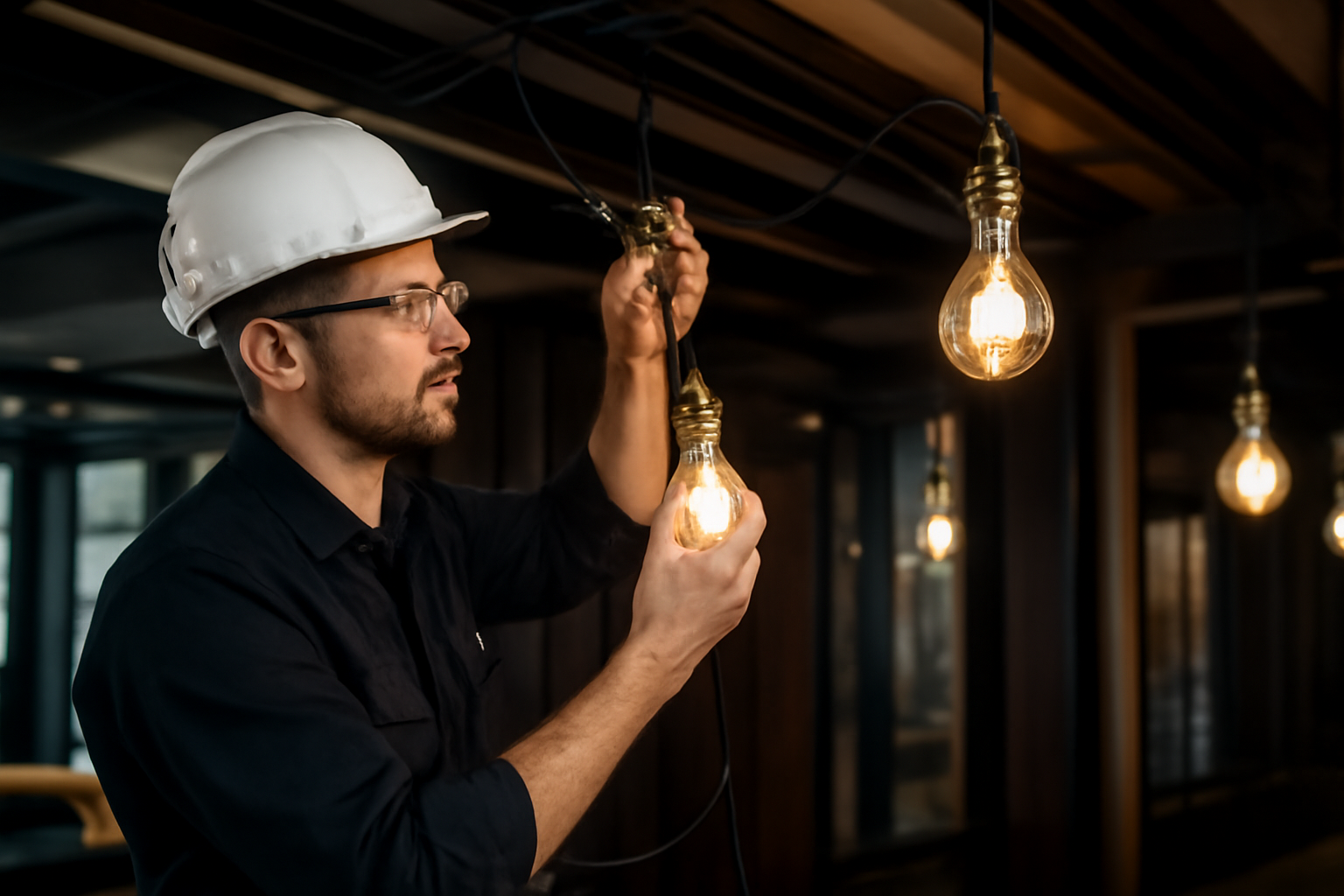
- Isolate the circuit appropriately: A qualified person should assess and make the installation electrically safe according to applicable local requirements and site procedures.
- Inspect the product: Check the bulb, base, packaging, and labeling for visible damage or an incorrect specification. Do not install damaged products.
- Install without force: Keep hands and tools clear of fragile glass or decorative elements, and fit the bulb according to the fixture and supplier instructions.
- Check the fitting: Confirm that the lamp is seated correctly, has suitable clearance, and is not obstructed by a shade or enclosure.
- Restore and test: Test switching, dimming, sensors, and the visual appearance from normal guest viewpoints.
- Record the result: Note the room, product reference, date, installer, control arrangement, and any issue requiring follow-up.
Electrical connections, circuit changes, control-system work, and installations in unusual or higher-risk environments should be handled by appropriately qualified personnel. Where local rules, building requirements, or manufacturer instructions differ, follow the applicable professional guidance.
Inspect the result before handover
Visual inspection should cover more than whether the bulb turns on. Compare representative rooms and fittings for color appearance, brightness balance, glare, shadowing, and decorative alignment. Check the bulb from the guest’s normal viewing position, particularly where it is exposed in a pendant, wall light, table lamp, or chandelier.
For dimmed areas, test the intended scenes rather than only the maximum and minimum settings. For sensor-controlled areas, verify the complete sequence, including activation, delay, and return to the required light level. Keep approved samples or reference photographs for future replacement decisions.
Create a practical maintenance plan
Keep replacement information accessible
Maintain a room-by-room or area-by-area schedule showing the approved bulb shape, base, color specification, control compatibility, and supplier reference. This reduces the risk of replacing a visible decorative bulb with a visually different alternative.
Inspect during routine room and facility checks
- Look for failed, flickering, loose, cracked, discolored, or visibly damaged bulbs.
- Check shades, holders, and enclosures for dust, moisture, heat marks, or other conditions that may affect operation.
- Investigate repeated failures in the same fitting instead of repeatedly replacing the bulb.
- Clean only according to the fixture and product instructions, using suitable methods and avoiding excess moisture.
- Store replacement bulbs in their original packaging in a clean, dry location away from impact.
Where a failure repeats, pause substitution and review the fixture, wiring, control gear, environmental conditions, and installation records. A qualified professional should investigate electrical or system-related faults.
Coordinate with the supplier and project team
Before bulk delivery, agree on sample approval, product identification, packaging, spare quantities, documentation, and the process for reporting defects or compatibility concerns. Ask for current technical information rather than relying on an old schedule or a visually similar product.
For globe-shaped decorative fittings, you can also review LED globe bulbs. For exposed vintage-style installations, LED Edison bulbs may be relevant, subject to the project’s design and compatibility requirements.
Final project checklist
- Every fitting has a defined bulb type and approved specification.
- Socket, dimensions, fixture conditions, and controls have been checked.
- Samples have been tested in representative hotel spaces.
- Installation and electrical work are assigned to suitably qualified personnel.
- Switching, dimming, sensors, appearance, and clearances have been inspected.
- Replacement references and maintenance records are available to the hotel team.
A disciplined specification and handover process helps hotel teams achieve consistent lighting without making assumptions about compatibility. Contact TITK to discuss project requirements, then confirm the final product and installation details with the relevant supplier and qualified installer.