
LED Filament Bulb Buying Guide: How to Specify, Sample, and Approve the Right Model
A practical LED filament bulb buying guide for sourcing teams, distributors, installers, and informed consumers. Learn how to align specifications, review samples, check quality, confirm packaging, and communicate clearly with suppliers.

LED Filament Bulb Buying Guide: A Practical Sourcing Framework
If you are sourcing for wholesale, project use, or private label supply, an LED filament bulb buying guide should do more than compare shapes and prices. The real job is to help you confirm that the bulb fits the fixture, the light matches the application, and the supplier can deliver the exact specification consistently.
This is especially important for B2B buyers, installers, distributors, and informed consumers who need decorative lighting that looks right and performs correctly. For buyers working with TITK, the key is to confirm the model details first, because specifications can vary by product.
1) Start with the application, not the shape
A bulb shape may be visually appealing, but application comes first. Before requesting quotations, define where the bulb will be used and what the fixture requires. TITK products may be used in hotels, restaurants, cafes, bars, commercial interiors, retail stores, villas, residential interiors, pendant lights, chandeliers, wall sconces, table lamps, floor lamps, vanity lighting, and other decorative fixtures, depending on the model.
Ask these questions early:
- What fixture will hold the bulb?
- What lamp base is required?
- What input voltage is the fixture designed for?
- Is dimming needed?
- Which glass finish and color temperature suit the space?
In decorative lighting, the best choice is the bulb that matches the fixture and the user experience, not simply the one with the most eye-catching profile.
2) Align specifications before comparing samples
Specification alignment is the foundation of successful sourcing. Buyers often ask for samples too early, before confirming the exact model. That can lead to confusion if the sample differs in base, voltage, finish, or light appearance.
When reviewing an offer, confirm the following for the individual model:
- Lamp base, such as E14, E26, E27, or B22, depending on the model and project requirements
- Input voltage, whether AC 110–120 V, AC 220–240V, or a low-voltage design
- Wattage and color temperature, depending on the model
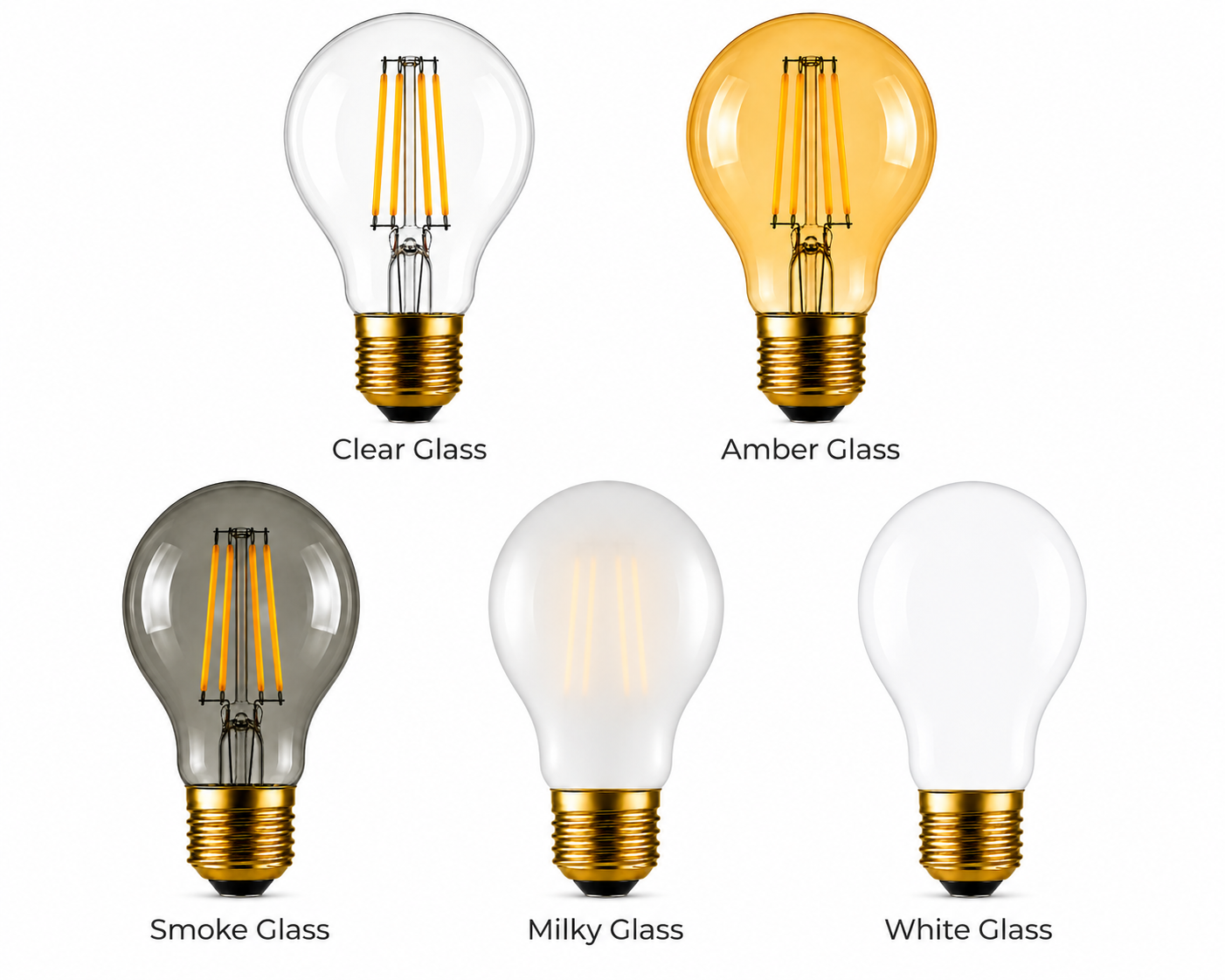
- Glass finish, such as clear glass, amber tea glass, smoke grey glass, frosted glass, or milky glass, where available
- Any dimming or smart-control function, if required
- Branding and packaging needs for OEM or private label orders
If you are comparing Edison bulbs for a heritage look, or decorative LED bulbs for retail display, consistency in these details matters as much as appearance.
3) Request samples that reflect the final order
Samples are useful only if they represent the final sourcing target. A sample should match the agreed specification as closely as possible, so you can review fit, appearance, color tone, and practical usability.
When requesting samples from TITK, provide a clear brief. Include the product family, base, voltage, color temperature, glass finish, dimming requirement, and packaging expectations. If your project uses a specific bulb family, you can also browse TITK’s LED Filament Bulbs category or the Decorative LED Filament Bulbs category to narrow your shortlist.
For project buyers, sample evaluation should focus on practical fit as well as visual result. Check whether the bulb sits correctly in the fixture, whether the glass finish matches the design intent, and whether the light color suits the environment.
4) Use quality checks that support real-world use
Quality control for LED filament bulbs should be simple, repeatable, and relevant to the actual application. For buyers, that means checking the things that influence installation and end-user satisfaction.
What to inspect on arrival
- Correct product model and labeling
- Glass finish and physical appearance
- Base type and fit
- Voltage marking and specification match
- Dimming or smart function, if applicable
- Packaging condition during transit
What to test before approval
- Basic fit in the intended fixture
- Light appearance in the target environment
- Compatibility with the specified control method, if dimmable
- Visual consistency across several samples from the same batch
TITK may publish educational content on product inspection, aging tests, performance testing, dimming, color temperature, and CRI, but the key sourcing rule remains the same: verify the actual model you plan to buy.
If your procurement team is comparing wholesalers or OEM LED bulbs options, make quality checks part of the approval process rather than an afterthought.
5) Confirm packaging early, especially for wholesale and OEM orders
Packaging is more than a branding detail. It affects product protection, shelf presentation, warehouse handling, and final customer experience. For B2B orders, packaging should be discussed before production starts, especially when the order is intended for a distributor, importer, lighting brand, or project contractor.
Depending on the project, packaging may include product branding, private label elements, carton design, and retail-ready presentation. Ask the supplier whether packaging can be customized according to the project and whether the packaging format suits your channel.
If your buyer base includes retailers or project installers, a clear package structure can reduce confusion and improve handling. It also makes receiving and stock management easier across multiple locations.
6) Keep documentation simple and complete
Good sourcing depends on documents that leave little room for misunderstanding. Before placing an order, ask for a written specification sheet or quotation that clearly states the agreed product details. For international sourcing, the most useful documents usually include the product model, base, voltage, wattage, color temperature, glass finish, function, and packaging notes.
If you are ordering for a lighting project, documentation should also show any special requirements tied to the fixture or installation environment. That is especially important when different markets need different voltage settings or base types.
For example, if you are evaluating a globe style, TITK’s G95 LED Filament Bulb E27 Decorative Globe Light can be a useful reference point for a decorative globe format. Buyers seeking a vintage profile can also review the E27 vintage Edison LED filament bulb product page for a closer look at styling options.
7) Communicate like a sourcing team, not just a shopper
Clear supplier communication saves time and avoids expensive mistakes. A good brief should read like a project note, not a general inquiry.
When contacting TITK, include:
- Target market and application
- Required base and voltage
- Preferred color temperature
- Glass finish preference
- Dimming or smart-control requirement
- Packaging and branding needs
- Any must-match sample reference
Use one thread for one product specification. If you need multiple options, ask for a structured comparison rather than mixing requirements in one message. This helps the supplier confirm feasibility according to the specific project.
8) A practical checklist before you approve an order
| Item | What to confirm | Why it matters |
|---|---|---|
| Application | Fixture type and end use | Ensures the bulb suits the environment |
| Base | E14, E26, E27, or B22 as required | Prevents fit issues |
| Voltage | AC or low-voltage design for the model | Supports safe installation |
| Light appearance | Color temperature and glass finish | Controls visual outcome |
| Function | Dimmable or smart, if needed | Matches user expectations |
| Packaging | Retail, private label, or project packaging | Protects goods and supports sales |
| Documents | Final written specification | Reduces ordering errors |
9) Final buying advice
A strong LED filament bulb buying guide is not about choosing the brightest-looking bulb in a catalog. It is about matching specification, sample, quality checks, packaging, and communication to the actual order.
For wholesale LED bulbs and OEM LED bulbs projects, that process protects your margin, your installation schedule, and your customer satisfaction. It also helps ensure that the product you approve is the product you receive.
If you are planning a new order or comparing models, contact TITK to confirm voltage, base, and final specification before ordering. You can also request samples or discuss OEM/ODM options for your project.



