Table Lamp Vintage Bulbs: Diagnose Fit, Flicker and Glow
A practical troubleshooting guide for selecting and installing vintage LED bulbs in table lamps, covering fit, flicker, dimming, color, heat, and safe corrective action.

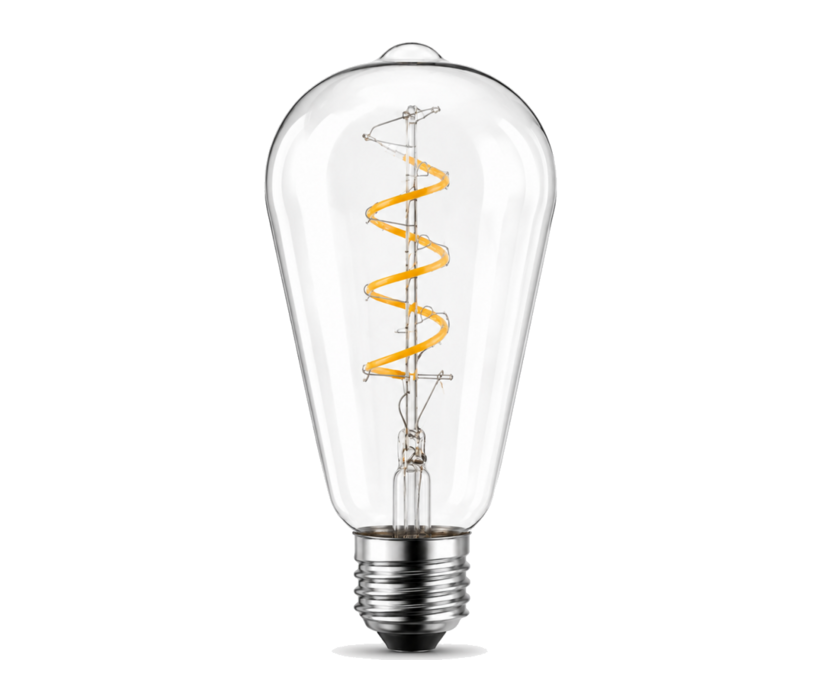
Vintage LED bulbs can give a table lamp a warm, decorative appearance, but the right choice depends on more than the glass shape. A bulb may look suitable and still produce flicker, poor light distribution, excessive glare, or an awkward fit. These problems often come from a mismatch between the bulb, lamp holder, switch, shade, or dimming system.
This practical table lamp vintage bulb troubleshooting guide moves from visible symptoms to likely causes, checks, and corrective actions. It is suitable for international buyers, distributors, installers, and consumers comparing decorative LED filament bulbs for residential, hospitality, retail, and display applications.
Start with the lamp, bulb, and operating conditions
Before replacing a bulb, record the lamp’s basic details. Check the socket type, rated voltage, maximum permitted wattage, shade clearance, switch design, and whether a dimmer is installed. Confirm the bulb’s base, input-voltage range, shape, dimensions, and intended application with the supplier.
For product selection, review TITK’s LED bulb range and compare the relevant specification sheet rather than choosing by appearance alone. Decorative lamps may use exposed bulbs, but the bulb still needs to match the electrical and mechanical conditions of the fitting.
Symptom: The vintage bulb does not fit or looks unbalanced
Likely causes
- The base is incorrect for the lamp holder.
- The bulb diameter or length conflicts with the shade, harp, or frame.
- The globe or Edison shape is too visually dominant for the lamp.
- The bulb sits at an angle because the holder is loose or worn.
Checks
Turn off and unplug the lamp before inspection. Confirm the socket marking and compare it with the bulb base. Measure the available height and width, including the space inside the shade. Check whether the bulb is fully seated without force. A loose holder, damaged thread, or distorted socket should be repaired or replaced by a qualified person.
Corrective actions
Select a bulb with the correct base and a smaller envelope if clearance is limited. For compact table lamps, a tubular, candle, or small globe form may be more balanced than a large globe. If the bulb is exposed, review TITK’s LED Edison bulb options for styles that suit the intended visual effect, then verify dimensions before ordering.
Symptom: The bulb flickers, pulses, or turns off unexpectedly
Likely causes
- The lamp uses a dimmer or touch switch that is not compatible with the bulb.
- The socket connection is loose or oxidized.
- The supply voltage is unsuitable for the bulb.
- A three-level switch is being used with a bulb that does not support that control method.
- The bulb or lamp has an internal fault.
Checks
First, operate the lamp from a standard on/off switch if possible. If flicker stops, the control device is a primary suspect. Test the bulb in a known-compatible lamp, and test a known-good bulb in the original lamp. This simple cross-check helps separate a bulb problem from a fitting or control problem.
Inspect the plug, cable, socket, and switch for damage. Do not work on live equipment. For commercial installations, confirm the supply conditions and control-system requirements with a qualified electrician. Ask the supplier whether the bulb is suitable for dimming, touch control, or a particular input-voltage environment.
Corrective actions
Use a compatible non-dimmable bulb with a basic on/off switch, or specify a dimmable model when the lamp requires variable output. TITK’s dimmable LED bulb category can be used as a starting point, but compatibility should still be confirmed for the exact dimmer and lamp combination. Replace loose or damaged electrical components rather than compensating with a different bulb.
Symptom: The light is too harsh, too weak, or the wrong color
Likely causes
- The color temperature does not match the room or shade.
- The bulb’s light output is unsuitable for reading, task use, or ambience.
- The shade blocks too much light or creates uneven distribution.
- The exposed filament design produces glare at the viewing angle.
Checks
Define the lamp’s purpose before selecting the replacement. A bedside or lounge lamp may prioritize a warm, relaxed appearance, while a desk lamp requires more usable light and controlled glare. Check the bulb’s stated color temperature, lumen output, beam description, and color-rendering information. These values should be taken from the supplier’s current technical documentation.
Corrective actions
For decorative table lamps, choose a warm-toned bulb when ambience is the priority. For reading or work, consider a brighter source, a more directional form, or a shade that diffuses the filament without blocking too much light. If the filament is directly visible, use a frosted or opal alternative where available, or change the shade position to reduce eye-level glare. TITK’s decorative light bulb selection may help buyers compare different visual formats.
Compare Amber, Smoked and Clear Glass
Amber or smoked glass filament bulbs
Amber glass creates a warm, nostalgic appearance and can soften the perceived brightness of a visible bulb. It is often suitable for hospitality, lounge, bedroom, and decorative residential applications. However, the darker the glass treatment, the more carefully the buyer should evaluate usable light output and visual consistency between batches. Smoked or tinted glass may provide a contemporary vintage effect, but it can look different under daylight, warm interior lighting, or photography. Request physical samples when the glass appearance is central to the project.
Clear glass filament bulbs
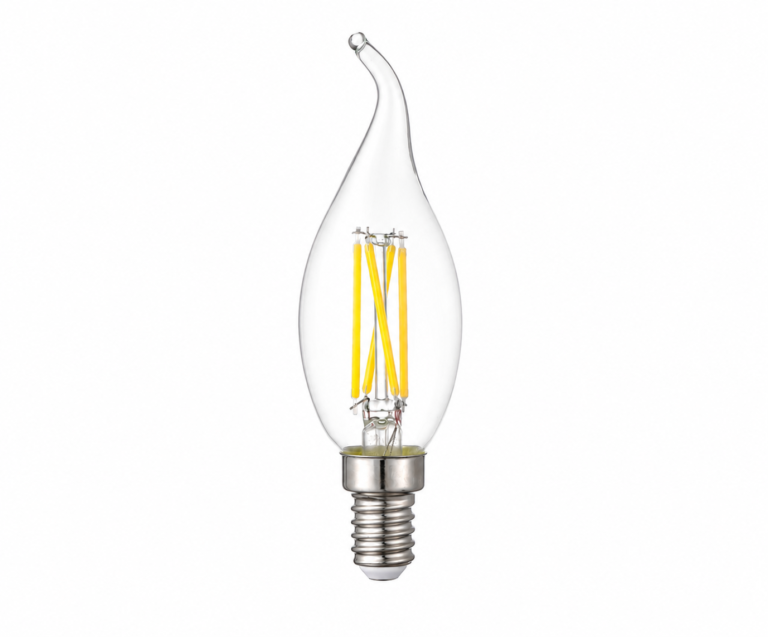
Clear glass reveals the filament structure and can provide a cleaner, more versatile appearance. It may suit table lamps with fabric shades or open decorative fittings where the bulb needs to contribute to the design without strongly changing the shade color. Clear bulbs can also expose imperfections more readily. Inspect filament alignment, internal support visibility, glass clarity, and the appearance of the powered bulb rather than relying only on product photography.
Symptom: The lamp or bulb becomes unusually hot
Likely causes
- The bulb is installed in a confined shade or enclosed fitting.
- The lamp exceeds the bulb’s permitted operating conditions.
- Air circulation around the bulb is restricted.
- The holder or wiring has a separate electrical fault.
Checks
Switch off and allow the lamp to cool before touching it. Review the bulb’s enclosure guidance and compare it with the lamp design. Check whether the shade traps heat around the bulb. Look for discoloration, a burnt smell, cracked plastic, or heat damage around the socket and cable.
Corrective actions
Use a bulb approved by the supplier for the actual fitting conditions, or choose a smaller form that allows better clearance. Do not exceed the lamp manufacturer’s stated limits. If there are signs of wiring or socket damage, stop using the lamp and arrange professional inspection. Do not assume that an LED bulb is suitable for every enclosed or poorly ventilated application.
Symptom: The bulb works, but the appearance is disappointing
Likely causes
- The filament layout is not well matched to the shade or viewing angle.
- The glass tint changes the perceived color of the light.
- The bulb shape does not suit the lamp proportions.
- Decorative appearance was prioritized without checking functional requirements.
Checks and corrective actions
View the lamp from its normal position and assess the bulb with the shade installed. Compare the form, glass finish, filament arrangement, and base visibility. For hospitality or retail projects, approve a sample under the actual interior lighting before placing a larger order. For distributors, request consistent product information covering dimensions, base, voltage, dimming status, color options, and packaging.
A practical replacement checklist
- Identify the socket and supply-voltage requirements.
- Measure the maximum bulb height and diameter.
- Decide whether the lamp needs ambience, reading light, or both.
- Confirm dimmer, touch-switch, and three-level-switch compatibility.
- Check enclosure, ventilation, and shade-clearance requirements.
- Compare color, output, beam, glass finish, and filament appearance.
- Test a sample in the intended lamp before wider procurement.
- Confirm all specifications with the supplier before ordering.
When to replace the lamp instead of the bulb
A bulb replacement is not the right correction when the socket is loose, the cable is damaged, the switch arcs, or the lamp repeatedly overheats. These conditions indicate a fitting or electrical problem. Isolate the lamp and seek qualified service. In a commercial project, document the fault, model, operating conditions, and corrective action so that repeat issues can be identified across the installation.
The best vintage bulb for a table lamp is therefore the one that satisfies the lamp’s electrical requirements, physical clearances, control method, visual purpose, and heat conditions. When specifications are unclear, ask the supplier for confirmation and test the chosen model in the final application before committing to volume purchasing.