
Troubleshooting LED Bulbs in Hospitality Lighting
A practical troubleshooting guide for hospitality buyers, installers, and distributors dealing with dimming, flicker, color mismatch, fit, and compatibility issues in LED bulbs for hospitality lighting.

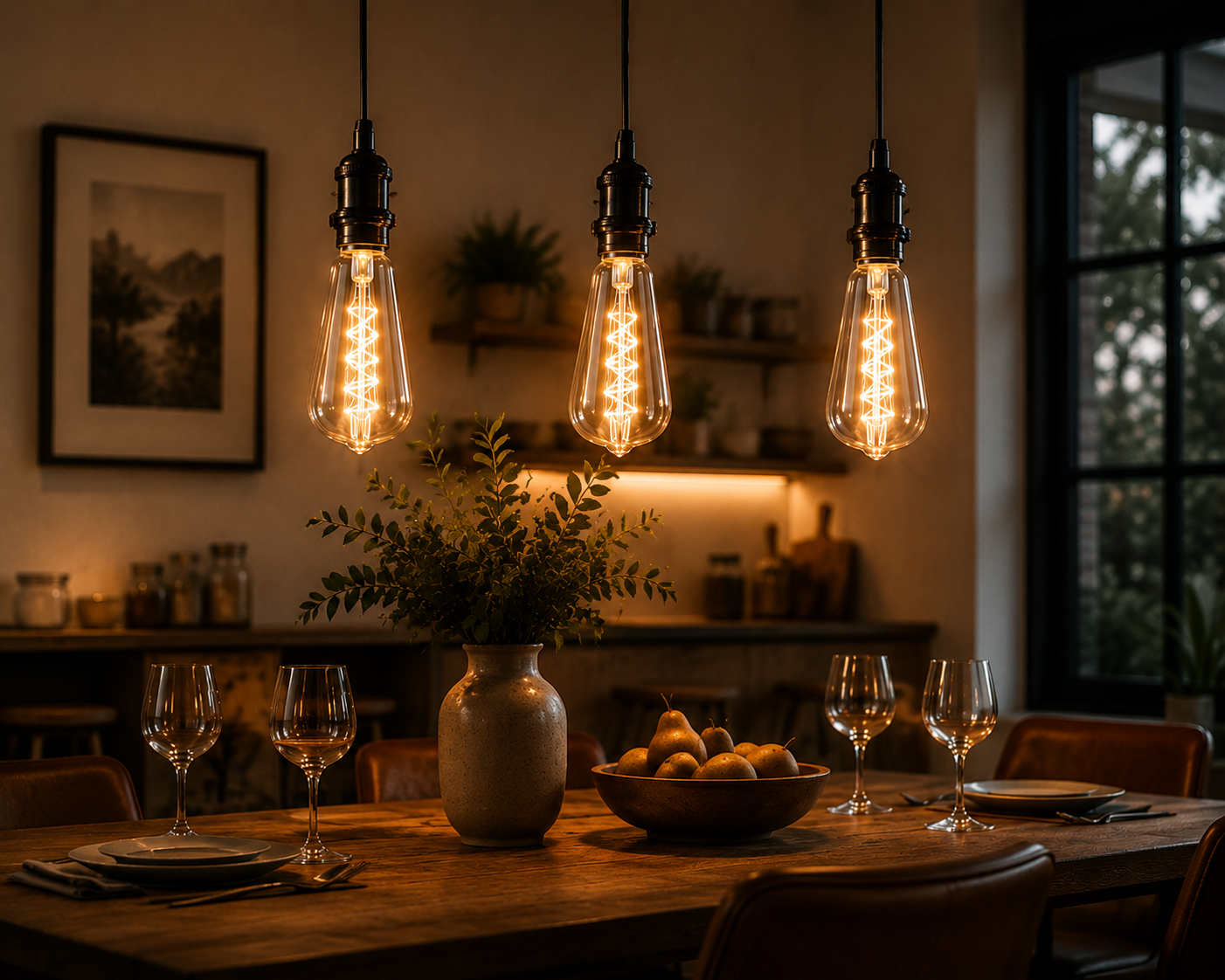
LED Bulbs for Hospitality Lighting: How to Troubleshoot Common Problems
In hotels, restaurants, cafés, bars, and other guest-facing spaces, LED bulbs for hospitality lighting must do more than turn on. They need to fit the fixture, match the ambience, and behave consistently with dimmers, controls, and the building’s electrical setup. When something looks wrong, the issue is often not the bulb alone. It may be a mismatch between the bulb, the fixture, and the operating environment.
This guide moves from symptoms to likely causes, then to quick checks and corrective actions. It is designed for international B2B buyers, distributors, installers, and informed consumers who want a practical way to isolate the problem before ordering replacements or revising a project specification.
Start with the symptom, not the assumption
Before replacing anything, identify what the problem looks like. In hospitality lighting, the most common complaints are flicker, inconsistent dimming, color mismatch, low light output, buzzing, premature failure, or a bulb that does not fit correctly. The same symptom can have different causes depending on voltage, lamp base, glass finish, fixture type, and dimmer compatibility.
If you are sourcing through LED Filament Bulbs or browsing Decorative LED Bulbs, always confirm the exact model against the fixture and control system before installation.
Symptom 1: The bulb flickers or pulses
Likely causes
- Incompatible dimmer type
- Loose wiring or poor contact at the lamp base
- Voltage mismatch between bulb and supply
- Control system not designed for the bulb’s electronics
- Low-voltage bulb connected to the wrong power source
Checks to perform
- Confirm the input voltage on the product label or specification sheet.
- Check whether the fixture uses AC mains or a low-voltage system.
- Test the bulb in a different fixture with the same base type.
- Inspect the dimmer model and confirm that the bulb is intended for that control method.
- Review the contact points for looseness, oxidation, or mechanical damage.
Corrective actions
- Replace the dimmer with one suited to the bulb’s dimming function, if required.
- Use the correct voltage version for the project.
- Reseat or replace the bulb if the base contact is unreliable.
- For low-voltage designs, verify the driver or power supply before reconnecting.
Many issues in commercial lighting come from assuming that a decorative bulb can be treated like a generic lamp. In reality, dimmer compatibility and voltage confirmation are essential.
Symptom 2: The light color looks wrong
Likely causes
- Color temperature selected incorrectly for the space
- Different bulb models mixed in the same room
- Warm and cool sources used together without planning
- Glass finish affecting visual warmth
- Smart or dual-CCT modes set to the wrong scene
Checks to perform
- Compare the stated color temperature on all bulbs in the same zone.
- Check whether the fixture design or shade changes the perceived color.
- Confirm whether the product is fixed CCT or adjustable CCT.
- Verify that replacement bulbs match the original specification.
Corrective actions
- Use one consistent color temperature across a visible area.
- For hospitality dining or guest rooms, choose a tone that fits the intended atmosphere.
- If the project uses tunable or dual-CCT products, set one mode across the zone.
- Do not mix different bulb families in a setting where color consistency matters.
This is especially important for warm white lighting in spaces where a calm, welcoming appearance is expected, and for color temperature coordination across visible fixtures.
Symptom 3: The bulb fits poorly or sits unevenly
Likely causes
- Incorrect lamp base selected
- Bulb dimensions too large for the fixture
- Shade, cage, or diffuser interfering with the glass envelope
- Wrong bulb shape for the socket orientation
- Incompatible fixture depth or clearance
Checks to perform
- Verify the lamp base type before shipment or installation.
- Measure the available clearance inside the fixture.
- Check whether the bulb is intended for open or enclosed decorative use.
- Confirm overall height and diameter against the fixture drawing.
Corrective actions
- Select a smaller or differently shaped bulb if clearance is tight.
- Match the base type carefully; common options may include E14, E26, E27, or B22 depending on the model and project requirements.
- For feature fixtures, confirm the visual proportions before ordering in quantity.
For buyers evaluating decorative lighting, fit is as important as appearance. A bulb can look correct in a catalog and still be unsuitable once installed in a real fixture.
Symptom 4: The bulb is too bright, too dim, or unbalanced
Likely causes
- Wrong wattage selected for the application
- Lumens not matched to room function
- Different bulb types used in the same visual zone
- Shade materials reducing or redirecting output
- Fixture spacing creating uneven illumination
Checks to perform
- Compare the bulb’s output against the room’s purpose.
- Check whether adjacent fixtures use the same model and output.
- Review the shade or glass finish, since it may alter perceived brightness.
- Confirm whether the project needs accent lighting or general lighting.
Corrective actions
- Standardize the bulb specification across the visible group.
- Use a dimmable option where scene control is needed.
- Adjust spacing or fixture grouping if brightness appears patchy.
- For projects using Dimmable LED Bulbs, confirm that the dimming range is appropriate for the installation.
In guest-facing spaces, uneven output can make even well-designed interiors look inconsistent. Good lighting design depends on matching the bulb to the fixture and the function of the space.
Symptom 5: The bulb buzzes, hums, or does not dim smoothly
Likely causes
- Dimmer and bulb electronics are not matched
- Old dimmer hardware is not suitable for LED loads
- Mixed bulb types are installed on one circuit
- Control load is outside the intended operating range
Checks to perform
- Test the bulb on a known compatible circuit.
- Replace one bulb at a time to isolate the problem.
- Review whether all lamps on the circuit are the same type.
- Check for noise from the dimmer, not only from the bulb itself.
Corrective actions
- Use a compatible dimmer designed for LED operation.
- Keep one bulb family per controlled zone when possible.
- Choose a product with verified dimming performance for the project.
- If the installation uses smart control, confirm the control method before procurement.
Quick diagnosis table
| Visible problem | Most likely area to inspect | First action |
|---|---|---|
| Flicker | Voltage, dimmer, base contact | Test on another fixture |
| Wrong color | CCT mix, glass finish, control mode | Compare all bulbs in the zone |
| Poor fit | Base type, dimensions, clearance | Measure the fixture opening |
| Buzzing or poor dimming | Dimmer compatibility | Check the control hardware |
| Uneven brightness | Wattage, output, spacing | Standardize the bulb model |
How to prevent repeat problems in hospitality projects
For hotels and restaurants, the best way to reduce returns and site corrections is to specify the full bulb set before ordering. That means confirming the base, voltage, wattage, color temperature, glass finish, and whether dimming or smart control is required. If the project uses branded or private-label supply, finalize packaging and product labeling at the same time.
For buyers working with LED bulb suppliers or reviewing LED bulb quality control procedures, ask for the exact model configuration rather than a general family name. A decorative bulb series may include several versions that differ in voltage, base, or color temperature.
If the project is focused on LED filament bulbs, decorative LED bulbs, or hospitality lighting, consistency across the room is usually more important than chasing multiple variants.
When to request a specification check
Ask for a fresh specification review before ordering if any of the following apply:
- The fixture uses a non-standard base or tight enclosure
- The project mixes mains-voltage and low-voltage zones
- Dimmer compatibility is uncertain
- The room requires consistent color appearance across many visible bulbs
- OEM or ODM customization is needed for the project
TITK supports OEM and ODM cooperation for B2B customers, and product specifications can be customized according to project requirements. For exact voltage, base, glass finish, and control options, please confirm with TITK for the final specification.
Final takeaway
Most problems with LED bulbs for hospitality lighting can be traced to one of four areas: compatibility, fit, color, or control. Start with the symptom, verify the model against the fixture, and correct the mismatch before replacing more bulbs. That approach saves time on site and helps maintain a consistent guest experience.
If you are planning a new hospitality project or troubleshooting an existing one, you can review TITK LED Bulbs or explore LED Edison Bulbs for suitable decorative options, then request a quotation or contact TITK to confirm the right specification for your application.



